Product warranties are shrinking across electronics and appliances. Many brands now offer just 12-month coverage, while repair costs often exceed the item's depreciated value. This shift leaves buyers vulnerable as return windows tighten and service fees climb. Consequently, understanding warranty terms has become an essential buying skill rather than just fine print trivia. Knowing your rights is now key to protecting your purchases.
Buy-now-pay-later services like Klarna, Afterpay, Affirm, and PayPal Pay Later are no longer sitting outside the credit system. Lenders and bureaus are pulling them in, turning split payments into reportable debt behavior. That shift changes how approvals, credit scores, and borrowing limits work for millions of users. If you rely on short-term installment plans at checkout, your financial profile may already look different than you expect.
Most people blame laziness for the 2 p.m. crash. Sleep researchers and nutrition experts see something else: blood sugar swings, poor meal timing, dehydration, and nervous-system overload from nonstop screen time. New guidance around caffeine, protein intake, movement, and light exposure is changing how doctors talk about daytime fatigue. If your afternoons disappear into brain fog, cravings, or another cup of coffee that barely works anymore, the newer advice looks a lot different from the old “just sleep more” routine.
Basic Economy fares are no longer a niche experiment. They now sit at the bottom of booking pages across major airlines, quietly reshaping what travelers get for the lowest ticket price. The trade-off looks simple on the surface, yet it changes everything from boarding order to luggage rules. If you fly even twice a year, these restrictions can reshape how you plan trips and how much you actually pay once the trip is done.
Stress used to look dramatic. Burnout meant breakdowns, missed work, maybe a doctor telling you to slow down. Now it looks ordinary. People answer emails at 10:43 p.m., scroll through “relaxing” videos while half-working, and call exhaustion productivity. Rest changed too. It stopped meaning recovery and started meaning optimization, tracking, routines, supplements, sleep scores. The shift happened quietly, then all at once.
Retailers trained shoppers to expect free returns for almost two decades. Order three sizes, keep one, send the rest back - no penalty attached. That habit is colliding with higher shipping costs, tighter retail margins, and mountains of returned inventory. Stores are starting to charge return fees, shorten return windows, and block repeat returners. If you shop online more than a few times a month, the new rules will hit your wallet faster than you think.
Flight delay compensation has changed noticeably in recent years. Where airlines used to steer travelers toward vouchers, complicated paperwork, and drawn-out complaint processes, newer regulations in the EU and the United States are increasingly pressuring carriers to provide cash refunds for major delays and cancellations. For frequent flyers, this shift can make a real difference: even a couple of disrupted trips each year may now result in money back rather than restrictive travel credits that expire or go unused.
Your phone has tracked you for years through weather apps, shopping apps, games, and ad networks most people never notice. Now the rules around location access are shifting after lawsuits, Apple and Google policy changes, and pressure from regulators in the U.S. and Europe. The result sounds good on paper, but it also created new loopholes, murkier permissions, and more confusion for everyday users. If you carry a smartphone - which means almost everyone - the way apps collect and sell your movements just changed in ways you can actually control.
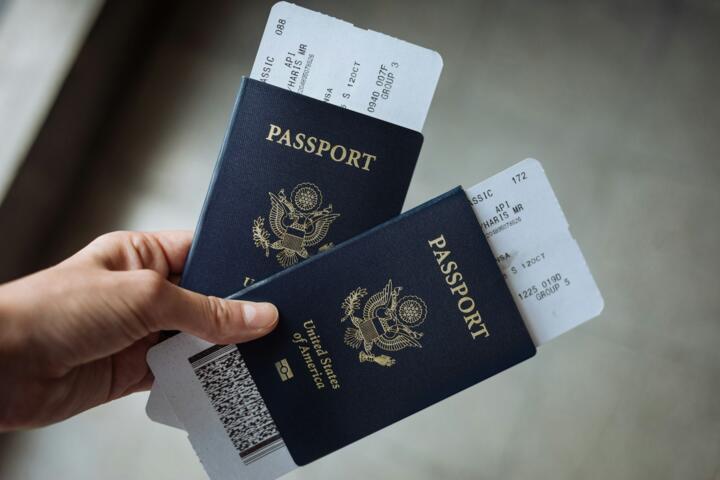
US passport applications are moving online, but trips this winter still run on today's rules. On September 29, 2026, the State Department announced online first-time passport applications and a 2028 redesign, weeks after proposing to open online renewal to Americans abroad. None of that is live yet. This explainer sorts announced plans from rules already in force: who can renew online now and why doing so cancels the old passport, the $130 adult fee and the up-to-10-week mail-in timeline, the Schengen three-month validity test, the sex-at-birth marker policy now that the court injunction against it is gone, and what Global Entry members and returning citizens should do at the border.
Rental deposits used to feel fixed: one month upfront, maybe two, and hope you get the money back later. That setup is starting to change. States across the U.S. have passed tighter rules on security deposit limits, return deadlines, itemized deductions, and mandatory inspections, while some landlords now offer deposit-free alternatives through third-party services. For renters, the new rules can save money upfront - or create new risks if the details get ignored.