The Credit Shift Begins
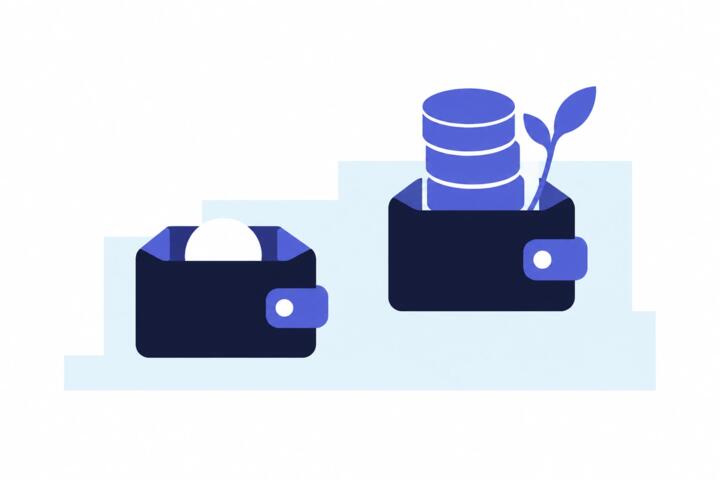
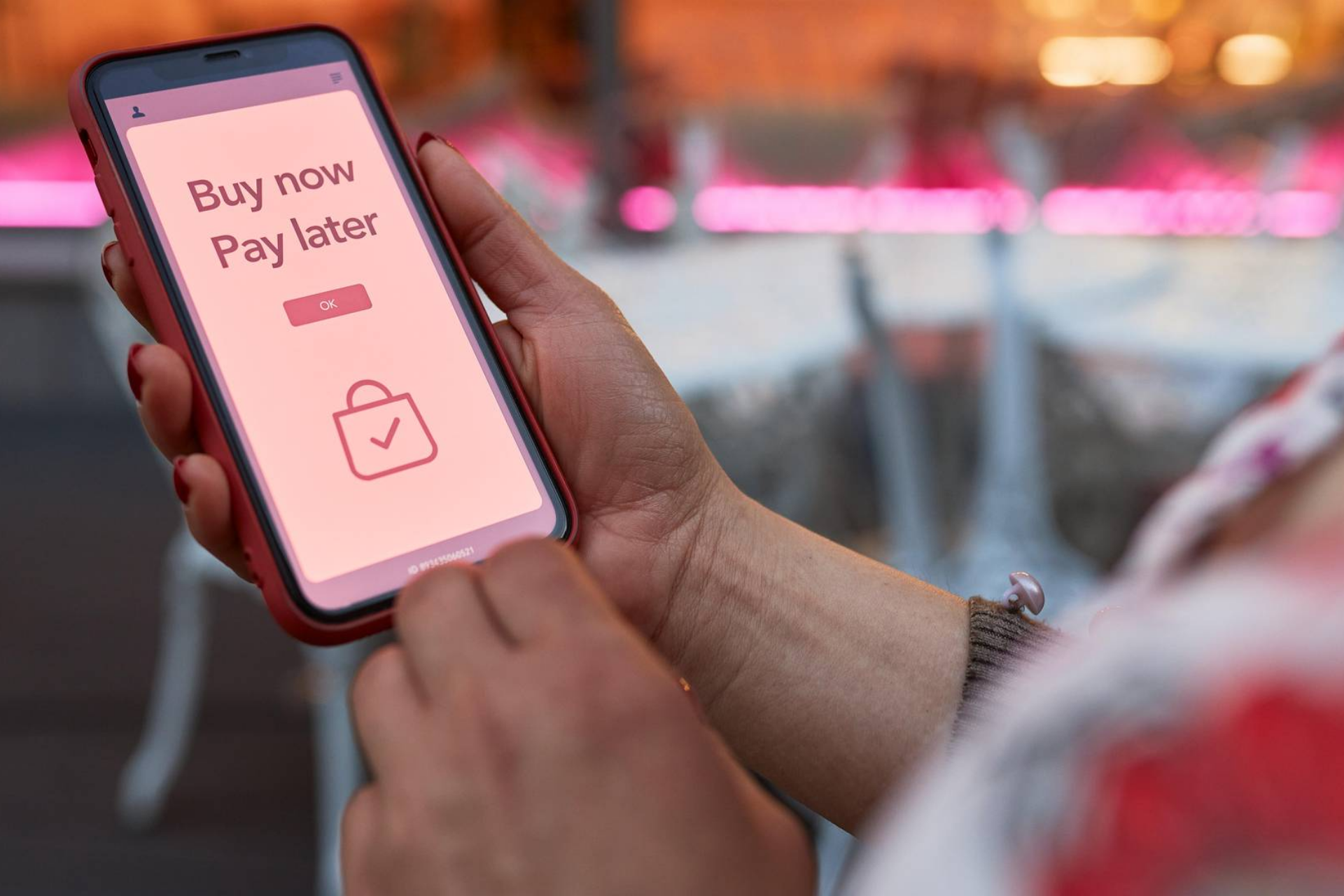
Buy-now-pay-later started as a checkout shortcut. Split $120 into four payments and move on. No interest, no paperwork, no visible debt on traditional reports. That separation is fading.
In the United States, BNPL usage passed roughly 100 million users across platforms in recent years, according to industry estimates from firms like Adobe and McKinsey. The scale is large enough that lenders can no longer ignore it. Data is moving into credit ecosystems through new reporting partnerships and bank integrations.
Stop treating BNPL like invisible credit. It already isn’t. The system is catching up faster than most users realize.
Some lenders now factor installment app behavior into underwriting models. Others ingest it indirectly through bank transaction data. Either way, the gap between “real credit” and “checkout credit” is closing.
Things got tight fast.
This shift does not arrive evenly. Affirm reports some loans to Experian in the U.S., while Afterpay has expanded limited reporting pilots. Klarna has tested reporting frameworks in multiple regions. PayPal Pay Later sits inside a larger credit ecosystem tied to PayPal Credit infrastructure.
Why It Changes Scores
Credit scoring models depend on predictability. FICO and VantageScore systems care about repayment history, utilization, and account mix. BNPL slices into all three.
A single user may hold five active installment plans across different apps. Each looks small, often under $200. Combined exposure can exceed $1,000 without appearing like a traditional loan balance.
That fragmentation creates noise in underwriting systems. Lenders now see repayment behavior across short cycles, sometimes every two weeks instead of monthly.
Skip the old assumption. Small payments still matter.
Some BNPL loans now appear as installment tradelines. Others appear as soft data signals used internally by lenders. The result is uneven credit visibility. Two users with identical spending can show different risk profiles depending on provider reporting policies.
Stop assuming silence equals safety. It doesn’t.
Late BNPL payments can now trigger collections or credit file updates in some cases. That depends on provider, country, and contract structure.
What To Do Now
Track Every BNPL Plan
Start by listing every active installment plan. Klarna, Afterpay, Affirm, and PayPal accounts often sit in separate dashboards. People forget one or two without realizing it.
A typical user may have 3 to 6 active plans at once, especially during retail-heavy months. That creates overlapping due dates and uneven cash flow pressure.
Put everything in one view. Even a basic notes app works.
Check Credit Reporting Status
Not all BNPL providers report to bureaus. Affirm reports some loans to Experian in the U.S. Klarna has expanded reporting in specific regions. Afterpay reporting remains limited but evolving.
This matters because reported accounts affect credit utilization and payment history. Unreported accounts still affect spending capacity but not score calculations directly.
That distinction is shrinking over time.
Some data already flows quietly.
Match BNPL To Budget Cycles
Many users treat BNPL as “future money.” That breaks quickly when multiple payment dates cluster in the same week.
If your paycheck lands twice a month, align installment due dates around those deposits. Misalignment creates overdraft risk and missed payments even when income is stable.
A $75 installment feels small until three hit at once.
Automate Minimum Payments
Late BNPL payments now carry stronger consequences in many contracts. Some providers report delinquencies after 30 days.
Automation reduces missed deadlines caused by app fatigue. Set autopay from a checking account with a buffer, not a zero-balance account.
Automation is not discipline. It replaces it.
Limit Active Installments
Multiple BNPL plans running simultaneously increase mental load and financial fragmentation. Keeping active plans under three reduces overlap risk.
Each additional plan adds another due date cycle. That compounds timing errors across months, not weeks.
Stop stacking purchases. They stack back.
Monitor Credit Reports Monthly
Experian, Equifax, and TransUnion updates now reflect more alternative data inputs than before. BNPL reporting is one of them.
Check reports at least once a month through free services or banking apps. Look for unfamiliar installment accounts or duplicate entries tied to retail purchases.
One missed entry can distort your profile quietly.
Where The Data Goes
Affirm has built direct integrations with credit bureaus, reporting select installment loans as traditional credit lines. That means repayment history can influence score movement over time.
Klarna has tested reporting in partnership programs across Europe and the United States. Afterpay, owned by Block, has been more selective but continues expanding data-sharing frameworks tied to merchant agreements.
PayPal Pay Later operates inside PayPal’s broader credit ecosystem, which already interacts with underwriting systems for PayPal Credit users.
The direction is clear. The wall between checkout financing and formal credit is thinning.
Data flows faster now.
Lenders benefit from richer behavioral signals. Consumers get faster approvals in some cases, but also more visibility into short-term debt habits that previously stayed hidden.
BNPL Vs Credit Cards
| Feature | BNPL | Credit Card | Impact |
|---|---|---|---|
| Reporting | Partial | Full | Score shift |
| Structure | Installments | Revolving | Utilization |
| Visibility | Fragmented | Centralized | Risk view |
| Risk | Hidden debt | Tracked debt | Underwriting |
Where Users Slip
Most problems start with scale. One BNPL purchase feels harmless. Five active plans later, the repayment calendar starts overlapping itself.
Missed payments are often timing issues, not income issues. Money exists, but it sits in the wrong account at the wrong hour.
Stop ignoring BNPL. It already reports. The assumption of invisibility is outdated.
Another issue comes from stacking BNPL with credit cards. That combination inflates spending capacity illusions. Users think they have more room than their cash flow supports.
Late fees accumulate quietly. One missed installment can trigger a chain of penalties across multiple platforms, especially when payment methods fail repeatedly.
It escalates slowly, then all at once.
FAQ
Does BNPL affect credit score?
Yes, in some cases. Providers like Affirm report certain loans to credit bureaus. Even when not directly reported, missed payments can still lead to collections that affect credit profiles.
Which BNPL apps report to bureaus?
Affirm reports select loans to Experian. Klarna has reporting programs in some markets. Afterpay reporting is limited but evolving. Policies vary by region and product type.
Can BNPL improve credit?
Yes, if payments are reported and consistently made on time. Installment history can add positive data to a credit file, similar to traditional loans.
What happens if I miss a BNPL payment?
Late fees apply first, followed by possible account restrictions. After extended delinquency, some providers may send accounts to collections, which can affect credit standing.
Is BNPL safer than credit cards?
Not necessarily. BNPL lacks a single consolidated view, which can increase the risk of overextension. Credit cards centralize spending, making debt easier to track.
Author's Insight
BNPL started as a checkout convenience, but it is now sliding into the same category as traditional lending. The most interesting change is not scoring impact, but visibility. People used to borrow in fragments without seeing the total picture.
That illusion is fading. Once repayment data becomes standardized across providers, behavior that felt invisible will start showing up everywhere...
Summary
Buy-now-pay-later is becoming part of the formal credit system through reporting, underwriting signals, and banking data integration. This shift affects credit scores, borrowing capacity, and repayment behavior visibility.
Track active plans, align payments with income, and treat installment apps as real debt obligations. The system already does.