Retailers no longer wait for holiday weekends to change prices. Airline tickets, sneakers, hotel rooms, electronics, and even groceries now move up and down by the hour as companies react to demand, inventory, weather, and your browsing behavior. That sounds frustrating until you understand the pattern. With the right timing, tools, and a little restraint, shoppers can cut hundreds off annual spending without chasing fake “limited-time” deals all day.
Scam calls used to sound sloppy. Misspelled bank names, robotic voices, fake IRS threats that fell apart after two questions. That version is fading. Modern scammers clone voices, spoof local numbers, reference real purchases, and send text messages that look nearly identical to alerts from Amazon, FedEx, Chase, or Apple. The result is a different kind of fraud problem - one built around timing, familiarity, and panic. Even careful people get caught now.
Fitness watches, phones, rings, and smart shoes now count nearly every step people take. The promise sounds simple: hit 10,000 steps and your health improves. The reality is messier. Research over the last decade shows that walking more does lower health risks, but the benefits do not begin or end at one magic number. For people trying to lose weight, improve heart health, or just survive desk-job stiffness, the data tells a more interesting story than most trackers advertise.
Travel insurance is moving from optional add-on to something travelers actively check before booking flights and hotels. Rising medical costs abroad, stricter visa requirements, and more frequent trip disruptions are changing how people plan travel. This article explains why coverage is getting harder to ignore and what actually matters in a policy. It is written for anyone booking international or expensive trips who does not want surprise costs later.
Water bills used to feel predictable. Then rates started climbing faster than many household budgets. Aging pipes, drought pressure, treatment costs, and stricter environmental rules pushed utilities across the country to raise prices year after year. The good news is that small changes inside a home can shrink water use fast. A few habits, smarter fixtures, and better timing can cut hundreds of dollars from annual utility costs without turning daily life into a camping trip.
A new EU law will make an under-seat bag free on EU departures, but a roller bag can still cost extra. This guide sets out what Regulation (EU) 2026/2202 actually requires from October 2027, why the much-reported free 7 kg cabin bag did not make the final text, and which trips it does not cover, such as British Airways flights from London. It compares carry-on rules at 14 US and European airlines as listed on their own pages in October 2026: sizes in inches and centimeters, weight caps, and which cheapest fares include a full-size bag. It also shows why a US 22-inch roller can fail a European sizer, and works through bag costs for a family of four.
Nearly 70% of US Visa in-store payments are now taps, yet no national cap sets when a tap needs a PIN. Unlike the UK or the EU, the US has no single dollar limit for contactless cards. Visa's rules let US merchants skip verification at any amount, and every tap goes to your bank for approval. So the prompts you see come from your bank's risk checks, the store's terminal settings or a debit PIN preference. The article explains each one, works through an illustrative $120 grocery tap, shows how phone and watch wallets verify you differently, explains how New York's $35 OMNY fare cap counts taps per card or device, and compares labeled limits in the EU, the UK and Canada.
The 2023–2024 appliance standards still stand, but 2026 buyers get no tax credits and fewer federal rebates. The Energy Department proposed in July 2026 to change how future efficiency standards are set, yet the minimums already adopted for gas furnaces, water heaters, refrigerators, washers, dryers, dishwashers and cooktops remain in federal regulations, with start dates from April 2027 to January 2030 tied to when a unit is made; tighter limits for room air conditioners and microwave standby power already apply to units made since mid-2026. A status table shows which rules face legal or rescission challenges, illustrative payback math uses EIA electricity and gas prices, and notes by situation cover water heater and furnace replacements, renters and Bay Area buyers.
Fake reviews used to feel like background noise online. A few suspicious five-star ratings, a vague testimonial, maybe a product photo that looked stolen from another listing. Regulators are starting to treat the problem differently now. New rules from the Federal Trade Commission target paid reviews, hidden incentives, fake followers, and review suppression tactics that shape what shoppers see before they spend money.
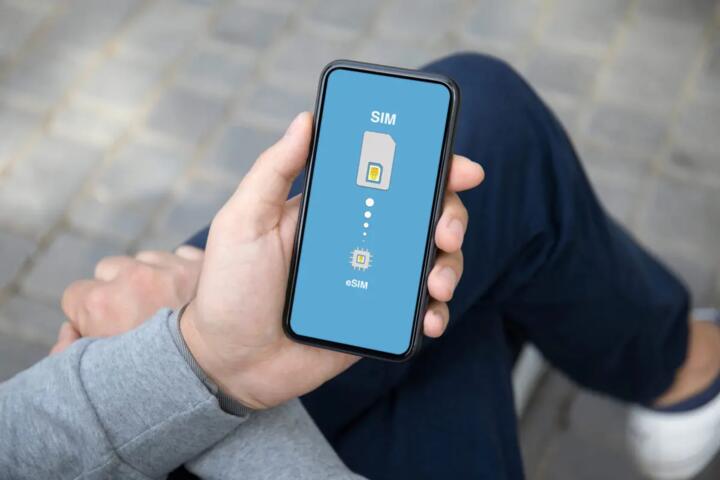
International roaming used to feel like a hidden tax on travel: take one short trip abroad and come home to a phone bill that had crept up by €60 or more without any warning. The arrival of eSIMs changed the equation. Instead of hunting for a plastic SIM card or accepting expensive carrier add-ons, travelers can activate a plan in minutes, often at local data rates. You can choose a network, install the profile, and be connected before the plane even touches down. Compared with that flexibility, traditional roaming now seems slow, costly, and surprisingly inflexible.