New Surface models with an 80 TOPS Snapdragon X2 Plus go on sale October 13 in select markets, and Microsoft backs its "95% faster on-device AI" claim with a benchmark, not with the TOPS number. Here is how to read the figure on any AI laptop spec sheet: what INT8 and sparsity do to it, why Intel's "overall" TOPS adds the CPU and graphics, and why memory bandwidth sets the pace for local chatbots, with a worked 8-billion-parameter example. It also covers the 40 NPU TOPS, 16 GB and 256 GB Copilot+ minimums, which apps actually use the NPU, and the benchmarks worth checking before buying.
Since June 2026, Android has joined Apple's iOS 26 in letting you move passkeys between password managers, so you can now choose whose backup and recovery rules you rely on. Moving them only works while you still hold the device, though. After a loss, your passkeys come back only if they were synced and you can give the provider its secret: an old Apple device passcode, a Google Password Manager PIN or old Android screen lock, a Microsoft Password Manager PIN, or your password manager's sign-in details or recovery key. Some of these allow only 10 tries. A worked example with 20 accounts compares synced passkeys with no backup, and a checklist covers what to set up this week.
Google began rolling out an optional selfie video for sign-in and account recovery on July 23, 2026, and since September 1, 2026, Microsoft's work and school accounts have made passkeys the default. For you, that means getting back into a hacked account now depends less on passwords and text codes and more on what you set up in advance. This guide dates each change, separates Microsoft's open-ended SMS phase-out for personal accounts from its fixed work-account deadlines, and notes that Apple has announced nothing comparable. It also covers what to do if you're locked out now, waits such as Google's 7-day delays, and how to spot a fake recovery page.
Disney+ and Hulu prices rise for existing US subscribers from their first bill on or after October 21, 2026, with Disney+ Premium going to $21.49 a month, and Paramount and Warner Bros. Discovery expect their merger to close on October 6 (still pending as of October 2). Here is what that means for your bill: every major US service at its current price, what the merger, Comcast's Versant spin-off and Hulu's move into the Disney+ app do and don't change for subscribers, how rotating services cut one illustrative bill from about $839 to $408 a year, and why most annual plans only pay off if you keep the service 10 months or longer.
Two federal deadlines in spring 2026 changed what apps and platforms owe families. Since April 22, sites covered by the FTC's updated COPPA Rule have needed a parent's separate consent before sharing a child's data with third parties, and since May 19 platforms have had 48 hours to remove nonconsensual intimate images, including AI-generated fakes, after a valid request. A dated status table sorts the federal bills and state app-store and social-media laws into enforceable, blocked and not yet in effect, with the scope of each court order, then gives the steps for deletion requests, takedowns and complaints to the FTC or a state attorney general.
Desktop Chrome now asks before opening an unencrypted public site you haven't visited recently, and Google's own data puts encrypted page loads at roughly 95 to 99 percent. That makes quiet snooping on airport or hotel Wi-Fi much harder than many warnings suggest, though the NSA still tells its teleworkers to avoid it for banking. The risks that remain are mostly tricks: look-alike networks, fake sign-in pages like those in a 2025 Australian court case, auto-join, open sharing settings and old devices. A table shows what someone on the same network can see on a banking site, a plain HTTP site and a fake portal, and a checklist covers when to use your phone's hotspot or a VPN.
Switching carriers is now a download, but a locked phone or a closed old line can still trap your number. The iPhone 18 Pro went on sale in September 2026 without a SIM tray in the US, following every US iPhone model since the 14 and most of Google's Pixel 10 and 11 lineup. Switching carriers is now a download rather than a card swap, but whether a switch goes smoothly still depends on two older things: whether the phone is unlocked, and whether the number transfer goes through before the old line is closed. This guide covers Verizon's January 2026 unlocking waiver, unlock and transfer-PIN rules at AT&T, T-Mobile and Verizon, iPhone-to-Android eSIM transfers, travel eSIMs and the account locks that block eSIM swap fraud.
Gemini now answers "Hey Google" on Android, Siri AI is in beta, and Windows has a Copilot key for AI chat. Since September 2026, Android phones have been losing Google Assistant to Gemini, while Apple has made its generative Siri AI an opt-in beta and Windows PCs open the Copilot app from a dedicated key. This guide dates each change and sorts the effect by device: who can't switch back, which iPhones, iPads and Macs qualify, where the EU and China are left out, and what Gemini still can't do that Assistant could. It also shows which parts are free and which sit inside Microsoft 365, Google Home Premium or Amazon's $19.99 Alexa+ plan, and the settings for changing or turning off the assistant on Android, Samsung, iPhone and Windows.
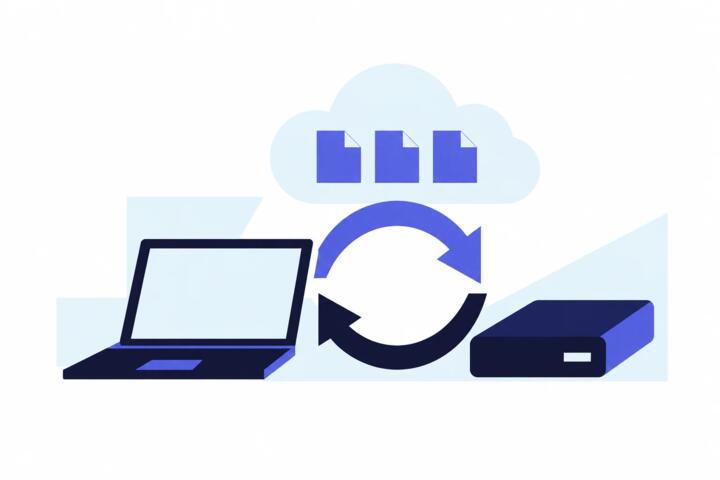
New Microsoft 365 Family plans share 2 TB among six people, and Google now counts all Android backup data. Those two changes, plus the end of Google Drive's desktop-to-Photos backup on August 10 and a one-year extension of free Windows 10 security updates, change how much cloud space your automatic backups need. Here is each change with its date and who it affects, split by iPhone, Android, Windows and Mac users, families and free-tier accounts. A worked example sizes a four-person household at about 1.15 TB and compares 2 TB plans from Apple, Google and Microsoft, including where phone backups actually go. You'll also see why sync isn't a real backup, how long each service lets you undo a deletion, and a 15-minute check to run before your next renewal.
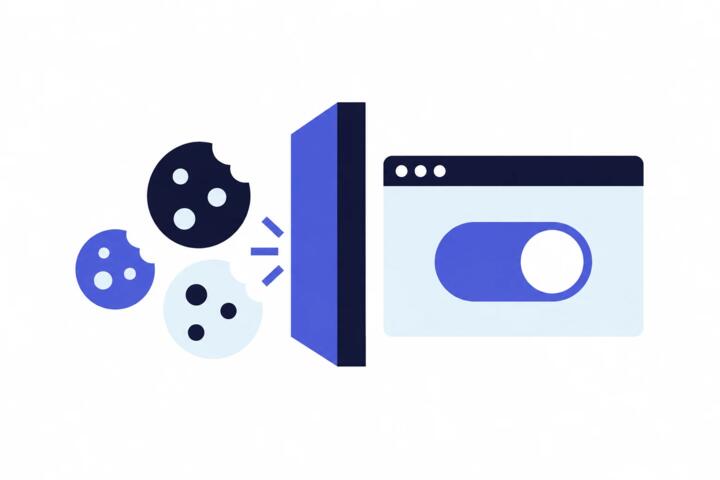
Chrome kept tracking cookies after all, so your browser and its settings now decide how much you are tracked. Google promised in 2020 to phase out third-party cookies in Chrome, delayed the plan three times, dropped it in 2024 and 2025, and in October 2025 retired most of the Privacy Sandbox tools meant to replace them. Safari, Firefox and Brave took a different path years earlier. This explainer sets out where each major browser stands, what still follows you once cookies are blocked (fingerprinting, bounce tracking, disguised first-party trackers and logins), what California's opt-out signal law changes from January 2027, and the exact settings to switch on today.