Stress Got Rebranded
Ten years ago, people talked about stress like a temporary storm. You had a rough month, a hard boss, maybe a financial scare. Then life settled down again. Now stress feels permanent, almost baked into the background noise of adulthood.
The numbers tell part of the story. The American Psychological Association reported in 2024 that more than 75% of adults experienced physical or emotional symptoms tied to stress in the previous month. Sleep problems rose. Anxiety rose. So did the strange normalization around all of it.
People joke about burnout now.
Watch how conversations changed. Someone says they worked through the weekend, skipped lunch three times, answered Slack messages from bed. Nobody reacts like something is wrong. The response is usually recognition. Same here. Me too. Rough week.
Stress also stopped looking dramatic. It rarely arrives with one catastrophic event anymore. Instead it stacks quietly. Notifications. Rent increases. Group chats. Delivery apps. Health insurance claims. A calendar full of tiny obligations that somehow eats 14 hours of a Tuesday.
The brain never fully clocks out. That is new.
Rest Looks Different Now
Rest used to carry a simpler definition. Sleep longer. Take a vacation. Read on the couch. Sit outside after dinner and disappear for an hour.
Now rest became another category of self-improvement. People track REM cycles with watches that cost $349. TikTok fills with “night routines” involving magnesium powders, blue-light glasses, sunrise alarms, red-light masks, sleep supplements, and water bottles large enough to survive a desert crossing.
The wellness market noticed fast. Global wellness spending passed $6 trillion in recent estimates from the Global Wellness Institute. Recovery became an industry instead of a personal instinct.
Some of this helps. Some does not.
Sleep tracking can expose real patterns. Therapy apps lowered barriers for millions of people. Noise-canceling headphones save commuters from sensory overload. But somewhere along the way, rest picked up performance pressure too.
People now wake up and check “sleep scores” before checking how they actually feel.
Why Brains Feel Full
The average person sees thousands of ads each day, bounces between multiple screens, and absorbs more information before lunch than earlier generations handled in days. That overload changes attention spans and emotional recovery.
Short-form content trains the brain oddly. You scroll through war footage, cooking tutorials, celebrity drama, finance advice, and dog videos in under 4 minutes. The nervous system never receives clear signals about what deserves emotional energy.
Everything feels urgent briefly.
Remote work blurred another line. During the pandemic, millions gained flexibility but lost boundaries. Kitchen tables became offices. Phones became conference rooms. Lunch breaks vanished because there was nowhere to “leave” work anymore.
Gallup surveys showed employee engagement dropping sharply after 2020 while reported stress stayed elevated worldwide. That combination matters because chronic stress without recovery usually turns into emotional numbness rather than dramatic collapse.
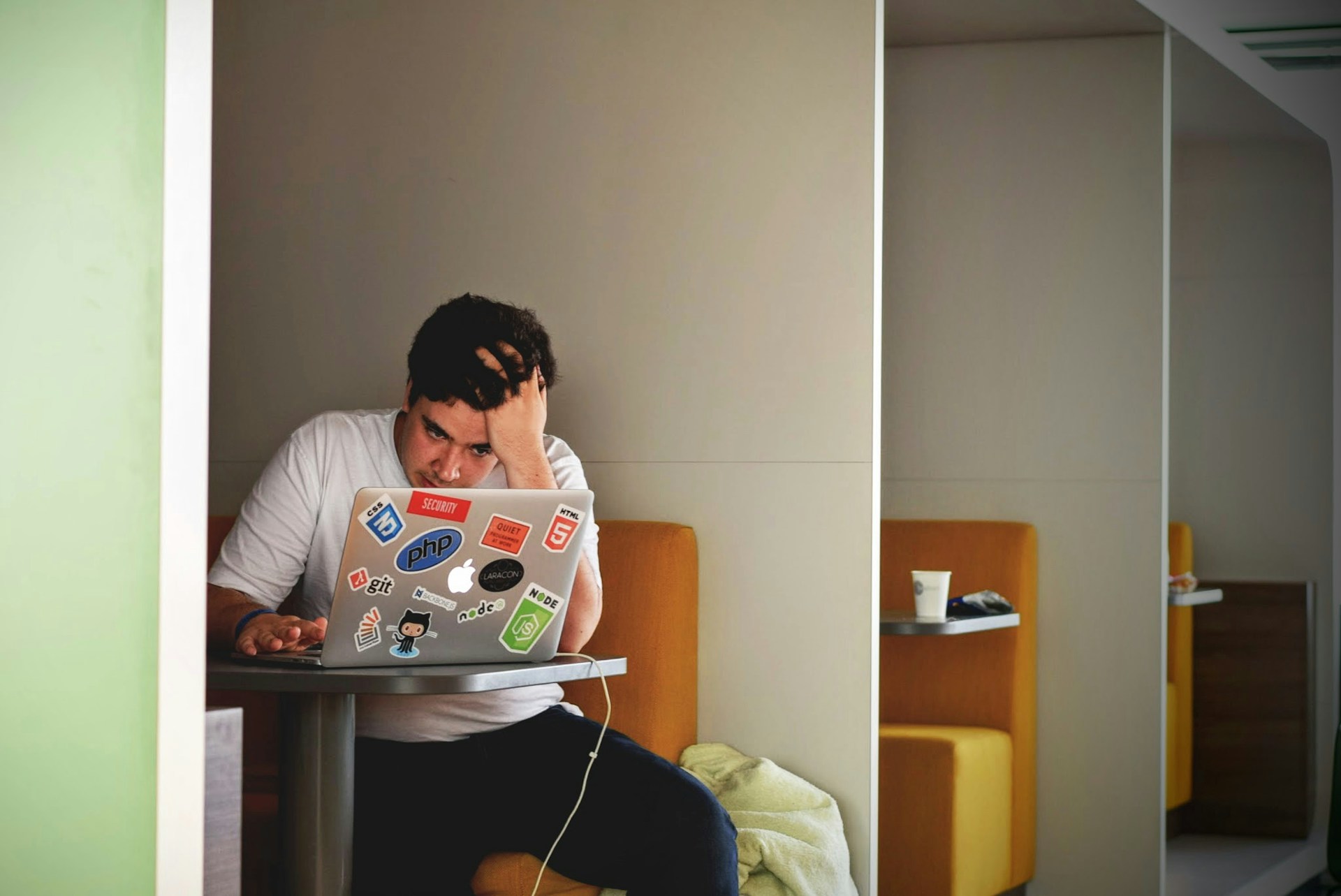
People stop noticing the strain. Until something tiny breaks them. A delayed package. A dentist bill. Somebody chewing too loudly during a Zoom meeting...
How People Adapt
Micro-rest replaced long breaks
Most adults no longer disappear for full weekends the way earlier generations sometimes did. Instead they grab fragments of recovery throughout the day. A 12-minute walk. Music in the car before entering the house. Sitting quietly after work before cooking dinner.
Those moments sound small. Physiologically, they matter. Studies from Stanford and the University of Illinois found short mental breaks improve focus and reduce cognitive fatigue more effectively than pushing through exhaustion for hours.
Stop glorifying endurance. The brain responds better to rhythm than constant pressure.
People protect mornings harder
Mornings became defensive territory. Many workers now avoid email for the first 30 minutes of the day because they realized reactive mornings destroy concentration.
Some leave phones in another room overnight. Others walk before opening apps. Even 15 minutes without notifications changes stress levels noticeably for people already overloaded.
The phone sets the tone.
Quiet became luxury
Noise used to mean traffic or construction. Now it means mental clutter too. Podcasts during showers. Videos while eating. Music during workouts. Notifications layered on top of all of it.
As a reaction, people started paying for silence intentionally. Meditation apps crossed billions in valuation. Hotels advertise “digital detox” rooms. More travelers book cabins and remote stays simply because nobody can reach them easily there.
Silence feels expensive now.
Rest moved into technology
Technology caused part of the exhaustion problem, then tried selling relief from it. Apps like Calm, Headspace, BetterSleep, and Insight Timer exploded during the last 5 years.
Some users genuinely benefit. Guided breathing exercises lower heart rates measurably in under 10 minutes. Sleep meditations help anxious minds slow down at night. But there is also irony in needing another screen to recover from screens.
People feel that contradiction.
Exercise became emotional maintenance
Fitness culture shifted noticeably after 2020. Earlier eras often framed exercise around appearance first. Now many adults describe workouts as stress management before anything cosmetic.
Running clubs grew fast across cities like New York, Chicago, and Austin. Participation in recreational sports leagues increased too. People wanted movement, yes, but also structure, routine, and contact with other humans outside work.
The social part matters.
Sleep gained status
There was a period when bragging about 4 hours of sleep sounded ambitious. Founders, executives, finance workers — exhaustion almost functioned as status signaling.
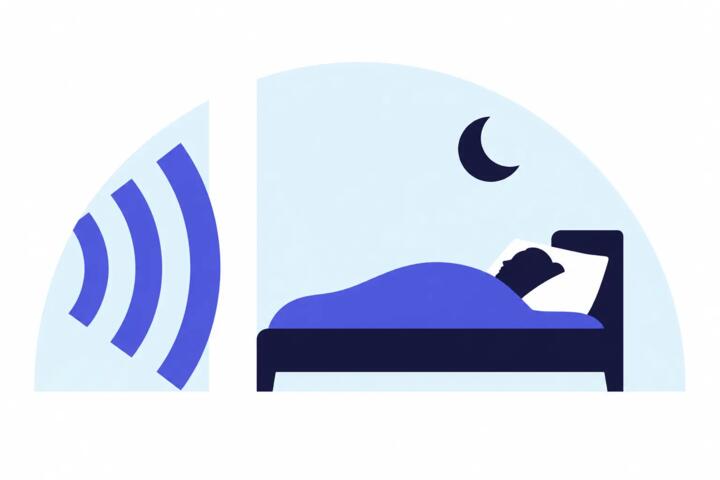
That attitude weakened. Sleep became aspirational instead. Athletes discussed recovery publicly. CEOs started talking about 8-hour routines. Mattresses costing $2,000 suddenly sold as “investments” instead of furniture.
Even caffeine culture shifted slightly. Younger workers still drink coffee constantly, but many also track intake more carefully because overstimulation started feeling unsustainable around age 30 or so...
People stopped chasing perfect balance
Work-life balance once sounded like a clean equation. Equal time. Equal energy. Perfect separation. Most adults eventually realized life does not cooperate that neatly.
Now the goal sounds more realistic. Fewer draining habits. Better recovery after hard periods. Less guilt during downtime. More awareness around what actually restores energy versus what merely distracts from exhaustion for 45 minutes.
That distinction changes decisions.
What The Data Shows
One visible shift appeared in workplace policies. Companies that once treated burnout like a personal weakness started offering mental health stipends, therapy access, meeting-free Fridays, and expanded paid leave.
Microsoft’s internal workplace research found employees were spending up to 57% of their work time inside meetings, email, or chat systems by 2023. Deep focus became harder to protect. Recovery suffered alongside it.
Another example came from sleep behavior. Sales of wearable trackers from Apple, Garmin, Fitbit, and Oura climbed steadily as people became obsessed with recovery metrics. Oura alone reportedly surpassed 1 million ring sales within a few years.
The tracking changed behavior.
Users adjusted bedtime routines, caffeine habits, alcohol intake, and exercise timing after seeing sleep data attached to daily performance. Some became healthier. Others became anxious about optimizing recovery perfectly, which created its own strange stress loop.
What Still Goes Wrong
People confuse distraction with rest constantly. Scrolling for 2 hours while mentally overstimulated does not calm the nervous system much, even if the body stays still.
Another mistake involves treating burnout as a personal productivity problem instead of an environmental one. Someone downloads meditation apps, buys supplements, reorganizes calendars — then continues working 70-hour weeks with no boundaries.
The math never changes.
There is also pressure to “earn” rest now. Many adults feel guilty relaxing unless they completed every task first, which means recovery keeps getting postponed indefinitely.
Watch how people talk about weekends. Productive weekends. Efficient weekends. Reset weekends. Even downtime became measured through output language.
That mindset drains people quietly.
FAQ
Why do people feel more stressed now?
Many adults face constant digital stimulation, blurred work boundaries, rising living costs, and nonstop information exposure. Stress became less episodic and more continuous.
Has social media changed how people rest?
Yes. Social platforms encourage constant comparison and shorten attention spans. Many people also consume content during moments that previously involved quiet recovery.
Are sleep trackers actually useful?
They can reveal helpful patterns around sleep quality, caffeine use, and recovery habits. Problems start when users become obsessive about scores instead of paying attention to physical feelings.
Why does burnout feel normal now?
Work culture changed after smartphones and remote work expanded. Many employees remain reachable nearly all day, so exhaustion became normalized instead of treated as a warning sign.
What kind of rest actually helps?
Recovery usually works best when it lowers stimulation instead of adding more. Sleep, movement, silence, social connection, and time away from notifications tend to help more than endless passive scrolling.
Author's Insight
I notice the shift most when people describe exhaustion casually now. Ten years ago, someone saying they had not relaxed in months sounded alarming. Today it sounds ordinary.
I also think many people underestimate how much constant stimulation changes the body over time. Not dramatically at first. Just small things. Worse sleep. Less patience. The inability to sit quietly for even 6 minutes without reaching for a phone.
The people I know who handle stress best usually do something simple: they protect small moments consistently instead of waiting for perfect vacations twice a year.
Summary
Stress changed from an occasional disruption into a near-constant background condition for many adults. Rest changed too, shifting from simple recovery into something measured, optimized, and commercialized.
People are adapting through smaller breaks, stronger boundaries, movement, sleep awareness, and quieter routines. The biggest difference may be psychological. More people finally recognize that exhaustion is not proof of ambition. Sometimes it is just overload.