New Surface models with an 80 TOPS Snapdragon X2 Plus go on sale October 13 in select markets, and Microsoft backs its "95% faster on-device AI" claim with a benchmark, not with the TOPS number. Here is how to read the figure on any AI laptop spec sheet: what INT8 and sparsity do to it, why Intel's "overall" TOPS adds the CPU and graphics, and why memory bandwidth sets the pace for local chatbots, with a worked 8-billion-parameter example. It also covers the 40 NPU TOPS, 16 GB and 256 GB Copilot+ minimums, which apps actually use the NPU, and the benchmarks worth checking before buying.
A correct password no longer proves it is you signing in, so banks also score the device, the network, the phone number, the way you type and where the money goes. Drawing on the FFIEC's authentication guidance and the Federal Reserve's 2026 account takeover toolkit, this piece walks through seven signals bank fraud systems use, from unrecognized devices and impossible travel to a new payee right after an email change. It explains why travel, VPNs, new phones and caregivers set off the same flags, works through a hypothetical San Francisco-to-New York login, and ends with a checklist for the next time a bank stops a sign-in.
Scammers now send fake bank fraud alerts and flood inboxes to hide real ones, so the alerts on your own card account need a second look. This guide covers three settings the big issuers offer in their apps: a purchase alert set to $0 or the lowest amount allowed, since Visa says card-testing charges are often under $10; alerts for online, phone and foreign charges; and security alerts for changes to your contact details, sign-ins and digital wallets, moved off email-only delivery. It sets out debit and credit liability rules with their deadlines, works through a stolen-card case where a quick report keeps the loss to $40 instead of $500, and shows how to check whether an alert is real.
A home battery sold as 13.5 kWh does not put 13.5 kWh into your house. With the federal 30% residential credit gone for batteries installed after December 31, 2025, and EIA projecting an average residential price of 18.2 cents per kWh for 2026, the gap between the brochure number and the energy you can actually use matters more. This piece separates rated, usable and deliverable energy, explains reserve settings, round-trip efficiency, kW limits, heat and cold, and how warranties count fade, then works one illustrative battery through an outage: about 49 hours of essential loads when new, about 34 hours at 70% capacity in year 10.
Most subscription trouble comes down to one missed date, and it is usually not the renewal date on the receipt. This guide sets out the dates a subscription runs on: the cancellation deadline in your terms, the reminder windows that California, New York State, New York City, Minnesota, Virginia, Colorado and Illinois require, price-change notice periods, Apple's and Google's early billing, and the 60-day clocks for disputing a card or debit charge. An illustrative 60-day free trial that turns into a monthly plan is dated step by step, from sign-up to the last day to dispute, and the guide ends with a list of calendar reminders worth setting.
In July 2026 a New York judge refused to throw out the state's fraud lawsuit against Zelle's operator, and by June Nacha's ACH fraud-monitoring rules covered every bank on that network. Neither one changes the basic US rule. Regulation E covers transfers someone else makes from your account, including with a login or code tricked out of you, but generally not a payment a scammer talked you into sending yourself. This page explains FedNow, RTP and Zelle and their 2026 limits, five places where fraud controls fail, and a hypothetical minute-by-minute scam showing what each protection would pay back. It ends with a reporting checklist built around the two-business-day and 60-day deadlines.
Paying your card in full does not stop a high balance from reaching your credit report, and limits can be cut. The national average FICO Score sat at 714 in FICO's August 2026 report, but averages hide the people whose scores fell for reasons they never saw coming. This explainer shows why a card paid in full can still report a high share of its limit, what card issuers must and need not tell you when they cut a limit, how resumed student loan delinquency reporting has hit borrowers, where medical collections stand after the CFPB rule was struck down, and how to check reports and dispute errors before a mortgage or car loan application.
Nearly 70% of US Visa in-store payments are now taps, yet no national cap sets when a tap needs a PIN. Unlike the UK or the EU, the US has no single dollar limit for contactless cards. Visa's rules let US merchants skip verification at any amount, and every tap goes to your bank for approval. So the prompts you see come from your bank's risk checks, the store's terminal settings or a debit PIN preference. The article explains each one, works through an illustrative $120 grocery tap, shows how phone and watch wallets verify you differently, explains how New York's $35 OMNY fare cap counts taps per card or device, and compares labeled limits in the EU, the UK and Canada.
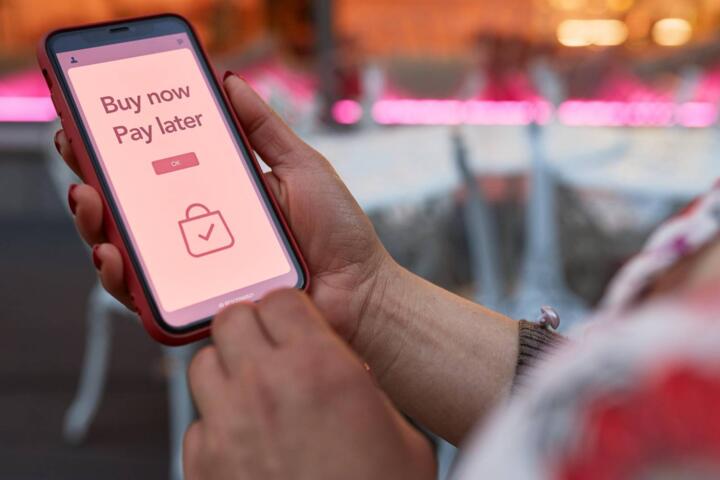
Buy-now-pay-later services like Klarna, Afterpay, Affirm, and PayPal Pay Later are no longer sitting outside the credit system. Lenders and bureaus are pulling them in, turning split payments into reportable debt behavior. That shift changes how approvals, credit scores, and borrowing limits work for millions of users. If you rely on short-term installment plans at checkout, your financial profile may already look different than you expect.
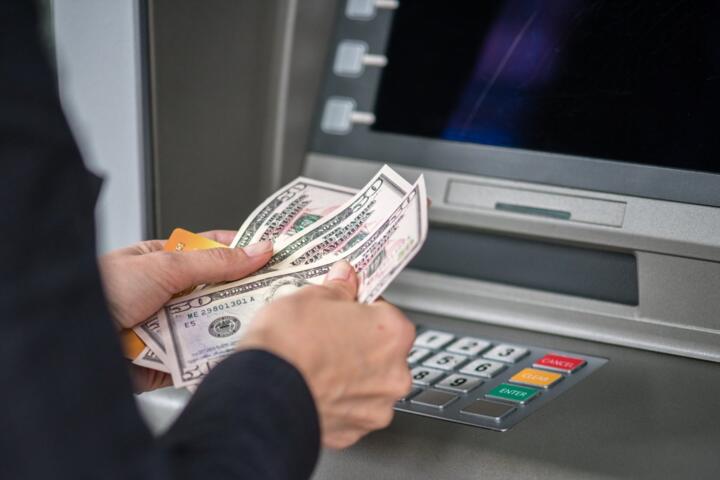
ATM fees have gotten expensive enough to feel like a penalty for needing your own cash. If you’ve ever grabbed money in a hurry and then noticed an extra charge (or two) afterward, this guide is for you. We’ll explain how ATM fees are actually built - what your bank charges, what the ATM owner adds, and when those costs stack up. You’ll see the most common slip-ups that trigger fees and the simple habits that prevent them. From choosing accounts that reimburse charges to timing withdrawals and using in-network machines, you’ll walk away with practical, proven ways to keep more of your money where it belongs: with you.
A $3.99 early-pay fee can equal a 208% APR, yet apps repaid through payroll don't have to show you that rate. Since December 2025, the CFPB has said earned wage access that meets four conditions, including repayment through a payroll deduction rather than a bank debit, is not credit under federal lending law. In September 2026 a House committee sent the full House a bill that would exempt early pay from the Truth in Lending Act altogether. This explainer covers how employer-integrated and direct-to-consumer apps differ, how to turn a flat fee into an annual rate, which states cap fees, require a free option or ban tips, what New York alleged against two providers, and the questions to put to HR before your first draw.
Some states are tightening payday loan caps as federal enforcement eases, so your state sets your protection. Rhode Island's 36% APR cap takes effect January 1, 2027, but the CFPB has stepped back from enforcing its own payday rule and has listed it for reconsideration, so protection now depends mostly on where you live and who your lender is. This explainer sets out what tightened and what loosened since 2020, with dates, and compares Illinois, Colorado, Minnesota, Rhode Island and Florida. It recomputes what a $400 loan costs when rolled over four times ($300 in fees, $400 still owed), compares it with a credit union payday alternative loan, and walks through stopping automatic withdrawals under federal rules.
Missing packages used to end with a shrug and a customer service loop. Now carriers, retailers, and payment companies face tighter pressure around refunds, delivery proof, and dispute handling. If you shop online even a few times a month, the new rules change how quickly you can recover money, who carries responsibility, and what evidence actually matters when a box disappears between a warehouse scan and your front porch.
Retailers learned something uncomfortable during the pandemic: people buy faster when they think products might disappear. Since then, “limited stock” warnings have spread across fashion sites, airline apps, hotel bookings, food delivery platforms, and even digital subscriptions. Some alerts reflect real inventory pressure. Others are carefully tuned psychological nudges designed to speed up decisions before shoppers stop to compare prices, read reviews, or simply walk away.
Fake reviews used to feel like background noise online. A few suspicious five-star ratings, a vague testimonial, maybe a product photo that looked stolen from another listing. Regulators are starting to treat the problem differently now. New rules from the Federal Trade Commission target paid reviews, hidden incentives, fake followers, and review suppression tactics that shape what shoppers see before they spend money.
Retailers no longer wait for holiday weekends to change prices. Airline tickets, sneakers, hotel rooms, electronics, and even groceries now move up and down by the hour as companies react to demand, inventory, weather, and your browsing behavior. That sounds frustrating until you understand the pattern. With the right timing, tools, and a little restraint, shoppers can cut hundreds off annual spending without chasing fake “limited-time” deals all day.
Retailers trained shoppers to expect free returns for almost two decades. Order three sizes, keep one, send the rest back - no penalty attached. That habit is colliding with higher shipping costs, tighter retail margins, and mountains of returned inventory. Stores are starting to charge return fees, shorten return windows, and block repeat returners. If you shop online more than a few times a month, the new rules will hit your wallet faster than you think.
Product warranties are shrinking across electronics and appliances. Many brands now offer just 12-month coverage, while repair costs often exceed the item's depreciated value. This shift leaves buyers vulnerable as return windows tighten and service fees climb. Consequently, understanding warranty terms has become an essential buying skill rather than just fine print trivia. Knowing your rights is now key to protecting your purchases.
Homeowners across the United States are opening renewal letters and finding premium increases that look unreal. In some states, policies jumped 20% to 40% in a single year. Others lost coverage entirely after insurers pulled out of risky markets in Florida, California, and Louisiana. The problem reaches beyond hurricanes and wildfires. Rebuilding costs, climate disasters, lawsuits, and reinsurance markets are all pushing prices upward at the same time - and many homeowners still do not understand how exposed they are.
The 2023–2024 appliance standards still stand, but 2026 buyers get no tax credits and fewer federal rebates. The Energy Department proposed in July 2026 to change how future efficiency standards are set, yet the minimums already adopted for gas furnaces, water heaters, refrigerators, washers, dryers, dishwashers and cooktops remain in federal regulations, with start dates from April 2027 to January 2030 tied to when a unit is made; tighter limits for room air conditioners and microwave standby power already apply to units made since mid-2026. A status table shows which rules face legal or rescission challenges, illustrative payback math uses EIA electricity and gas prices, and notes by situation cover water heater and furnace replacements, renters and Bay Area buyers.
Water bills used to feel predictable. Then rates started climbing faster than many household budgets. Aging pipes, drought pressure, treatment costs, and stricter environmental rules pushed utilities across the country to raise prices year after year. The good news is that small changes inside a home can shrink water use fast. A few habits, smarter fixtures, and better timing can cut hundreds of dollars from annual utility costs without turning daily life into a camping trip.
Rental deposits used to feel fixed: one month upfront, maybe two, and hope you get the money back later. That setup is starting to change. States across the U.S. have passed tighter rules on security deposit limits, return deadlines, itemized deductions, and mandatory inspections, while some landlords now offer deposit-free alternatives through third-party services. For renters, the new rules can save money upfront - or create new risks if the details get ignored.
Austin now makes larger landlords list every rental fee up front, joining a short list of states and cities. Since October 1, 2026, Austin housing providers with 50 or more units must give an itemized list of mandatory, optional and estimated utility fees before quoting rent or taking an application. Colorado, Connecticut and New York City already require rent to be shown with mandatory fees or itemized before signing, while California's rental-specific bill died in February 2026 and federal action is still at the comment stage. This explainer sorts the changes by where you rent, covers flood-history notices in Texas, New York and New Jersey, California's deposit and screening rules, and ends with a checklist of what to ask for before you sign.
Heating homes during winter months has become notably more expensive, affecting household budgets across regions with cold climates. This article explores why heating costs have surged, common misconceptions about energy use, and practical ways homeowners and renters can reduce their bills. It offers data from recent energy price trends and real examples to help readers manage winter heating more effectively.
Desk back pain is common, but sitting has not been shown to cause it, and new pain mostly eases in weeks. Here is what helps and when to get checked. A JAMA review published in June 2026 puts staying active, carrying on with usual activities including work, and simple self-care such as heat first, and guidelines reserve scans for warning signs. The piece sets out why low back pain is so widespread (619 million people worldwide in 2020), why research has not shown that office sitting causes it, how ACP, NICE (updated July 2026) and WHO advice compares in one table, what the WalkBack walking trial found about preventing a relapse, how to set up a chair using OSHA's checklist, and which symptoms need same-day care.
Fitness watches, phones, rings, and smart shoes now count nearly every step people take. The promise sounds simple: hit 10,000 steps and your health improves. The reality is messier. Research over the last decade shows that walking more does lower health risks, but the benefits do not begin or end at one magic number. For people trying to lose weight, improve heart health, or just survive desk-job stiffness, the data tells a more interesting story than most trackers advertise.
Stress used to look dramatic. Burnout meant breakdowns, missed work, maybe a doctor telling you to slow down. Now it looks ordinary. People answer emails at 10:43 p.m., scroll through “relaxing” videos while half-working, and call exhaustion productivity. Rest changed too. It stopped meaning recovery and started meaning optimization, tracking, routines, supplements, sleep scores. The shift happened quietly, then all at once.
Most people blame laziness for the 2 p.m. crash. Sleep researchers and nutrition experts see something else: blood sugar swings, poor meal timing, dehydration, and nervous-system overload from nonstop screen time. New guidance around caffeine, protein intake, movement, and light exposure is changing how doctors talk about daytime fatigue. If your afternoons disappear into brain fog, cravings, or another cup of coffee that barely works anymore, the newer advice looks a lot different from the old “just sleep more” routine.
Two medical groups now say to power down before bed and charge the phone outside the bedroom. In January 2026 the American Academy of Pediatrics told families to keep screens off for the hour before bed and devices out of bedrooms, and in February the American Academy of Sleep Medicine gave adults similar advice alongside a survey in which half of US adults said they use a screen in bed every day. Here is that advice beside the evidence: a lab study where hours of tablet reading delayed falling asleep by about 10 minutes, a trial where Night Shift made no difference, and studies tying in-bed screen time to shorter sleep, split by reader situation and ending with a plan for tonight.
Understanding what constitutes a balanced plate has shifted dramatically in recent years. This article explores how nutritional guidelines, food culture, and scientific insights have reshaped perceptions about portioning, food groups, and dietary quality. With practical examples and evidence-based recommendations, it helps readers rethink their approach to meal planning to improve health outcomes.
Phones do not die all at once anymore. First the security patches stop, then banking apps complain, then the battery drains faster after every update you can still install. Millions of Android and iPhone owners are using devices that no longer receive software support from Apple, Samsung, Google, or Motorola. If your old phone is approaching that line, you still have options - and some are cheaper than replacing the device immediately.
AI chatbots moved from novelty to daily habit in less than 3 years. Students use them to study, small businesses draft emails with them, and customer service departments quietly replaced parts of their support teams with automated assistants. The hype gets loud fast, though, and many people still do not understand what these systems actually do, where they fail, or why companies are pouring billions into them. This guide breaks down the real uses, the limits, and the tradeoffs behind the chatbot boom.
5G arrived with giant promises: self-driving cars, remote surgery, cities packed with smart sensors. Regular phone users got something less cinematic. Faster downloads, steadier video calls, lower lag in crowded places, and a quiet shift in how people use mobile internet every day. The changes are real, though uneven. Some people barely noticed 5G at all. Others stopped thinking about Wi-Fi outside the house.
Scam calls used to sound sloppy. Misspelled bank names, robotic voices, fake IRS threats that fell apart after two questions. That version is fading. Modern scammers clone voices, spoof local numbers, reference real purchases, and send text messages that look nearly identical to alerts from Amazon, FedEx, Chase, or Apple. The result is a different kind of fraud problem - one built around timing, familiarity, and panic. Even careful people get caught now.
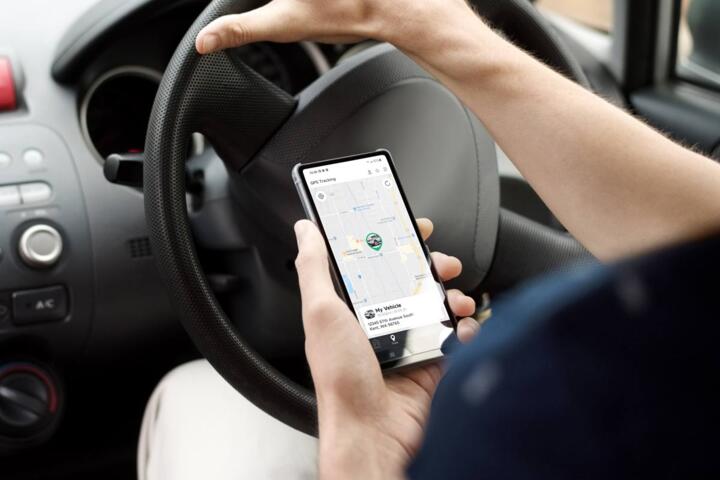
Your phone has tracked you for years through weather apps, shopping apps, games, and ad networks most people never notice. Now the rules around location access are shifting after lawsuits, Apple and Google policy changes, and pressure from regulators in the U.S. and Europe. The result sounds good on paper, but it also created new loopholes, murkier permissions, and more confusion for everyday users. If you carry a smartphone - which means almost everyone - the way apps collect and sell your movements just changed in ways you can actually control.
Buying software isn’t as simple as it used to be. Instead of paying once and owning a version forever, more products now come as monthly or yearly subscriptions - and that change affects everything from budgeting to long-term control. This article breaks down how subscription plans compare with traditional perpetual licenses, including hidden costs, update and support expectations, and what happens if you stop paying. You’ll also get practical guidance to help you choose the model that fits your needs, whether you’re an individual user or managing tools for a team.
Flight cancellations now feel less chaotic for passengers inside the EU, yet confusion still shows up at the airport desk. Under EU Regulation 261/2004 and updated enforcement practices, travelers departing from or arriving in the EU can claim refunds or compensation in many cancellation cases. A short-haul disruption can trigger €250 payouts, while long-haul routes may reach €600. Knowing timing rules, documentation steps, and airline obligations changes how fast you recover money and rebook.
International roaming used to feel like a hidden tax on travel: take one short trip abroad and come home to a phone bill that had crept up by €60 or more without any warning. The arrival of eSIMs changed the equation. Instead of hunting for a plastic SIM card or accepting expensive carrier add-ons, travelers can activate a plan in minutes, often at local data rates. You can choose a network, install the profile, and be connected before the plane even touches down. Compared with that flexibility, traditional roaming now seems slow, costly, and surprisingly inflexible.
A new EU law will make an under-seat bag free on EU departures, but a roller bag can still cost extra. This guide sets out what Regulation (EU) 2026/2202 actually requires from October 2027, why the much-reported free 7 kg cabin bag did not make the final text, and which trips it does not cover, such as British Airways flights from London. It compares carry-on rules at 14 US and European airlines as listed on their own pages in October 2026: sizes in inches and centimeters, weight caps, and which cheapest fares include a full-size bag. It also shows why a US 22-inch roller can fail a European sizer, and works through bag costs for a family of four.
Travel insurance is moving from optional add-on to something travelers actively check before booking flights and hotels. Rising medical costs abroad, stricter visa requirements, and more frequent trip disruptions are changing how people plan travel. This article explains why coverage is getting harder to ignore and what actually matters in a policy. It is written for anyone booking international or expensive trips who does not want surprise costs later.
US passport applications are moving online, but trips this winter still run on today's rules. On September 29, 2026, the State Department announced online first-time passport applications and a 2028 redesign, weeks after proposing to open online renewal to Americans abroad. None of that is live yet. This explainer sorts announced plans from rules already in force: who can renew online now and why doing so cancels the old passport, the $130 adult fee and the up-to-10-week mail-in timeline, the Schengen three-month validity test, the sex-at-birth marker policy now that the court injunction against it is gone, and what Global Entry members and returning citizens should do at the border.
Flight delay compensation has changed noticeably in recent years. Where airlines used to steer travelers toward vouchers, complicated paperwork, and drawn-out complaint processes, newer regulations in the EU and the United States are increasingly pressuring carriers to provide cash refunds for major delays and cancellations. For frequent flyers, this shift can make a real difference: even a couple of disrupted trips each year may now result in money back rather than restrictive travel credits that expire or go unused.
Every story raises the same question — what does this mean for me? On our Facebook page, readers work through the answers together, sharing how the news actually plays out in real life.