Why Afternoons Fall Apart
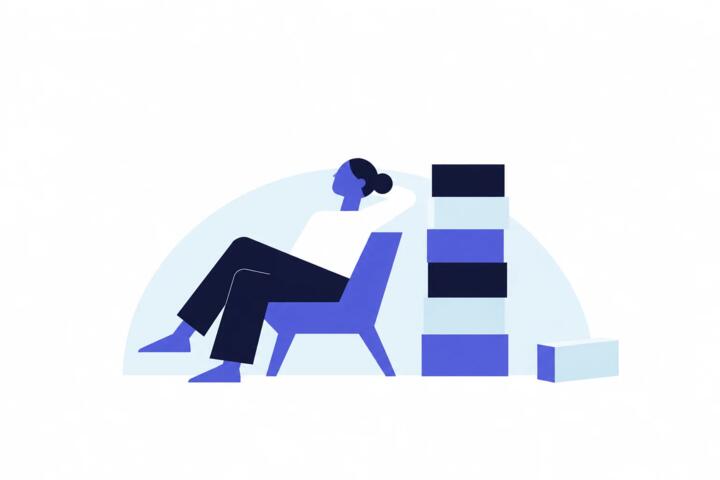
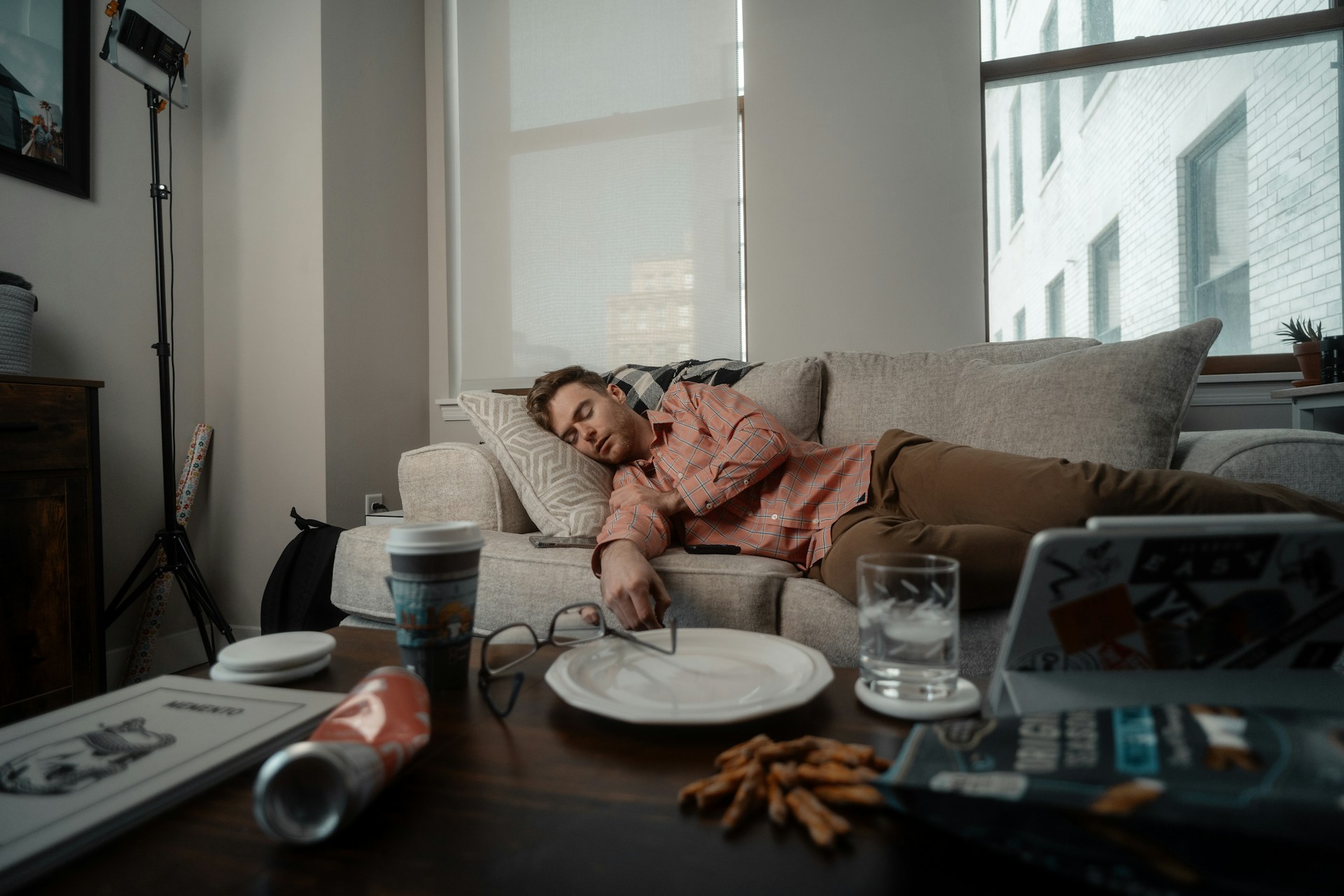
Almost everybody knows the feeling. You finish lunch, answer three emails, then suddenly your brain feels wrapped in wet cardboard. Productivity drops. Patience disappears. Around 1 p.m. to 4 p.m., energy crashes hit millions of workers every day.
Researchers used to frame this mostly as a sleep issue. Sleep still matters, obviously. But newer guidance from groups like the American Academy of Sleep Medicine and nutrition researchers points toward a wider mix of causes: unstable glucose levels, overstimulation, indoor lighting, meal composition, and sedentary routines that flatten alertness hour by hour.
The timing is not random.
Your circadian rhythm naturally dips in the afternoon, even after a full night of sleep. Studies have shown a measurable decline in alertness during midafternoon hours, usually about 7 to 9 hours after waking. Add a heavy lunch or poor hydration, and the dip turns into a wall.
Office workers often make it worse without noticing. Coffee at 4 p.m. delays sleep. Sleep debt builds. The next afternoon crash hits harder. Then more caffeine enters the system the following day...
What People Get Wrong
A lot of energy advice still sounds trapped in 2009 wellness culture. Drink another latte. Buy supplements with metallic packaging. Push harder through fatigue as if your nervous system works like a stubborn lawn mower.
That approach backfires fast.
One common mistake is eating lunches built almost entirely around refined carbohydrates. Pasta, chips, sweetened drinks, and white bread spike glucose levels quickly. Then insulin pulls blood sugar back down just as fast. The crash afterward feels physical because it is physical.
Another issue sits right on the desk: constant digital switching. Slack notifications, email tabs, short-form video clips during breaks, message previews lighting up every 90 seconds. Your brain never fully settles into one state long enough to recover attention reserves.
People also underestimate dehydration. Research from the University of Connecticut found that even mild dehydration affected mood, concentration, and fatigue levels. You do not need to be stranded in the desert. A couple glasses short by midafternoon can shift how you feel.
Tiny deficits stack up.
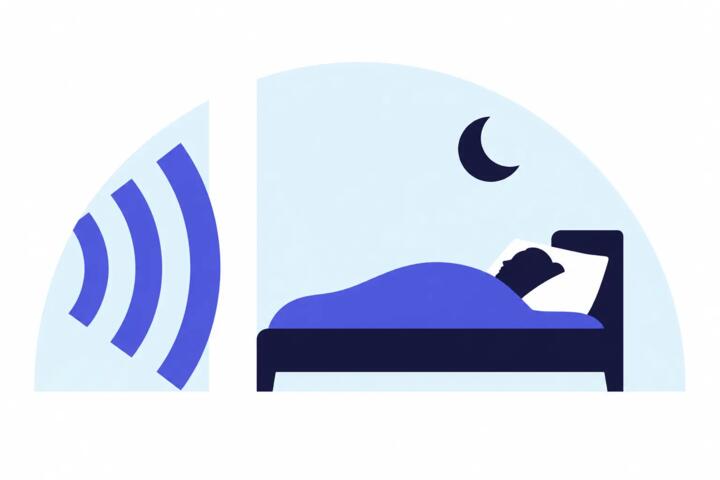
Then there is the sleep misconception. Eight hours in bed does not automatically mean eight hours of quality sleep. Alcohol fragments deep sleep. Late-night scrolling delays melatonin release. Some people technically sleep long enough while still waking up exhausted every morning.
What New Guidance Suggests
Front-load protein earlier
Nutrition guidance shifted noticeably during the last few years. Many dietitians now recommend spreading protein intake throughout the day instead of cramming most of it into dinner.
A breakfast with 25 to 35 grams of protein stabilizes energy better than coffee and a pastry. Greek yogurt, eggs, cottage cheese, protein oats, or tofu scrambles digest more slowly and reduce glucose volatility later in the day.
The difference shows up by 2 p.m.
Researchers studying satiety and blood sugar responses have repeatedly found that higher-protein breakfasts reduce afternoon cravings and improve sustained alertness.
Stop chasing caffeine late
Newer sleep guidance has become far less forgiving about afternoon caffeine. The half-life of caffeine averages roughly 5 to 6 hours in healthy adults. A large iced coffee at 3 p.m. may still affect sleep after 9 p.m.
People swear they “sleep fine” after late caffeine. Then wearable sleep trackers show reduced deep sleep and more nighttime awakenings.
Skip the second energy drink. It often borrows alertness from tomorrow morning.
Walk after lunch
Short walks work better than most people expect. A 10-minute walk after meals improves glucose regulation and boosts alertness without overstimulating the nervous system.
The effect is partly metabolic and partly neurological. Movement increases circulation and interrupts the sluggishness that builds during long seated stretches. You do not need a gym session. Around the block counts.
Consistency matters more.
Eat lunches with slower carbs
New dietary recommendations increasingly focus on glycemic stability instead of calorie obsession alone. Lunches with fiber, fat, and protein digest more gradually and avoid sharp spikes followed by crashes.
Rice bowls with vegetables and salmon work better than oversized fast-food combos. Lentils, quinoa, chicken, olive oil, avocado, beans — meals like these create slower energy curves over several hours.
The old “light lunch” advice missed the point a little. Many people were simply under-eating protein and over-eating refined carbs.
Use light on purpose
Indoor lighting confuses the brain more than people realize. Many office environments sit below 500 lux of light exposure, while outdoor daylight often exceeds 10,000 lux.
Morning sunlight anchors circadian timing. Afternoon brightness helps maintain alertness. Sleep specialists now regularly recommend outdoor exposure within the first hour after waking, even for 10 minutes.
Dim rooms drain energy fast.
Reduce screen fragmentation
The human brain handles context switching badly. Researchers at the University of California Irvine found that interruptions increase stress markers and reduce sustained focus.
People try to recover from fatigue by checking social apps during breaks. That usually creates more cognitive fragmentation instead. The brain receives stimulation without actual recovery.
Close the extra tabs. Silence notifications for 30 minutes. Sometimes the crash is less about exhaustion and more about overload.
Watch hidden sleep disruptors
Alcohol, late workouts, overheated bedrooms, and bright phone screens all interfere with sleep quality even when total sleep duration looks decent on paper.
One glass of wine near bedtime may reduce sleep latency at first, then fragment the second half of the night. Heavy meals after 9 p.m. create similar problems for some people.
The body keeps score.
Check iron and glucose levels
Persistent afternoon fatigue deserves medical attention if lifestyle changes do not help after several weeks. Iron deficiency, sleep apnea, insulin resistance, thyroid disorders, and low B12 levels often masquerade as “normal tiredness.”
Women with heavy menstrual cycles frequently overlook iron depletion until symptoms become severe. Prediabetes can also create dramatic afternoon crashes after carbohydrate-heavy meals.
Basic lab work catches more than people expect.
What Changed For Workers
A marketing manager in Chicago started tracking her afternoon crashes after noticing she needed sugary snacks daily around 3 p.m. Her routine looked familiar: coffee for breakfast, sandwich lunch, no movement until evening.
She changed three things over 6 weeks. Protein-heavy breakfast. Ten-minute walks after lunch. No caffeine after noon. Her afternoon energy stabilized enough that she stopped relying on energy drinks entirely and reported fewer nighttime wakeups.
The fixes sounded boring.
Another example came from a software developer working remotely in Seattle. He assumed his fatigue came from burnout alone. A sleep study later revealed moderate sleep apnea. After treatment with a CPAP device, his afternoon crashes dropped sharply within 2 months.
That case matters because people often normalize exhaustion after age 30. Sometimes the issue is lifestyle. Sometimes it is medical. Sometimes both are tangled together in ways that are hard to separate at first...
Daily Fixes Side By Side
| Habit | OldWay | NewWay | Result |
|---|---|---|---|
| Breakfast | CoffeeOnly | ProteinMeal | StableEnergy |
| Lunch | FastFood | FiberMix | LessCrash |
| Breaks | Scrolling | Walking | MoreFocus |
| Caffeine | 4PMDrink | NoonCutoff | BetterSleep |
Common Energy Traps
People often search for one dramatic fix when the real problem comes from several smaller habits colliding together. Bad sleep plus sugary lunches plus nonstop notifications creates a different level of fatigue than any one factor alone.
Another mistake is assuming healthy-looking foods automatically support stable energy. Smoothies loaded with fruit juice and sweetened granola bowls can spike glucose almost as aggressively as desserts.
Marketing hides a lot.
Some workers also confuse stimulation with recovery. Doomscrolling during breaks does not calm the nervous system. Neither does pounding another espresso while sitting motionless for 6 hours straight.
Then there is the “weekend reset” myth. Sleeping until noon on Saturday after 5 days of sleep restriction disrupts circadian consistency even further. Sleep specialists sometimes call this social jet lag because the body experiences rapid schedule swings similar to crossing time zones.
The crash usually starts earlier than people think.
FAQ
Why do I crash every afternoon even after sleeping?
Sleep quantity is only part of the picture. Blood sugar swings, dehydration, low protein intake, stress overload, poor sleep quality, and circadian rhythm dips can all contribute to afternoon fatigue.
Does coffee actually make afternoon crashes worse?
Sometimes yes. Late caffeine use can reduce sleep quality, which creates stronger fatigue the next day. High caffeine intake may also mask exhaustion temporarily instead of fixing the underlying issue.
What foods help maintain energy longer?
Meals with protein, fiber, healthy fats, and slower-digesting carbohydrates tend to create steadier energy levels. Eggs, beans, salmon, oats, lentils, Greek yogurt, and vegetables are common examples.
Can dehydration really affect focus?
Yes. Even mild dehydration has been linked to lower concentration, worse mood, headaches, and increased fatigue. Many people underestimate how little fluid loss affects mental performance.
When should I see a doctor for fatigue?
If exhaustion persists for weeks despite lifestyle changes, or if you snore heavily, wake up gasping, feel dizzy, or struggle with severe daytime sleepiness, medical evaluation makes sense.
Author's Insight
I used to think afternoon crashes came from weak discipline or bad motivation. The more sleep research I read, the less convincing that explanation became. Most people are trying to function inside routines that quietly drain alertness all day long.
The biggest shift I have seen is this: experts now talk less about squeezing more productivity out of exhausted people and more about stabilizing the body first. Better sleep timing, steadier meals, sunlight, movement, lower stimulation. None of it sounds flashy. Most of it works anyway.
Summary
Afternoon energy crashes rarely come from one single cause. Modern guidance points toward a mix of circadian timing, nutrition, hydration, sleep quality, movement, and digital overload. Small adjustments — protein earlier in the day, fewer refined carbs, short walks, less late caffeine, more daylight — often improve alertness more than another supplement stack.
Start with the boring fixes before hunting for exotic ones. Your nervous system usually tells the truth faster than marketing does.