What is LED-Only Lighting
Light-emitting diode (LED) lighting has steadily replaced older bulbs like incandescent and CFLs in homes worldwide. LEDs use semiconductor technology to produce light, drawing roughly 70-90% less energy than traditional incandescent bulbs. According to the U.S. Department of Energy, LEDs have an expected lifespan of 25,000 to 50,000 hours, compared to about 1,000 hours for incandescents.
Most households today have already made the switch to some LED bulbs. However, an LED-only household means all fixtures exclusively use LED technology, removing every older bulb type. This affects everything from ambient lighting in living spaces to task lighting in kitchens and outdoor fixtures.
For example, a typical 10-lamp household using 60W incandescent bulbs would consume approximately 600 watts when all lights are on. Switching entirely to 10 LED bulbs rated at 10W each drops consumption to just 100 watts. That change yields real monthly savings on the electric bill.
This move bypasses slow warm-up times common to CFLs and eliminates filament breakage worries of incandescents. LED bulbs also run cooler, reducing heat load weeks before summer air conditioning climbs.
LED Adoption Issues
Many homeowners assume swapping incandescent bulbs for LED equivalents is plug-and-play. In practice, several misunderstandings complicate the transition. Not all LEDs perform the same, and choosing poorly-designed bulbs can lead to flickering, color inconsistencies, or early failure. Often, LEDs are purchased based solely on wattage equivalence and price, ignoring factors like color temperature, dimmer compatibility, and beam angle.
A less obvious issue arises with existing dimmer switches. Older dimmers designed for resistive loads don’t always pair well with low-wattage LEDs. The result is buzzing sounds or flickering lights, a detail many DIY upgraders skip until too late. That irritation makes users revert to incandescent or halogen bulbs, reversing LED adoption momentum.
Another common pain point is upfront cost. LED bulbs can cost three to five times more than incandescents at retail. The return on that investment depends on operating hours and electricity rates. Without tracking usage or understanding lifespan differences, some consumers prematurely discard LEDs mistaken for low quality.
Lastly, outdoor LED flooding requires correct IP rating and brightness level. Incorrect use causes illumination gaps or premature bulb failure in weather-exposed fixtures. Not all LEDs are created equal.
Effective Approaches
Assess Lighting Needs First
Identify which rooms and fixtures see the most daily use, duration, and lighting purpose. This baseline guides bulb brightness (measured in lumens) and color temperature selection. For instance, kitchens need 400+ lumens per fixture with cooler color tones (3500-4100K), while bedrooms perform better with warmer ambiance (2700-3000K). This method avoids overbrighting rooms, which wastes energy despite LED efficiency.
Choose Quality, Not Cheap LEDs
Pick bulbs from trusted brands like Philips, Cree (version 4.0 models), or GE. These often come with verified lumen output, warranties of 3-5 years, and certifications such as Energy Star or DLC. The extra up-front cost correlates with longer lifespan and true wattage claims. Low-cost knockoffs frequently fail before rated life.
Upgrade Compatible Dimmers
Replace incompatible dimmer switches with those rated for LED loads. Brands like Lutron Caseta or Leviton Decora offer dimmers designed specifically for LEDs. Installation may require a neutral wire or professional help, but it resolves flickering and buzzing issues. This upgrade can improve overall lighting quality and extend LED lifespan by avoiding electrical stress.
Use Smart LED Fixtures
Invest in smart LED bulbs and fixtures by brands like Sengled or LIFX. They support color temperature adjustment, dimming, and scheduling through apps or voice assistants. Besides convenience, smarter control cuts down wasted light and energy. Typical smart bulbs consume 9-12 watts but help optimize usage patterns.
Recycle Replaced Bulbs Properly
LED bulbs contain small amounts of metals and semiconductors, so recycling is preferable to tossing in regular waste. Many hardware stores or municipal facilities accept them. Recycling both protects environment and aligns with the longer LED lifespan philosophy — one bulb lasts years, but end-of-life handling matters.
Optimize Outdoor LED Lighting
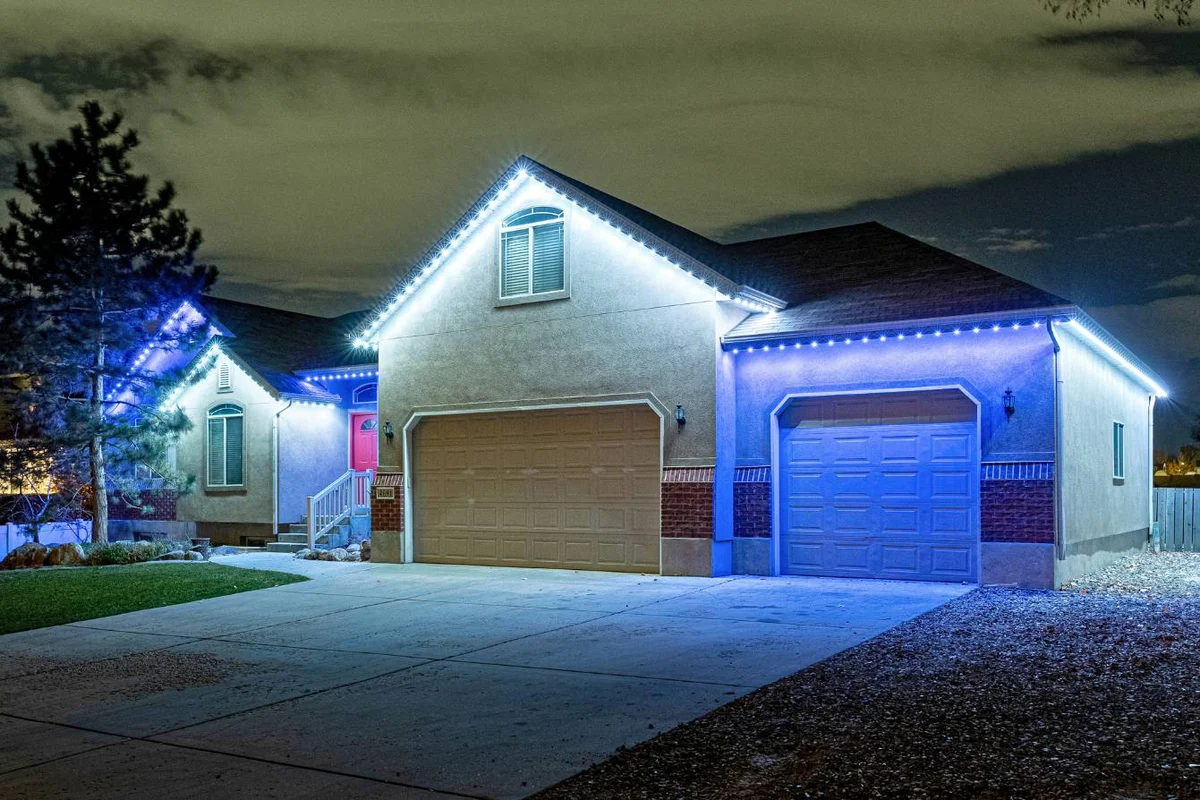
Choose outdoor-rated LEDs with at least 65 lumens per watt and IP65 or higher water resistance ratings. Install motion sensors or timers to prevent lights from running all night. Energy savings compound because outdoor lighting exposure tends to be longer but sporadic in use.
Calculate True Cost and Savings
Calculate payback time by comparing upfront LED cost, wattage saved, average usage hours, and electricity rates. For example, replacing a 60W bulb with a 10W LED, running four hours daily at $0.13/kWh, puts annual savings near $10. Factor in bulb cost and lifespan—often LEDs pay back within 1-2 years.
Consider Color Rendering Index
Look for LEDs with a CRI above 80. This ensures colors appear natural and vibrant under the light. Lower CRI LEDs may save a dollar or two but produce dull or artificially tinted illumination that can strain eyes or distort room mood.
Test Before Replacing Entire House
Try LED bulbs in high-use fixtures first. Testing reveals how color and brightness feel and whether dimmers or controls work correctly. This trial avoids buying large quantities of incompatible bulbs and prevents the frustration of swapping back midway.
LED Upgrade Examples
A suburban family replaced 40 incandescent bulbs with Philips Hue white ambience smart LEDs in late 2023. They reported a 65% drop in monthly lighting energy consumption and controls enabling scheduled bedtime dimming. One side effect: less home heat generated from bulbs, so their A/C ran less in summer. The family expects full ROI by year 3.
A small business with outdoor security lighting upgraded to Cree waterproof LEDs rated IP66 in early 2022. The previous halogen floodlights consumed 150 watts each; the replacements used 30 watts per fixture. Monthly outdoor lighting costs fell from $200 to about $40, and bulb replacements dropped by 80%. They also added motion-triggered sensors for added savings.
LED Upgrade Checklist
| Step | Action | Goal | Tools/Brands |
|---|---|---|---|
| 1 | Identify brightest rooms | Optimize bulb types | Light meter app |
| 2 | Choose LED bulbs by lumens & CRI | Ensure brightness & color quality | Philips, GE, Cree |
| 3 | Test dimmer compatibility | Avoid flicker or buzzing | Lutron Caseta dimmer |
| 4 | Recycle old bulbs | Reduce landfill waste | Local recycling center |
| 5 | Consider smart LED bulbs | Add control features | Sengled, LIFX |
Frequent LED Errors
Choosing bulbs only by wattage rating often leads to under or overpowering rooms, which defeats LED efficiency. People assume all LEDs dim smoothly, ignoring that many cheaper products lack proper electronics for dimmer switches. Such bulbs flicker unpredictably or buzz annoyingly.
Skipping product research and buying from generic brands results in early bulb failures and disappointing light quality. Not checking outdoor fixture requirements leads to corrosion or short bulb life, causing ongoing repair costs.
Ignoring color temperature can affect mood or visual clarity. Using harsh blue-white LED light in bedrooms worsens sleep quality, although the bulb lasts longer than warm-toned alternatives. Test bulbs rather than fully replacing all fixtures at once.
FAQ
Are LEDs compatible with all dimmers?
No, most older dimmers designed for incandescent bulbs do not work properly with LEDs and cause flickering or buzzing.
How long do LED bulbs last compared to incandescents?
LEDs last 25,000–50,000 hours, roughly 25 to 50 times longer than incandescents.
Can LEDs reduce electric bills significantly?
Yes, switching all household lights to LEDs typically cuts lighting electricity use up to 80%.
Are all LED bulbs similar in quality?
No, quality varies widely by brand, design, and certifications such as Energy Star or DLC.
Is it necessary to recycle LED bulbs?
Recycling is recommended since LEDs contain electronic components and metals that shouldn't go into landfill.
Author's Insight
Having installed LED replacements in multiple homes since 2015, I’ve learned that the upfront confusion over bulb specs pays off with years of savings. Early on, I overlooked dimmer compatibility — a mistake many make. Testing bulbs room-by-room avoids unpleasant surprises. Quality still matters more than pricing wars in big-box stores. My advice: invest in reliability and control, not just wattage claims.
Summary
A full LED lighting household means drastically lower energy use and extended bulb life but requires deliberate choices about bulb specs, dimmer switches, and environment. Test before you replace, invest in recognized brands, and update controls for best results. Proper matching of lumen output, color temperature, and fixture use avoids common pitfalls. Over time, the investment returns in cleaner light, reduced bills, and less hassle.