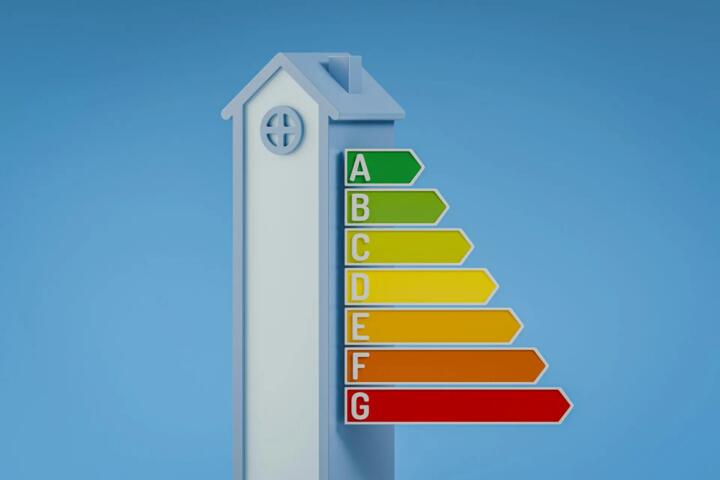
The New Sticker Shock
Walk through an appliance store right now and some of the labels look strange. A dishwasher that carried an Energy Star badge last year might not qualify anymore. A refrigerator that once looked “ultra efficient” now sits closer to the middle of the pack.
The machines did not suddenly get worse. The measurement rules changed.
Federal agencies and independent certification groups updated testing standards across several appliance categories between 2023 and 2026. The Department of Energy revised efficiency benchmarks for products including refrigerators, window air conditioners, clothes washers, and HVAC systems. Energy Star followed with tighter qualification thresholds.
That reset matters because roughly 90% of U.S. households recognize the Energy Star label, according to the Environmental Protection Agency. A lot of buying decisions happen in those 6 seconds staring at a yellow sticker under fluorescent lights.
Consumers now face a weird transition period. Older inventory still carries previous ratings. Newer shipments use revised standards. Two similar appliances sitting side by side can appear miles apart in annual energy use even though the real-world difference is tiny.
That confuses people fast.
Why Ratings Shifted
The old testing systems started drifting away from reality. Appliances became more software-driven, homes changed, and usage patterns evolved faster than federal standards did.
Take refrigerators. Earlier efficiency calculations often failed to account for newer compressor technology, variable-speed cooling systems, and connected “smart” features that stay active around the clock. Heat pumps created another issue because previous regional assumptions no longer matched actual weather data in many states.
Then electricity prices climbed. In 2020, the average U.S. residential electricity rate sat near 13.2 cents per kilowatt-hour. By early 2026, many regions moved beyond 17 cents. California, Massachusetts, and Hawaii run much higher.
Small efficiency gaps suddenly matter more.
Regulators also faced pressure from environmental groups arguing the Energy Star label had become too crowded. If nearly every dishwasher qualifies, the badge stops helping shoppers identify standout models.
Manufacturers pushed back, quietly in some cases. Tighter rules force redesigns, testing costs, and factory adjustments. A company can spend millions improving efficiency by 5% while consumers barely notice the change standing in a showroom on Saturday afternoon...
How To Read Them Now
Compare yearly costs first
Start with estimated annual operating cost, not the marketing language printed on the box. That dollar estimate often reveals more than the efficiency score itself.
A refrigerator priced at $1,900 with a yearly operating estimate of $58 may beat a cheaper $1,200 model costing $126 annually to run. Over 12 years, the math shifts hard.
Ignore flashy “eco” branding. Some manufacturers still wrap ordinary efficiency numbers in vague green language that means almost nothing.
Watch for testing-year gaps
Appliances certified under older standards may still appear in stores through 2026 because inventory cycles move slowly. A 2024-certified dishwasher and a 2026-certified model may use different benchmarks.
Check the label date carefully. Retailers rarely explain this unless you ask.
That detail changes comparisons.
Focus on kilowatt-hours
The clearest metric remains annual electricity consumption measured in kilowatt-hours. Lower numbers still matter regardless of branding shifts.
For example, many modern refrigerators now cluster between 300 and 500 kWh annually. Older units from the early 2000s often exceeded 900. Replacing a 20-year-old fridge can trim electricity costs by more than $120 per year in higher-rate states.
The savings add up quietly.
Check rebate eligibility
State utility rebates increasingly rely on the revised efficiency standards. An appliance qualifying for incentives in 2024 may no longer qualify now.
Programs through utilities like Pacific Gas & Electric, Duke Energy, and Con Edison often require updated Energy Star certification numbers. Heat pump rebates can reach $2,000 or more under certain state and federal programs tied to the Inflation Reduction Act.
Missing paperwork kills deals.
Do not obsess over grades
Some shoppers treat efficiency labels like school report cards. That leads to bad buying decisions.
A slightly less efficient washer with stronger reliability ratings may save more money long term than a fragile ultra-efficient unit needing repairs every 18 months. Yale Appliance and Consumer Reports reliability surveys regularly show that maintenance costs reshape ownership expenses faster than people expect.
Efficiency matters. Repair rates matter too.
Heat pumps changed the most
HVAC labels went through some of the biggest revisions. Older SEER ratings shifted toward SEER2 standards, which use tougher external static pressure testing closer to real installation conditions.
That means a system previously rated SEER 16 may now appear as SEER2 15.2 even if the hardware barely changed. Contractors now spend half their conversations explaining labels instead of airflow.
The transition gets messy.
Scan QR codes carefully
Many newer labels include QR codes linking to certification databases, energy calculators, and manufacturer details. Use them. Retail floor tags are often outdated by the time products arrive.
The Energy Star database and DOE appliance lookup tools now update faster than printed showroom materials. A 30-second scan can reveal revised operating estimates or discontinued certifications.
Retail staff do not always know the difference.
Think beyond electricity
Water use standards shifted too, especially for dishwashers and washing machines. New labels increasingly emphasize gallons per cycle alongside electricity consumption.
That matters in drought-prone states where water bills climb faster than power costs. A high-efficiency washer using 13 gallons per load instead of 25 can save thousands of gallons annually for a family running 6 loads each week.
Those numbers compound quietly.
What Happened In Stores
Large retailers spent much of 2025 reorganizing floor displays because revised labels created awkward comparisons. Home Depot and Lowe’s both carried overlapping generations of certified appliances during transition periods.
One Midwest appliance dealer described customers walking away from perfectly efficient refrigerators because the newer labels “looked worse” than the previous generation sitting beside them. Sales staff started printing comparison sheets just to explain why annual energy estimates changed.
The confusion hit HVAC hardest. Contractors installing updated heat pump systems under SEER2 standards often faced homeowners asking why “newer” equipment showed lower ratings than older online reviews from 2022.
The answer was boring.
The testing formula changed faster than public understanding did. That gap created distrust for a while, even among shoppers genuinely trying to lower utility bills.
Quick Comparison Guide
| Item | OldRule | NewRule | Impact |
|---|---|---|---|
| HVAC | SEER | SEER2 | Lower ratings |
| Washer | Loose test | Tighter test | Less overlap |
| Fridge | Old kWh | New kWh | Revised costs |
| Dishwasher | Broad star | Harder star | Fewer qualify |
Common Buying Mistakes
The first mistake is assuming a lower efficiency score always means a worse appliance. During transition years, labels reflect methodology changes as much as machine performance.
Another problem comes from ignoring installation quality. A perfectly rated heat pump installed with poor ductwork can waste huge amounts of energy. The sticker cannot fix bad airflow.
Cheap units cost later.
Shoppers also underestimate lifespan. Paying $250 less upfront for an appliance that burns an extra $80 annually in electricity stops looking smart around year four.
Then there is the rebate trap. Consumers buy first, research incentives second, and discover the model missed qualification by one certification tier. Utility programs rarely bend the rules after purchase.
Read rebate terms early. The paperwork feels annoying until it saves $600.
FAQ
Did appliances actually become less efficient?
Usually no. Many labels changed because testing standards became stricter or more realistic. The appliance itself may perform almost identically to older versions.
What does SEER2 mean?
SEER2 is the updated efficiency measurement for HVAC systems. It uses revised testing conditions closer to real operating environments, which often produces lower-looking numbers than older SEER ratings.
Why did some products lose Energy Star status?
Energy Star qualification thresholds tightened in several categories. Products that once met the older benchmark may now fall short under revised standards.
Are new labels more accurate?
Generally yes. Regulators updated testing methods to better reflect modern usage patterns, connected features, and actual household conditions.
Should I replace older appliances now?
It depends on age and energy use. Replacing a refrigerator or HVAC system older than 15 to 20 years often creates noticeable utility savings. Newer appliances may not justify replacement costs yet.
Author's Insight
I have spent enough time around appliance comparisons to know most people get overwhelmed after about 4 minutes. Labels help, but only if you understand what changed underneath them. Right now the market sits in an awkward overlap where old standards, new standards, rebates, and marketing claims all collide.
If I were shopping today, I would focus less on the badge itself and more on long-term operating cost, reliability history, and local utility rebates. The yellow sticker still matters. Just not in the simple way it used to...
Summary
Energy-efficiency labels changed because regulators tightened testing methods and updated qualification standards. Appliances may appear less efficient now even when their real-world performance barely changed. Consumers who compare annual operating costs, check certification dates, and verify rebate eligibility will make smarter buying decisions during this transition period.
Ignore the marketing gloss. Read the numbers carefully. And if two appliances look wildly different on paper, check which testing rules produced those labels before assuming one suddenly became terrible.