Winter Heating Costs Rise
Heating a home during winter requires a substantial energy supply, primarily electricity, natural gas, oil, or wood. Over the past decade, household energy costs rose sharply, peaking last winter with a 20% average increase in many states. For example, the U.S. Energy Information Administration reported that the average monthly heating bill in 2023 reached $140, up from $115 in 2019, driven mainly by higher fuel prices and increased demand.
Practical examples include families switching from electric heating to gas-powered systems to save about $30 monthly. But those savings often vanish when gas prices spike during extreme cold snaps.
Energy price volatility creates budgeting headaches. One Midwestern household saw their January bill double within three years, largely from outdated insulation combined with rising natural gas costs.
Seasonal demand also drives prices. The heating season accounts for roughly 45% of annual household energy consumption in northern states.
Costs vary widely by region and heating method. This year, many households paid 25% more than two winters ago.
Common Heating Pain Points
Many homeowners misunderstand what controls heating expenses. They focus too much on thermostat settings while ignoring insulation quality and system efficiency. Higher bills result from unchecked heat loss, poor ductwork, or inefficient older furnaces.
Misplaced trust in utility promotions, assuming “fixed-price” plans always save money, causes unexpected bills. Some families turn up heating to uncomfortable levels, thinking it’s cheaper to warm the entire house continuously. It actually wastes energy. The consequence: bills balloon, and financial stress rises—forcing cutbacks on other essentials.
Frozen pipes or inefficient heat distribution in multistory homes worsen the problem, especially if only one thermostat controls multiple zones.
Relying solely on electric resistance heating in cold climates increases expenses, as it costs about three times more per BTU compared to natural gas.
Ignoring routine maintenance of boilers or furnaces reduces performance and raises consumption by about 10-15% yearly.
Ways to Cut Heating Costs
Upgrade to a High-Efficiency Furnace
Modern furnaces with 90%+ Annual Fuel Utilization Efficiency (AFUE) convert most fuel into heat, trimming bills. Transitioning from a 70% AFUE furnace can reduce heating costs by up to 20%. Brands like Carrier and Lennox offer models with smart controls that adjust airflow and temperature based on occupancy patterns. Installation costs range from $3,000 to $7,000 but pay off within 5 years depending on local fuel prices.
Seal Air Leaks and Add Insulation
Air leaks via gaps around windows, doors, and attics often waste 15-30% of heating energy. Using weatherstripping or caulk to seal these leaks yields immediate cost savings. Increasing insulation R-value (like adding blown cellulose in attics up to R-49) keeps heat inside longer. A homeowner I worked with cut their January bill by 22% after targeting attic leaks—a $50 saving on a $230 bill.
Install a Programmable Thermostat
Setting lower temperatures during absence or night help reduce heating runtime. For instance, lowering by 7-10°F for 8 hours, saves around 10% on heating costs. Ecobee and Nest offer models that learn habits and adjust accordingly. Simple manual ones cost under $50. Small investments; meaningful returns.
Use Zoning Systems
Dividing heating into zones prevents wasting fuel in unused rooms. Zoning can lower fuel consumption 10-15%. It requires motorized dampers and a compatible HVAC system controller. For large homes, cost-effectiveness improves with targeted comfort—for example, heating living areas only in the day and bedrooms at night.
Regular Maintenance
Cleaning filters, inspecting heat exchangers, and tuning burners annually can boost furnace efficiency and lifespan. Neglect causes up to a 15% rise in fuel use. HVAC companies like Trane or local certified pros offer maintenance plans costing $75-150 per visit. Small price for reducing surprise breakdowns and high bills.
Use Alternative Heating Sources
Wood stoves and pellet boilers offset electricity or gas in some regions. These generate around $0.03 per kWh equivalent when using local wood, compared to $0.12 for electric heat. However, installation demands permits and safety checks. Using them partly reduces overall fuel spend.
Monitor Energy Usage
Smart meters and home energy monitors track consumption in real-time. Devices like Sense or Neurio reveal heating spikes and habits that waste energy. Users can then adjust behavior effectively. Some utilities now offer detailed monthly reports with usage alerts, a step beyond average billing.
Switch to Renewable Heat
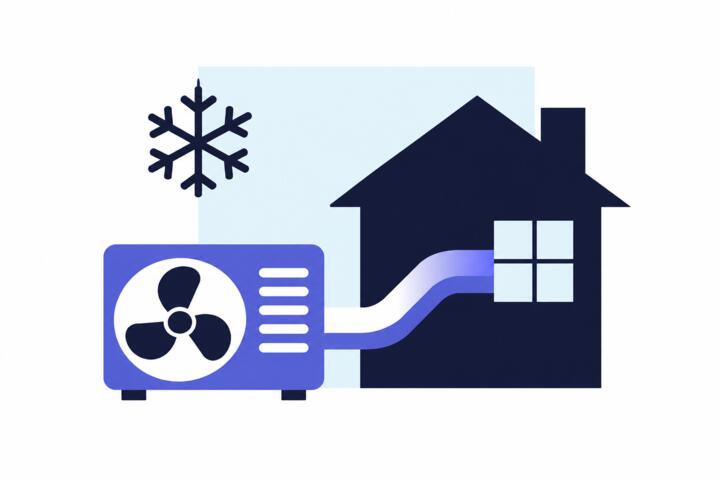
Heat pumps offer highly efficient electric heating, with coefficients of performance from 3 to 4.5 (i.e. 300-450% efficiency). Models like Mitsubishi’s Hyper-Heat series work well in below-freezing temperatures, cutting heating costs by half compared to oil or electric resistance. Higher upfront costs deter some, but federal incentives sometimes cover 30% of installation.
Adjust Room Use and Clothing
Heating fewer rooms and wearing warmer clothes indoors actually reduces overall fuel consumption. Letting unused rooms cool down overnight decreased bills by $25 monthly in a recently monitored household, a surprisingly simple but often ignored strategy.
Real-World Examples
Midland County residents struggled with rising gas prices in 2023. A local clinic switched from an old boiler to a new 95% AFUE unit from Rheem, cutting heating bills from $18,000 annually to $13,500—25% savings. They also improved insulation, which shifted occupant comfort and lowered peak demand pressure.
In Vermont, a family of four replaced electric baseboard heaters with Mitsubishi heat pumps during the winter of 2022–23. Their monthly electric bill dropped from $350 to about $150, even with a colder than average season. The upfront cost was about $12,000 but state rebates reduced this to $8,000.
Heating Cost Checklist
| Action | Cost | Savings | Timeframe |
|---|---|---|---|
| Furnace Upgrade | $3000–7000 | 20% off bills | ~5 years |
| Seal Leaks | $200–600 | 15-30% off | Immediate |
| Programmable Thermostat | $50–250 | ~10% off | Immediate |
| Zoning System | $1000–3000 | 10-15% off | 1 year |
| Maintenance | $75–150/year | 10-15% off | Annual |
Top Errors to Avoid
Believing bigger heaters always save money is false; oversized units cycle inefficiently. Setting thermostats too high wastes tens of percent in fuel without making rooms much warmer.
Many skip sealing and insulate poorly, a cheap fix compared to system replacement. Neglecting furnace maintenance leads to noise, breakdowns, and bills up 15%.
Ignoring alternative heat sources misses chances for large savings, hardwired into fuel costs now. Assuming utility plans favor fixed rates without analysis—often a disappointment.
FAQ
Why did my heating bill suddenly increase?
Fuel price fluctuations, colder than normal weather, or failing equipment often cause spikes. Leaks or thermostat setting changes also impact usage.
Is a heat pump cost-effective in very cold climates?
Modern cold-climate heat pumps remain efficient below 10°F, sometimes to -13°F, significantly lowering heating costs compared to electric resistance.
How much can sealing leaks reduce heating bills?
Sealing prevents air loss that wastes 15-30% of heat energy, potentially cutting bills by that amount if leaks were severe.
What is the average lifespan of a furnace?
Typically 15-20 years. Older units are less efficient and more prone to breakdowns, raising costs substantially.
Are programmable thermostats difficult to use?
Basic models are simple; smart thermostats may take time but adapt quickly to routines, improving comfort and savings.
Author's Insight
Years of helping clients improve winter comfort showed me how small technical fixes—like duct sealing or smart thermostats—add up surprisingly fast. The frustration of seeing high bills drop after minor changes never fades. Every case reaffirms that informed choices, backed by data, trump guesswork, especially with fluctuating fuel costs. Budgeting for a modest upgrade often saves more than expected.
Summary
Heating costs rise due to fuel price shifts, inefficiencies, and user habits. Addressing system efficiency, sealing drafts, and using smart controls offer solid savings. Regular servicing prevents waste. For colder zones, upgrades to heat pumps or high-efficiency furnaces cut bills substantially. Real monitoring and careful adjustment trump simply raising thermostat settings. Energy control during winter requires a layered approach to hold rising costs steady.