Why Heat Pumps Spread
Ten years ago, many homeowners barely knew what a heat pump was. Contractors talked about furnaces, boilers, and central AC systems. Heat pumps sat in the background unless you lived in a mild climate like North Carolina or coastal California.
That changed fast. In 2022, heat pump sales in the United States passed gas furnace sales for the first time, according to the International Energy Agency. Federal incentives helped, but energy bills pushed the conversation harder. Natural gas prices jumped. Electricity rates climbed too, though usually less aggressively in regions with newer grids.
The systems also improved.
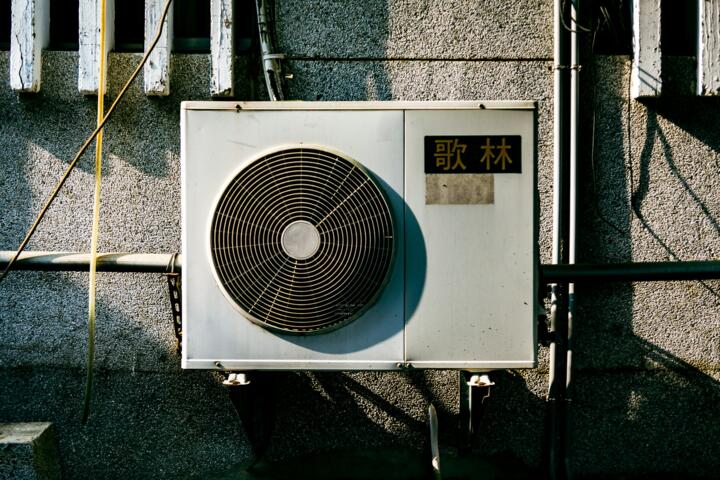
Older heat pumps struggled in freezing temperatures. New cold-climate models from Mitsubishi, Daikin, Fujitsu, and Carrier can keep running below 0°F. Some maintain strong efficiency even near -13°F, which changed the equation for places like Minnesota, Maine, and upstate New York.
Homeowners started noticing quieter operation, lower monthly costs, and something else: one machine handles both heating and cooling. That matters when replacing a furnace and aging air conditioner at the same time. Suddenly the math looks different.
Still, heat pumps are not magic boxes. The wrong setup can leave rooms cold, humidity uneven, and electric bills surprisingly ugly...
Where Buyers Get Burned
The biggest mistake starts before installation. People hear “energy efficient” and assume every house automatically becomes cheaper to heat. That depends on insulation, ductwork, climate, utility rates, and system sizing.
A poorly insulated 2,400-square-foot house in Chicago may force a heat pump to work constantly during January. If the installer oversized the equipment, the system may short-cycle and create humidity problems during summer. If they undersized it, backup resistance heat kicks on and spikes electric costs.
Those spikes surprise people.
Another issue comes from contractor quality. Heat pump demand exploded faster than the skilled labor pool grew. Some HVAC companies still treat heat pumps like standard AC units with extra wiring attached. Refrigerant charge, airflow balancing, and load calculations get rushed.
Then there is the rebate confusion. Federal tax credits under the Inflation Reduction Act can reach $2,000 for qualifying heat pump installations. State programs add more in places like Massachusetts and California. Yet many homeowners misunderstand what counts. Electrical upgrades, insulation work, and panel replacements sometimes qualify separately. Sometimes they do not.
The paperwork gets messy fast.
People also underestimate how much their existing house affects results. Drafty windows from 1988 do not suddenly stop leaking air because a new Mitsubishi compressor arrived in the driveway.
What To Check First
Get a real load calculation
Skip contractors who size systems by square footage alone. A proper Manual J load calculation measures insulation levels, windows, air leakage, ceiling height, orientation to sunlight, and local climate conditions.
A 1,600-square-foot ranch in Arizona behaves very differently from a 1,600-square-foot colonial in Vermont. Yet rushed bids often recommend identical tonnage.
Bad sizing ruins performance.
Look at insulation before equipment
Many homes lose heat through attics and crawl spaces faster than through HVAC inefficiency. Sealing leaks and upgrading insulation may cut heating demand enough to install a smaller, cheaper heat pump.
The Department of Energy estimates homeowners can reduce heating and cooling costs by roughly 15% through insulation and air sealing upgrades alone. Sometimes more in older houses.
That changes installation math. A smaller unit costs less upfront and usually runs more steadily.
Compare ducted and ductless systems
Ducted heat pumps use existing vents and feel familiar to homeowners moving from central air systems. Ductless mini-splits avoid duct losses and work well for additions, older homes, or room-by-room control.
Mitsubishi and Fujitsu dominate the mini-split market, while Trane, Lennox, and Carrier push harder into central ducted systems. Neither approach wins automatically.
Ductless systems often save more energy. Some homeowners hate the wall-mounted indoor units, though...
Check electric panel capacity
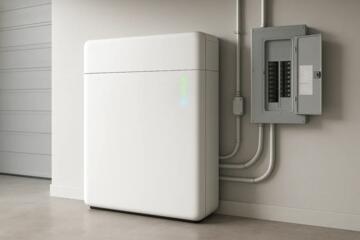
Older houses may still run on 100-amp electrical panels. Heat pumps, induction stoves, EV chargers, and dryers together can overwhelm that setup quickly.
Panel upgrades can cost between $2,000 and $6,000 depending on wiring complexity and local labor rates. Some utility rebate programs help cover the expense.
Find this out early. Nothing wrecks a renovation budget faster than surprise electrical work after equipment arrives.
Ask about cold-weather ratings
Not every heat pump handles winter equally well. Contractors sometimes quote lower-cost models designed for moderate climates even when the homeowner lives somewhere brutal.
Look for systems with strong HSPF2 ratings and verified low-temperature output data. Brands now publish detailed performance charts showing heating capacity at 17°F, 5°F, and below.
The details matter here.
Study local utility prices
Heat pumps move heat instead of creating it through combustion, which usually makes them cheaper to run than electric resistance heating. But local electricity rates still shape the outcome.
In regions with expensive electricity and cheap natural gas, savings may shrink. In areas with cleaner grids and moderate electric rates, the monthly difference can become dramatic.
Maine became one of the strongest heat pump markets partly because heating oil costs stayed painfully high for years.
Use rebates strategically
Federal tax credits cover 30% of qualifying installation costs up to annual caps. State programs stack on top in some areas. Massachusetts homeowners, for example, have seen rebates exceed $10,000 under Mass Save programs.
But timing matters. Some rebates require approved contractors, pre-approval paperwork, or equipment listed in certain efficiency databases.
Do not buy first. Verify incentive rules before signing contracts or deposits.
Think about backup heat
Some homeowners remove gas systems entirely. Others keep a furnace or boiler as secondary heating during extreme cold snaps.
Hybrid systems can reduce stress on the heat pump during severe weather while still lowering annual fuel consumption. In colder northern states, that balance often works better than total electrification right away.
The all-or-nothing mindset causes trouble.
What Real Homes Saw
A homeowner in suburban Boston replaced a 20-year-old oil furnace and window AC setup with a cold-climate Mitsubishi heat pump system in 2023. The installation cost roughly $19,000 before incentives. Mass Save rebates and federal tax credits reduced the effective cost closer to $11,500.
The first winter showed heating costs about 28% lower than the previous oil-based setup. Summer electricity use rose because the owners cooled the house more consistently, though overall annual energy spending still dropped.
Comfort changed too.
Instead of sharp temperature swings from the old furnace blasting hot air twice an hour, the heat pump maintained steadier indoor temperatures. The owners noticed quieter operation almost immediately.
Another case came from a Denver homeowner who rushed installation during a contractor backlog in 2022. The system was oversized for the house by nearly 1 ton. Summer humidity became uncomfortable, the system cycled constantly, and electric bills climbed higher than expected.
A second HVAC company later corrected airflow settings and added attic insulation. Performance improved, though the homeowner still admitted the rushed buying process cost several thousand dollars more than expected.
Cost And Payback
| Upgrade | Range | Savings | Notes |
|---|---|---|---|
| MiniSplit | $4k-$12k | Medium | Room zones |
| Ducted | $10k-$20k | High | Whole house |
| PanelUpg | $2k-$6k | Low | Electrical work |
| Insulation | $1k-$5k | High | Cuts leakage |
Common Buying Mistakes
Many homeowners start shopping during emergencies. The furnace dies in January, temperatures collapse outside, and the first contractor who can install “by Friday” wins the job.
That rush leads to weak comparisons. People rarely collect multiple bids or ask detailed questions about load calculations, refrigerant lines, or backup heating strategies.
Slow down if possible.
Another mistake is chasing maximum efficiency ratings without considering real-world conditions. A top-tier system installed poorly often performs worse than a mid-range unit installed carefully.
Homeowners also ignore maintenance. Heat pumps still need filter changes, coil cleaning, refrigerant checks, and airflow inspections. Some people assume “electric” means maintenance-free. It does not.
Then there is the social-media problem. Videos showing dramatic energy savings from one household rarely mention climate differences, utility pricing, insulation quality, or installation details. A setup that works beautifully in Seattle may disappoint someone outside Minneapolis.
Context changes everything.
FAQ
Do heat pumps work in very cold climates?
Yes, many modern cold-climate models work well below 0°F. Performance varies by brand and setup, so homeowners in colder regions should verify low-temperature heating capacity before buying.
Will a heat pump lower my electric bill?
Not always by itself. Savings depend on insulation quality, local utility rates, system sizing, and the heating system being replaced. Homes switching from oil or electric resistance heat often see larger savings.
How long do heat pumps last?
Most systems last around 10 to 15 years with proper maintenance. Some mini-split systems last longer when serviced regularly and operated in moderate climates.
Can I keep my gas furnace too?
Yes. Many homeowners install hybrid systems that combine a heat pump with an existing furnace for backup heating during extreme cold.
Are heat pumps noisy?
Usually less noisy than older AC condensers or oil furnaces. Indoor comfort often feels steadier too because heat pumps run longer at lower output levels instead of blasting short bursts of hot air.
Author's Insight
I have noticed that homeowners who feel happiest with heat pumps usually spent more time planning the house than obsessing over the equipment brand. Insulation, airflow, and contractor quality shape the outcome more than marketing slogans do.
If I were replacing an aging HVAC system today, I would get at least three bids and ask every contractor for a detailed load calculation in writing. The technology has improved dramatically. The installation quality gap, unfortunately, still feels very wide...
Summary
Heat pumps moved from niche equipment into mainstream home upgrades because newer systems handle colder weather better and energy prices changed homeowner priorities. The right setup can reduce heating costs, improve comfort, and replace both furnace and air conditioner systems at once.
But buying too fast creates expensive mistakes. Check insulation first, compare contractor quality carefully, study rebate rules before signing anything, and make sure the system fits the house instead of the sales pitch.