Why Bills Keep Climbing
For a lot of households, energy bills stopped feeling predictable around 2022. Natural gas prices jumped. Utilities passed along infrastructure costs. Summers grew hotter in places that already struggled with expensive cooling seasons.
The average U.S. residential electricity price rose more than 25% between 2019 and early 2025, according to Energy Information Administration data. In states like California and Hawaii, many households now pay over 30 cents per kilowatt-hour. A central air conditioner running 8 hours a day during a heat wave can add more than $200 monthly by itself.
Most people blame appliances first. Usually the house leaks money elsewhere.
Heating and cooling account for roughly 43% of the average home energy bill. Water heating often takes another 15% to 20%. That means the biggest savings rarely come from unplugging phone chargers or replacing every light bulb overnight.
The expensive stuff hides in walls, attics, ducts, windows, and old HVAC systems that keep grinding through another season because replacement sounds painful...
Where Money Gets Burned
A lot of homeowners focus on visible things because they feel manageable. They buy power strips, smart speakers, energy-monitoring plugs. Meanwhile, attic insulation from 1987 sits overhead doing almost nothing.
Air leaks create another huge problem. Small gaps around doors, windows, recessed lighting, and duct connections let conditioned air escape constantly. The Department of Energy estimates that sealing leaks can cut annual energy costs by up to 20% in some homes.
That drift adds up fast.
Old HVAC systems also lose efficiency slowly enough that owners stop noticing. A 15-year-old air conditioner may still cool the house, but it can use 20% to 40% more electricity than newer high-efficiency models. Same outcome. Much bigger bill.
Then there is behavior. Running dishwashers at peak evening rates, blasting heat into empty rooms, keeping garage refrigerators from 1999 alive for sentimental reasons — those habits quietly stack costs month after month.
Utilities count on inertia.
What Actually Cuts Costs
Seal air leaks first
Start with the cheap fixes before replacing major equipment. Weather stripping, caulk, foam sealant, and duct sealing often deliver faster savings than expensive smart-home gadgets.
Energy auditors regularly find leaks around attic hatches, plumbing penetrations, dryer vents, and recessed ceiling lights. A homeowner can spend $80 sealing those areas and trim heating and cooling waste within weeks.
Skip decorative upgrades first. Air escaping through a 1-inch attic gap all winter does more damage than outdated kitchen countertops ever will.
Add attic insulation
Insulation is boring. It also works.
Many older homes still sit below recommended attic insulation levels. In colder climates, the Department of Energy often recommends R-38 through R-60 insulation overhead. Houses built before the 1990s frequently fall short.
Blown-in cellulose insulation for a 1,500-square-foot attic may cost $1,500 to $3,500 depending on region. In exchange, homeowners often cut heating and cooling expenses by 10% to 15% annually.
That payback arrives quietly.
Replace ancient HVAC units
If an HVAC system is pushing past 15 years old, efficiency usually drops hard. Older units cycle longer, struggle during extreme weather, and consume far more electricity than newer heat pumps or high-SEER air conditioners.
Heat pumps became far more attractive after federal tax incentives expanded under the Inflation Reduction Act. Some households qualify for credits worth up to $2,000. Certain utility rebates stack on top.
A modern cold-climate heat pump can reduce electricity use dramatically while replacing both heating and cooling systems at once. Not every house is a fit. Many are.
Shift usage off peak hours
Many utilities now charge time-of-use rates. Electricity costs more during heavy demand windows, usually late afternoon through evening.
Running laundry at 9 p.m. instead of 5 p.m. may cut the cost nearly in half in some service areas. Charging electric vehicles overnight often produces even bigger savings.
Check your utility tariff closely. A surprising number of customers do not realize they already switched to variable pricing plans years ago.
Install a smart thermostat
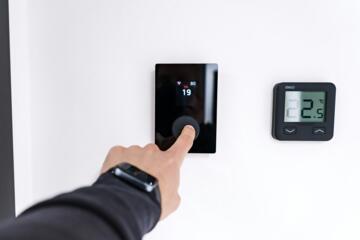
Smart thermostats save money when people actually program them. That part gets ignored in advertisements.
Google Nest and Ecobee systems can reduce heating and cooling waste by adjusting temperatures automatically when homes are empty. The Environmental Protection Agency estimates properly used smart thermostats can save roughly 8% annually on heating and cooling costs.
Do not set dramatic temperature swings, though. Turning heat down 15 degrees for short periods often backfires because systems work harder catching back up.
Lower water heating costs
Water heaters quietly chew through electricity or gas every day. Lowering the thermostat from 140°F to 120°F can cut energy use while reducing scald risk too.
Tank insulation blankets help older units hold heat longer. Heat pump water heaters save even more. Some use less than half the electricity of standard electric resistance models.
The savings are real.
A family of four using an older electric water heater might trim $300 to $500 annually after upgrading, depending on local utility prices.
Stop cooling empty rooms
People routinely spend money conditioning spaces nobody uses. Guest rooms sit frozen all summer. Finished basements stay heated during vacations. Garage mini-splits hum away for empty workout areas.
Close vents selectively only if your HVAC system supports zoning safely. Otherwise use smart dampers or mini-split systems designed for room-by-room control.
One closed door changes little. Five unused rooms can.
Audit appliance vampires realistically
Some standby electricity waste exists, but internet myths exaggerate it wildly. Phone chargers are not the main villain.
Focus on larger always-on devices instead: second refrigerators, old freezers, cable boxes, gaming PCs, and aging entertainment systems. An outdated garage refrigerator can cost more than $150 annually to operate by itself.
Kill the giant drains first.
Real Savings Stories
A homeowner in Phoenix replaced a 17-year-old air conditioner with a high-efficiency heat pump and sealed major attic leaks during the same project. Summer electricity bills dropped from roughly $420 monthly to about $260 despite record heat. The combined project cost around $11,000 before rebates.
The attic work mattered too.
In Ohio, another household focused on smaller upgrades instead of replacing equipment immediately. They added blown-in attic insulation, installed a smart thermostat, sealed duct leaks, and shifted laundry usage to overnight hours under a time-of-use pricing plan. Annual utility spending fell about 22%, or nearly $780 per year.
Neither household relied on miracle gadgets. Both targeted the systems using the most energy first.
Fixes Worth Comparing
| Upgrade | Cost | Savings | Speed |
|---|---|---|---|
| AirSealing | Low | Medium | Fast |
| Insulation | Medium | High | Medium |
| HeatPump | High | High | Slow |
| Thermostat | Low | Low | Fast |
Common Energy Mistakes
A lot of households replace windows first because windows look dramatic. Unless the existing windows are badly damaged, the savings often disappoint compared with insulation or air sealing projects that cost less.
Another mistake is oversizing HVAC systems. Bigger units do not automatically cool better. They short-cycle, waste energy, and leave humidity problems behind.
Bigger is not smarter.
People also underestimate maintenance. Dirty HVAC filters reduce airflow and force systems to work harder. Replacing filters every 1 to 3 months costs little compared with burning extra electricity for years.
Then there is rebate blindness. Utility companies, state agencies, and federal programs now offer thousands in tax credits and rebates for efficient upgrades. Yet many homeowners start projects before checking eligibility deadlines and approved equipment lists.
That missed paperwork hurts.
FAQ
What uses the most electricity in a home?
Heating and cooling usually consume the largest share, often more than 40% combined. Water heaters, dryers, and older refrigerators also rank high.
Do smart thermostats really save money?
Yes, but mainly when programmed correctly. A smart thermostat sitting in permanent override mode behaves like an expensive wall decoration.
Is replacing windows worth it?
Sometimes, though usually after air sealing and insulation upgrades. Window replacements cost a lot, and payback periods can stretch beyond 15 years.
How much can insulation reduce bills?
Proper attic insulation can lower heating and cooling expenses by roughly 10% to 15% in many homes. Results depend on climate and existing insulation levels.
What temperature saves the most money?
The U.S. Department of Energy often recommends around 68°F during winter waking hours and higher settings in summer when nobody is home. Small consistent adjustments work better than extreme swings.
Author's Insight
I have seen homeowners spend $20,000 remodeling kitchens while ignoring duct leaks that dumped conditioned air straight into attics. Energy savings usually come from the dull projects nobody wants to post online.
If I had to choose only three upgrades for most houses, I would start with air sealing, attic insulation, and HVAC maintenance before touching cosmetic changes. Fancy gadgets get attention. Hidden airflow problems drain the checking account year after year.
Summary
Energy bills keep rising because electricity, gas, infrastructure, and weather pressures all moved upward together. The best savings rarely come from trendy gadgets or tiny habit tweaks. Air sealing, insulation, efficient HVAC systems, smarter timing, and realistic appliance management produce the biggest results.
Start with the leaks. Check utility rebates before buying equipment. And if your house still runs on a 20-year-old air conditioner during 100-degree afternoons, the monthly bill is already telling you what needs attention.