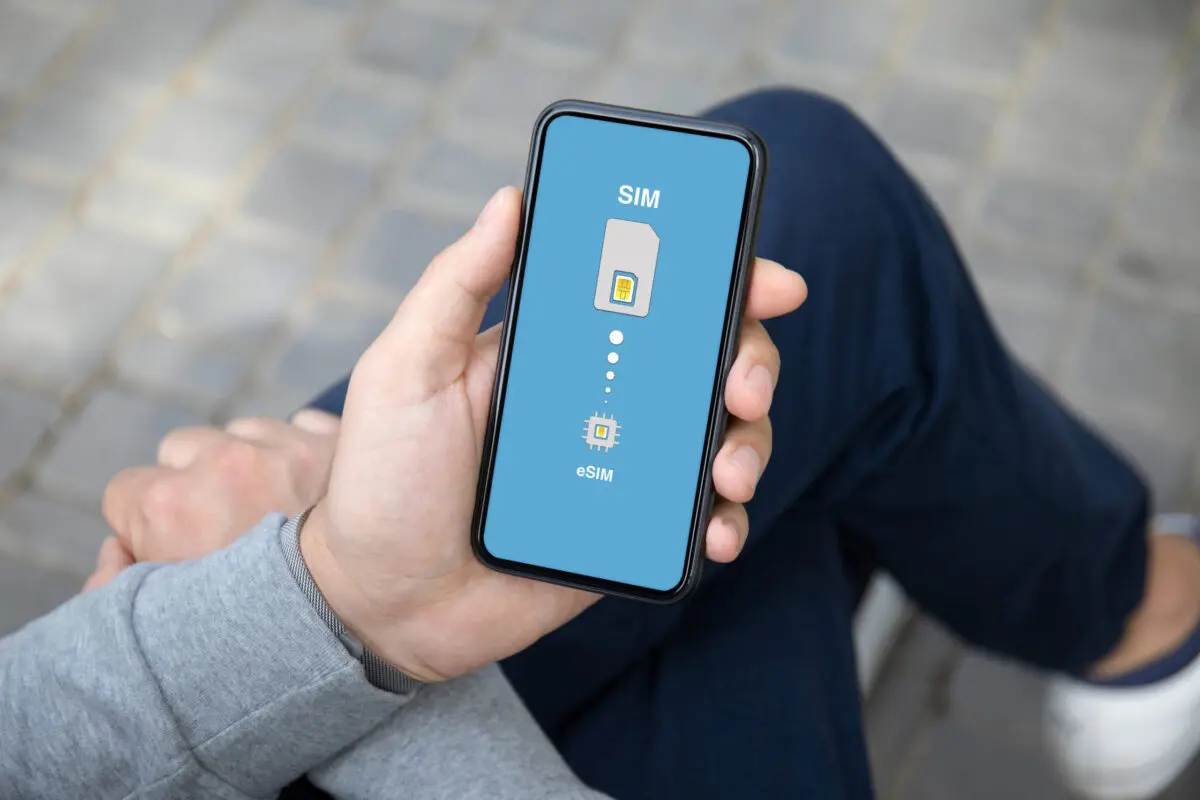
Esim Travel Shift
Phones stopped needing physical SIM trays in many newer models. Apple pushed eSIM support across recent iPhones, and Android makers like Samsung and Google followed across Pixel and Galaxy lines. The change sounds small until you land in another country and connect in under 2 minutes.
Traditional roaming often cost €10–€15 per day in Europe for basic data bundles. Outside EU zones, some carriers still charge €5 per MB. That is not a typo. A short video call can quietly cross €20.
Skip physical SIM swaps. They waste airport time.
E-SIMs flipped that delay into a download. Providers like Airalo, Ubigi, and Holafly let users install a profile before travel. No kiosk. No paper forms. Just a QR code and a data plan tied to a country or region.
One setting change.
The shift matters most for frequent travelers. Remote workers moving between cities, students on exchange programs, and anyone hopping between three or more countries in a month feel the difference first.
Old Roaming Costs
Carriers built roaming on complexity. Local partnerships, layered fees, and unclear usage thresholds made billing hard to predict. That confusion created margin.
A 2023 EU report found roaming revenue still contributes billions to mobile operators despite “Roam Like at Home” rules inside Europe. Outside the EU, pricing gaps remain wide.
Stop trusting roaming packs. They overcharge by default.
Some plans advertise “daily passes,” but those often reset every 24 hours regardless of usage. A traveler who barely uses 200MB still pays the same as someone streaming maps and video all day.
Data throttling adds another layer. After a limit, speeds drop to 128 kbps or lower. Navigation still works, but anything visual becomes painful.
Then there is bill shock. Many users discover charges weeks after returning home. The delay removes control from the moment when decisions matter most.
Esim Options Today
E-SIM providers now compete on coverage, not hardware. Airalo offers regional bundles across 200+ destinations. Ubigi focuses on Asia and Europe with stable LTE partners. Holafly markets unlimited data plans with fair-use limits depending on country.
Carriers also entered the space. Vodafone, T-Mobile, and Orange now sell eSIM travel packs that activate instantly inside their apps. Prices still vary, but transparency has improved.
Ignore carrier bundles. They hide real costs.
Most modern smartphones support at least one eSIM profile alongside a physical SIM. Dual-SIM setups let users keep home numbers active while routing data through a local plan.
About 70% of smartphones shipped in 2025 include eSIM capability, according to GSMA estimates. Adoption is no longer niche.
Some devices even support multiple stored profiles, though only one or two can run at once. That makes switching between countries less painful than carrying multiple cards.
Using Esim Abroad
Install Before Departure
Set up the eSIM at home while on stable Wi-Fi. Providers like Airalo generate a QR code instantly after purchase. Scanning it activates the profile in under 3 minutes.
This avoids airport stress and weak hotel Wi-Fi setups on arrival.
Preparation reduces friction.
Separate Data And Calls
Keep your primary SIM active for calls and SMS while routing mobile data through the eSIM. This setup prevents missed bank OTP codes while avoiding roaming data charges.
Apple’s dual-SIM interface makes switching data lines simple in settings. Android devices show similar toggles under network management.
Control matters more than speed.
Choose Regional Plans
Buying a Europe-wide or Asia-wide plan often costs less than stacking individual country packages. A 5GB regional plan can cover 10–15 days of moderate usage across multiple borders.
Frequent border crossings inside the Schengen zone make regional coverage more practical than country-by-country purchases.
One plan, many stops.
Track Data Usage
Most eSIM apps include live data tracking. Set alerts at 50% and 80% usage to avoid sudden cutoffs or speed throttling.
Streaming maps and ride apps can consume 200–300MB per hour depending on resolution and caching.
Small habits add up.
Keep Backup Wi-Fi Access
Even with eSIMs, public Wi-Fi still matters. Airports, hotels, and cafés remain fallback options when coverage dips in rural areas.
Download offline maps before travel. Google Maps allows full city downloads up to several hundred megabytes per region.
Signal gaps still happen.
Compare Latency Not Just Price
Cheaper plans sometimes route traffic through distant servers, increasing latency. That affects video calls and navigation refresh speed.
Latency under 80ms feels smooth for most apps. Above 150ms, delays become noticeable during real-time use.
Performance beats price alone.
Real World Cases
A freelance designer traveling between Berlin, Lisbon, and Barcelona switched from roaming to an Airalo Europe eSIM. Monthly mobile costs dropped from €92 to €24, with no change in usage patterns.
A student on exchange in Tokyo used a local Ubigi plan for 30 days. Instead of paying €12/day through roaming, total spend stayed under €35 for the month, including 10GB of data.
Another case involved a sales consultant using a Samsung Galaxy dual-SIM setup. By keeping a home SIM active for calls and routing data through a regional eSIM, international trips across 6 countries removed roaming charges entirely.
Time saved was unexpected.
Each case shows the same pattern: control replaces guesswork, and usage becomes visible in real time rather than buried in monthly billing cycles.
Common Mistakes
Many users buy the wrong region pack. A “Europe” eSIM may not include Switzerland or Turkey depending on provider definitions.
Another mistake is installing the eSIM but forgetting to switch mobile data from the physical SIM. Phones often default back to the original carrier automatically after restarts.
People also ignore background data. Apps update silently, consuming gigabytes without visible activity.
Turn off automatic updates.
Some travelers assume unlimited plans mean unlimited speed. Most “unlimited” eSIMs reduce speeds after a threshold like 20GB or 50GB per day.
Others wait until landing to buy a plan. That depends on airport Wi-Fi reliability, which varies more than most expect.
FAQ
Do all phones support eSIM?
No. Most iPhones from XR onward and recent Samsung Galaxy and Google Pixel models support eSIM, but older devices and budget phones may not include it.
Is eSIM cheaper than roaming?
In most cases yes. Roaming can cost €5–€15 per day, while eSIM data plans often start under €10 for several gigabytes depending on region.
Can I keep my phone number with eSIM?
Yes. You can keep your physical SIM active for calls and messages while using an eSIM for mobile data abroad.
Does eSIM work in rural areas?
Coverage depends on local carrier partnerships. In most countries, eSIMs use the same networks as physical SIMs, so performance is similar.
How fast is eSIM activation?
Activation usually takes 1–3 minutes after scanning a QR code and connecting to Wi-Fi. Some carriers activate instantly through their apps.
Author's Insight
I have seen roaming evolve from a predictable annoyance into something users actively avoid rather than accept. The introduction of eSIMs shifted control away from carriers and into device settings. That alone changed how people plan travel.
What stands out most is not the cost reduction but the timing. Decisions now happen before departure instead of after arrival. That small shift removes most of the uncertainty that used to define mobile use abroad.
Summary
E-SIMs removed physical friction from international connectivity and replaced roaming uncertainty with upfront pricing and instant activation. Travelers now choose networks before flying, monitor usage in real time, and avoid most surprise charges. The system is not perfect, but it gives users visibility that older roaming models never offered.
Compare plans before travel, activate early, and keep your primary SIM active for essentials. That combination removes most of the friction that once defined using a phone abroad.