Why Bills Keep Rising
Water used to be the utility people barely noticed. Electricity jumped in summer. Gas spiked in winter. Water just sat there in the background, quietly affordable.
Not anymore. Water and wastewater prices in many U.S. cities have climbed faster than inflation for more than a decade. A 2024 Bluefield Research report found that average residential water rates increased roughly 24% over the previous five years in major metro areas.
The reasons pile up quickly. Cities are replacing century-old pipes, upgrading treatment plants, and dealing with drought conditions that strain reservoirs. Some systems lose 15% to 30% of treated water through leaks before it even reaches homes.
Those repairs cost billions.
Utilities pass much of that cost to households through rate hikes, seasonal surcharges, and higher wastewater fees tied to total water use. In places like Phoenix, Las Vegas, and parts of California, summer bills can jump sharply once usage crosses certain thresholds. The first few thousand gallons stay affordable. After that, prices climb fast.
Most people notice too late. The bill arrives, everybody complains for 12 minutes, then life moves on until the next one.
Where Homes Waste Water
People tend to blame long showers first. Fair enough. But indoor water waste often comes from quieter problems that run all day instead of 15 minutes.
A leaking toilet can waste more than 200 gallons daily depending on the severity of the leak. Old washing machines use nearly twice the water of modern high-efficiency models. Outdoor irrigation systems spray sidewalks at noon while half the yard turns brown anyway.
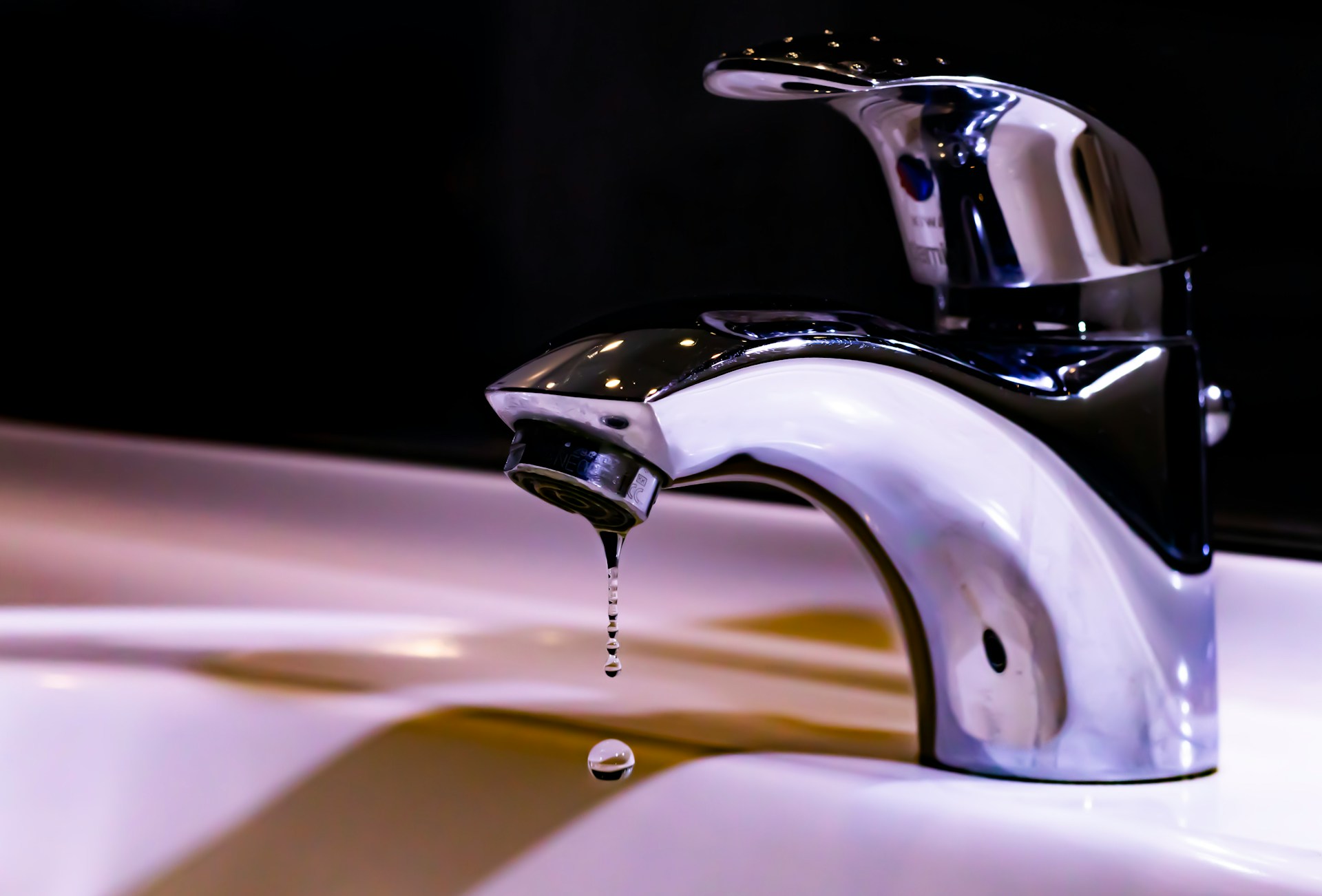
Small leaks become expensive.
The Environmental Protection Agency estimates the average household leaks nearly 10,000 gallons every year. That is enough water for around 270 loads of laundry.
Timing also matters. Many utilities charge higher sewer fees based on winter water usage averages. If a household fills a pool, runs extra laundry, or hosts guests during that calculation period, bills may stay elevated for the next 12 months.
Then there are habits people barely notice anymore. Letting faucets run while dishes soak. Half-empty dishwasher cycles. Watering grass before a rainstorm because the timer was already programmed...
Ways To Shrink Costs
Fix toilets before faucets
Start with the toilet, not the kitchen sink. Toilet leaks waste more water than dripping faucets in most homes, and many leaks stay silent for months.
Drop food coloring into the toilet tank and wait 10 minutes without flushing. If color appears in the bowl, the flapper valve probably needs replacement. Most replacements cost under $15 and take less than 20 minutes.
Cheap repair. Big payoff.
Use smart irrigation timing
Water lawns before sunrise or after sunset. Midday watering loses huge amounts to evaporation during summer heat.
Smart irrigation controllers from brands like Rachio and Orbit adjust schedules automatically based on weather forecasts. Households in dry climates often cut outdoor water use by 20% or more after switching.
Skip daily watering too. Grass roots grow deeper with fewer but heavier watering sessions.
Swap old showerheads
A showerhead from 1998 may push 4 or 5 gallons per minute. Federal standards now cap most models at 2.5 gallons, and many efficient versions use even less without feeling weak.
A family of four cutting shower flow by 2 gallons per minute could save more than 10,000 gallons yearly depending on habits. Delta, Moen, and Kohler all sell WaterSense-certified models under $40.
The difference shows up fast on bills.
Run full appliance loads
Dishwashers and washing machines use roughly the same amount of water whether they are half full or packed correctly. Running smaller loads repeatedly burns through water and electricity at the same time.
New Energy Star dishwashers can use under 4 gallons per cycle. Hand washing often uses more if the faucet keeps running during rinsing.
People hate hearing that one.
Track usage weekly
Most utility companies now offer online portals showing daily or hourly water usage. Check those dashboards weekly instead of waiting for the monthly bill.
Sudden spikes usually reveal leaks, irrigation issues, or appliance problems early. Some utilities even send automatic leak alerts after unusual overnight consumption.
Watch nighttime activity closely. If water use continues while everyone sleeps, something is probably leaking.
Replace thirsty landscaping
Grass lawns consume enormous amounts of water in dry states. Replacing sections with native plants, gravel paths, or drought-resistant landscaping cuts outdoor usage dramatically.
Las Vegas actually pays homeowners through rebate programs for removing grass. Similar incentives exist in parts of Texas, Arizona, and California. In some neighborhoods, households save 30% to 50% on summer water bills after reducing turf coverage.
Lawns are expensive status symbols.
Shorten hot water waits
People waste gallons waiting for showers or sinks to heat up. Insulating hot water pipes or installing a recirculation pump reduces that delay.
Tankless water heaters help too, though installation costs can run high. Smaller fixes often work well enough. Even collecting cold startup water in a bucket for plants sounds silly until you realize how much disappears every week.
Small routines matter here.
Ask utilities about audits
Some cities and utility providers offer free home water audits. A technician checks irrigation systems, fixture efficiency, leak risks, and household consumption patterns.
Many homeowners skip these programs because they assume the process turns into a sales pitch. Often it does not. Utilities want lower demand because expanding water infrastructure costs far more than conservation programs.
One audit can uncover years of hidden waste.
What Savings Look Like
A Phoenix homeowner named Carla Moreno noticed her summer water bills pushing past $210 monthly even though her household had only three people. The biggest issue turned out not to be showers or laundry. Her irrigation timer was running 6 days a week during monsoon season.
After switching to a weather-based smart controller and replacing two leaking sprinkler heads, her average bill dropped to around $145 within 2 months. Outdoor water use fell by nearly 35%.
That added up quickly.
Another example came from a family in Atlanta living in a 1990s-era home with older plumbing fixtures. Their utility portal showed unexplained overnight usage spikes averaging 40 gallons per hour. A silent toilet leak caused most of it.
The repair cost under $20. Their next quarterly bill dropped by roughly $90, and the utility company adjusted part of the previous charge after confirming the leak repair.
Many households are sitting on savings like that without realizing it.
Quick Savings Checklist
| Action | Cost | Savings | Speed |
|---|---|---|---|
| ToiletFix | Low | High | Fast |
| SmartTimer | Medium | High | Medium |
| NewShower | Low | Medium | Fast |
| YardSwap | High | High | Slow |
Costly Water Mistakes
People often chase tiny savings while ignoring massive waste points. They install efficient faucet aerators, then leave irrigation systems spraying sidewalks every morning.
Another mistake is replacing appliances too early without checking actual water use first. A slightly older washer that runs twice weekly may not justify replacement costs yet. Meanwhile, one leaking toilet quietly drains thousands of gallons.
Start with the biggest leaks. The math works better there.
Households also underestimate seasonal pricing structures. Some utilities increase rates sharply after crossing monthly usage thresholds. One week of overwatering can push an account into a higher billing tier for the entire cycle.
People ignore utility notices too. Rate adjustment letters arrive buried inside bills, nobody reads them, then everyone acts shocked 4 months later when charges jump 18%.
The warnings were sitting there.
FAQ
Why are water bills rising so quickly?
Utilities are spending heavily on aging infrastructure, drought management, water treatment upgrades, and environmental compliance. Many cities also lose treated water through leaking systems that require expensive repairs.
What uses the most water in a home?
Outdoor irrigation usually tops the list in single-family homes, especially during summer. Indoors, toilets, showers, and washing machines account for most household consumption.
Can a small leak really raise bills that much?
Yes. A leaking toilet alone can waste hundreds of gallons every day. Silent leaks often continue for months before homeowners notice them.
Do low-flow fixtures actually work well?
Modern low-flow showerheads and toilets perform far better than early versions from the 1990s. WaterSense-certified fixtures usually balance pressure and efficiency effectively.
How often should I check water usage?
Weekly checks work best for most households. Monitoring usage regularly helps spot leaks or irrigation problems before monthly bills spike.
Author's Insight
I have noticed that people usually assume cutting water bills requires uncomfortable sacrifices. In practice, the biggest savings often come from things nobody sees — leak repairs, irrigation timing, smarter monitoring. The households that save the most are rarely obsessive about conservation. They just stop wasting water accidentally.
If I moved into an older house tomorrow, I would inspect toilets, sprinkler systems, and utility usage data before buying any expensive appliance upgrades. That is where the real money tends to disappear...
Summary
Water bills are climbing because utilities face rising repair costs, drought pressure, and aging infrastructure problems. Households can still cut costs through leak repairs, smarter irrigation, efficient fixtures, and regular usage tracking.
Fix the silent leaks first. Watch outdoor watering closely. And pay attention to billing structures before summer usage pushes your account into expensive rate tiers.