Scope of the Problem
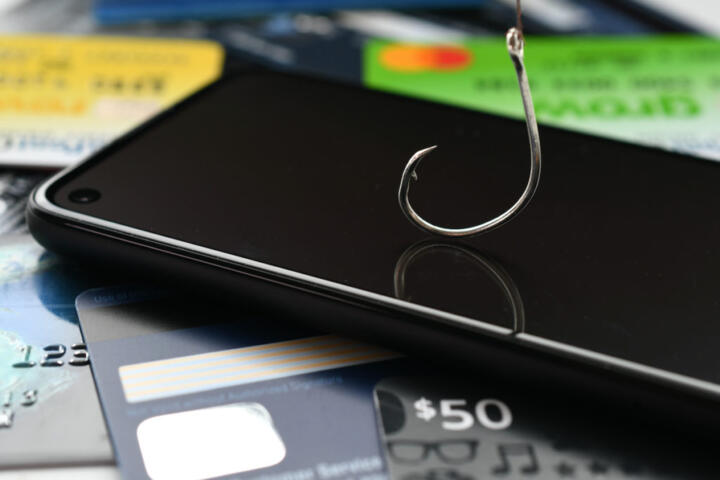
Gift card scams climbed to $682 million in losses in 2022 alone, according to the FTC. Fraudsters target major retailers such as Target, Walmart, and Amazon due to the easy convertibility of gift card balances. Criminals often spoof customer service calls or send phishing emails demanding gift card payments to resolve fake issues like tax debts or legal claims. The victim, desperate and confused, buys cards at gas stations or kiosks, then shares the card details, enabling instant theft.
Some schemes involve tampering with physical cards on store shelves, scraping the protective coating or replacing codes. The rise of digital gift cards has added new fraud vectors through hacking retailer systems or intercepting emailed codes.
More than 30% of adults have reported exposure to gift card scams, making it a frontline issue for consumer protection and retail security.
Key Challenges and Risks
Many victims misunderstand gift cards as secure, scam-proof, or reversible like credit cards. The truth: once redeemed, recovery is unlikely. Victims typically cannot dispute transactions with gift cards, unlike traditional bank charges.
Retailers face loss impacts from compromised gift card inventories, damaged consumer trust, and the need for costly fraud monitoring software upgrades. Smaller stores often lack resources to detect subtle alterations or track suspicious sale volumes.
Businesses also lose time and money refunding customers misled by scams, while tightening controls may frustrate genuine buyers with longer checkout processes.
Consequences extend beyond immediate financial loss. Repeat victimization runs high because scammers recycle stolen information or impersonate known contacts.
How to Reduce Scam Impact
Verify Purchases Through Receipt Validation
Requesting and cross-checking purchase receipts with registered gift card codes helps identify suspicious transactions early. Retailers using POS systems that scan and track gift cards in real time reduce the risk of reusing stolen cards. For example, Starbucks’ advanced digital tracking cut gift card fraud attempts by 40% in 2023.
Educate Employees on Scam Tactics
Training staff to recognize common scam approaches, such as urgent gift card demands by threatening callers, equips them to alert managers rather than comply. Regular refresher courses must cover evolving scam methods observed in the last six months; scammers innovate rapidly.
Limit Bulk Gift Card Sales
Setting daily or transaction limits on gift card purchases curtails large-scale fraud. Some stores enforce a $500 per day cap, which deters scammers seeking hundreds of thousands in quick theft.
Introduce Activation Delays
Implementing a mandatory 24-hour waiting period after gift card purchase before activation blocks immediate fraudulent use, thwarting scams that demand instant payment.
Use Secure Packaging for Physical Cards
Retailers can employ tamper-evident seals and holograms, which reveal signs of interference clearly. Walmart’s anti-tamper system launched in 2022 reduced shelved card skimming by 50% within the first year.
Monitor Online Gift Card Codes
Using automated scripts or services that crawl online marketplaces for stolen card codes prevents unauthorized resale on eBay, Craigslist or Telegram channels. This requires integration with cyber intelligence tools updated weekly.
Promote Direct Purchase of Digital Cards
Encouraging customers to buy digital gift cards directly from official retailer apps or websites limits exposure to tampering or third-party sellers.
Partner with Law Enforcement and Cybersecurity Experts
Sharing fraud pattern data allows quicker identification and shutdown of scam call centers and phishing networks responsible for gift card theft.
Enable Consumer-Prompted Reporting
Stores providing easy hotline numbers or online forms for customers to report suspicious gift card scenarios gather valuable early warnings of scam spikes.
Real Examples of Resilience
Case 1: A regional grocery chain in Georgia experienced a spike in calls demanding gift card payments for fictitious tax penalties. The chain implemented a step: called all customers paying by gift card to confirm purchase reasons. Scams dropped by 70% in four months. They also limited card purchases to $250 per transaction, halving losses.
Case 2: An electronics retailer detected repeated activation of gift cards stolen from their physical shelves. Using tamper-proof packaging and immediate online activation tracking, they identified three scammers and collaborated with the FBI, recovering 85% of losses in a six-month operation.
Control Measures Checklist
| Measure | Ease | Impact | Cost |
|---|---|---|---|
| Receipt Verification | Medium | High | Low |
| Employee Training | Easy | High | Medium |
| Bulk Purchase Limits | Easy | Medium | Low |
| Activation Delays | Medium | High | Low |
| Secure Packaging | Medium | High | Medium |
| Online Monitoring | Hard | High | High |
| Direct Purchase | Easy | Medium | Low |
| Law Enforcement | Hard | High | Low |
Frequent Errors and Fixes
Retail employees sometimes fail to enforce purchase limits or scan gift cards thoroughly, enabling fraud. Casual oversights include skipping activation protocols at busy times or ignoring tamper evidence on card packs.
Consumers fall prey by sharing card info in panic or trusting suspicious phone calls claiming to be IRS or store reps. Many don’t confirm requests independently, a mistake that translates directly to stolen funds.
Another error: delaying report of lost or stolen cards. Scammers accelerate use instantly. Reporting within 12 hours raises recovery odds.
Ignoring software update alerts for POS systems results in security gaps that fraudsters exploit. Keep updates current — an obvious tip often neglected.
Lastly, not educating customers on gift card safety practices leaves the door open for social engineering attacks, which cleverly target fear or urgency.
FAQ
How do scammers steal gift card info?
Common methods include phishing emails, fraudulent calls, tampering with physical cards on shelves, and hacking retailer databases for digital codes.
Can I recover money if scammed with gift cards?
Recovery chances are slim once card codes are shared or redeemed. Prompt reporting and police involvement may help but no guarantees.
Are digital gift cards safer than physical ones?
Not necessarily. Digital cards reduce physical tampering but are vulnerable to hacking and interception if emails or apps lack strong security.
What should stores do to reduce gift card scams?
Stores should train employees, limit purchase amounts, secure packaging, delay activations, and monitor suspicious online sales.
How can consumers protect themselves?
Buy cards directly from official sources, avoid sharing codes, verify requests via independent contact, and report suspicious activity immediately.
Author's Insight
In my years managing retail security, I've seen gift card fraud evolve faster than most anti-fraud measures. Real-world experience shows that human vigilance outpaces technology when staff and customers understand risks clearly. However, complacency is the enemy. I advise leaders to establish human checkpoints alongside tech solutions — software upgrades alone, no matter how hyped they are (ver 4.3.1 or otherwise), don't stop these scams.
Final Thoughts
Gift card scams drain billions from both consumers and retailers. But with clear policies—like purchase caps, activation delays, and employee training—many fraud attempts fail to take hold. Vigilance at the point of sale and proactive consumer education decrease successful scams dramatically. Act early, verify often, and stay alert to evolving scam tactics for the best defense.