Understanding Delay Rules
Flight delay compensation rules define when and how airlines must compensate passengers after disruptions. In the EU alone, Regulation 261/2004 entitles travelers to up to €600 for long delays, with delays over 3 hours as a common threshold. The US follows different aviation policies with less mandated compensation but requires clear communication and lodging for extended delays.
For example, if a flight from Paris to Berlin departs 4 hours late, passengers may claim compensation under EU law. Conversely, the same delay on a domestic US route often receives no payout but might trigger vouchers. These rules hinge not just on delay length but causality, flight origin, and airline type.
Modern carriers like Lufthansa or Ryanair publish their delay policies online, often supplementing the baseline regulations with additional services or credit options. The recent update in some regions now includes digital claim submission portals, speeding the refund time frame.
Common Misunderstandings
Many travelers incorrectly assume any delay triggers compensation. Airlines argue that delays caused by extraordinary circumstances, such as weather or air traffic control strikes, exempt them from payouts. This leads to frequent denial of claims, baffling passengers.
Ignoring the requirement that a delay must exceed specific hours—often 3—leaves people frustrated. For instance, a 2-hour delay on a transatlantic flight won't qualify for the €600 compensation, but it may entail meal vouchers or rebooking offers.
Another source of confusion comes from transfer flights. Passengers might think disruptions on connecting flights are covered if the second leg is late, but airlines limit compensation typically to the airline responsible for that leg.
Missed connections due to airline delay often fall under compensation rules, but missed flights due to passengers’ late arrival generally do not. The subtlety trips up many frequent flyers.
Actionable Solutions
Track Your Flight Status
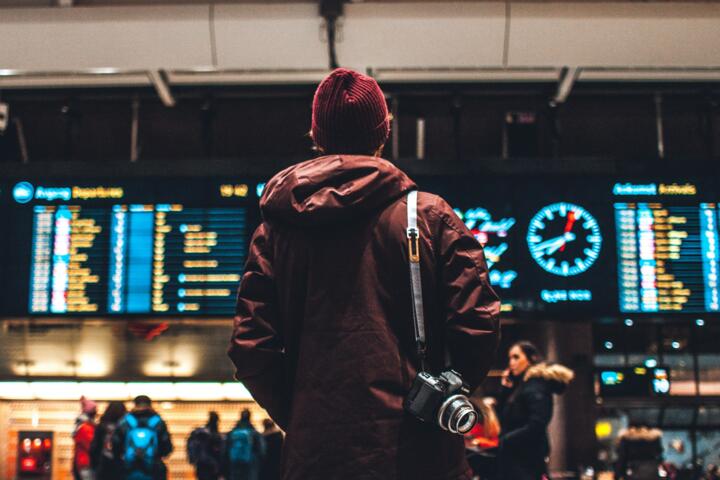
Use apps like FlightAware or official airline apps to monitor your flight live. Immediate awareness of delays allows quick reaction: rescheduling or claiming on-site. Airlines like Delta or Emirates update their statuses minute by minute. Real-time tracking also supports proving delay length ahead of claim processing.
Document Delays Meticulously
Record boarding gate announcements, take photos of wait times, and keep your boarding pass. Documentation strengthens claims and counters vague airline responses. Some travelers use voice apps to record announcements—a handy tactic in busy terminals.
Know Your Rights Regionally
Regulation 261 applies primarily within the EU and on EU airlines, but Canada’s Air Passenger Protection Regulations offer up to CAD 1000 for delays over 3 hours. Understanding these frameworks impacts your claim eligibility and choice of enforcement agency.
Initiate Claims Promptly
Most airlines have claim deadlines between 6 months to 2 years. File as soon as possible via airline websites or official complaint portals. Tools like AirHelp or Resolver assist with tracking disputes. Filing early often results in faster refunds or vouchers.
Use Alternative Dispute Resolution Services
If airlines reject claims unjustly (which, frankly, happens often), approach independent dispute bodies. Entities like the European Consumer Centre or AviationADR ensure cases get fair treatment without court involvement, saving weeks or months.
Request Specific Compensation
The law states fixed monetary amounts and meal/accommodation offers, but passengers can push for upgrades or travel vouchers if justified. For example, airlines occasionally offer higher-value travel credit to retain customer loyalty, an angle worth trying, especially for frequent flyers.
Consider Group Claims for Delays
Passenger groups affected by mass delays (e.g., 2018 Ryanair strikes) can file collective claims reducing individual effort. Specialist legal firms handle these at scale, improving negotiation power, though they take a legal fee.
Be Ready for Non-Compensable Delays
Delays caused by weather or security incidents often disqualify monetary payouts. Instead, focus claims on ancillary services like meal or hotel vouchers. Airlines sometimes overload this aspect, but politely insisting on rights usually helps.
Document Re-routing Efforts
If an airline offers alternative flights or reroutes you, keep proof of timing and communication. Compensation can be affected by how quickly the airline mitigates the disruption, and your cooperation can influence outcomes positively.
Delay Cases in Practice
Company: EasyJet, Problem: 3.5-hour delay causes passenger claims, Action: Passenger submitted claims with photo evidence of announcements, Result: Received €250 compensation after three weeks instead of initial airline denial. Filed via official website, which has a 6-month window.
Company: Air Canada, Problem: Flight delayed 5 hours due to crew scheduling, Action: Passenger used Air Passenger Protection Regulations to file claim, Result: Awarded CAD 1000 in compensation and meal vouchers issued during wait time. Claim processed within 45 days under revised 2019 policy.
Claim Process Checklist
| Step | Action | When | Resource |
|---|---|---|---|
| 1 | Check delay length | At boarding | Flight tracker app |
| 2 | Gather proof (photos) | During delay | Camera, Voice notes |
| 3 | Identify applicable law | Post-flight | Online government sites |
| 4 | Submit claim | Within 6 months | Airline site, AirHelp |
| 5 | Follow-up or escalate | After 30 days | Dispute body |
Typical Errors to Dodge
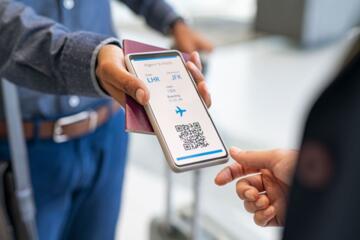
Claiming too late tops the list. Airlines often deny compensation after claim deadlines pass. Another frequent error: failing to keep physical tickets or e-boarding passes. This oversight complicates verification, sometimes leading to outright rejections.
Ignoring airline responses wastes valuable time. If your claim fails, respond immediately or seek dispute services. Using vague or incomplete personal contact details also stalls claims without your knowledge.
Submitting claims without detailed evidence of delay duration is common and reduces success rates. Lastly, some travelers file under the wrong jurisdiction, such as claiming US laws for an EU-based flight segment, which airlines reject outright.
FAQ
When am I eligible for compensation?
Compensation usually applies when the flight arrives at the destination with a delay of 3 hours or more, and the airline is responsible for the disruption.
Does bad weather qualify for compensation?
No, delays caused by weather or other extraordinary circumstances typically exempt airlines from paying compensation, but they must offer assistance like meals or hotel stays.
Can I claim if my flight is cancelled?
Yes, cancellations provide a right to refund, re-routing, and potential compensation unless the airline proves extraordinary circumstances.
How do I prove the delay caused by the airline?
Collect boarding pass, official announcements, and use flight tracking apps, plus keep any correspondence with the airline for evidence.
What is the maximum compensation amount?
Under EU law, compensation ranges between €250 and €600 per passenger depending on flight distance and delay length.
Author's Insight
From handling dozens of airline disputes, I’ve learned that persistence pays more than perfect paperwork. Airlines often reject claims swiftly but bending the process with solid evidence usually secures payouts. Tools like AirHelp help but tend to take a cut, and I prefer filing directly when possible. Getting claims resolved within two months is rare, expect delays beyond official timelines.
Key Takeaways
New flight delay compensation rules offer real monetary relief but require precise action from passengers. Track flight status, document thoroughly, and file claims promptly within jurisdictional deadlines. Avoid common pitfalls like late submissions or poor evidence to increase success rates. Use dispute services selectively, and hold airlines accountable by understanding your rights deeply.