Learning Tap-to-Pay Trends
Most transactions in the US now use some form of contactless payment. As of 2023, over 60% of card payments employ near-field communication (NFC) technology, allowing a quick tap at checkout terminals labeled with the contactless symbol. Starbucks reported that about 80% of payments in their stores come via tap-to-pay methods, including mobile wallets and contactless cards.
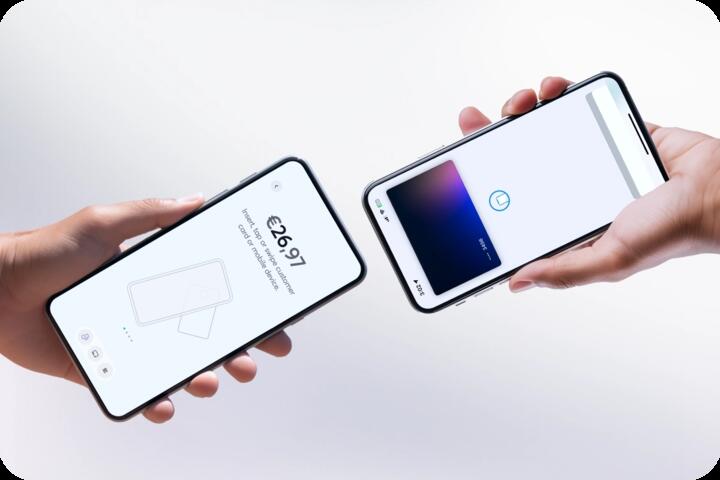
Tap-to-pay works by securely transmitting payment info from a card or device to a reader through NFC. No PIN or signature is required for transactions under $100 in many markets, which speeds up lines and reduces touchpoints.
Practical examples stand out. At a busy grocery store, tapping a Visa contactless card takes less than a second compared to inserting and waiting for chip verification. Public transit systems, such as New York’s MTA, now accept tap-to-pay through cards and mobile apps, replacing tokens and MetroCards.
The adoption rate, however, varies globally and by demographic. Older adults often rely on cash or swipe cards, while younger urban populations embrace tap-to-pay and smartphone wallets.
Challenges for Cash Users
Cash users face growing hurdles as tap-to-pay rises. Many merchants favor contactless payments to reduce handling cash, which stores have identified as a source of theft and counting errors. Some small retailers even refuse cash, especially in high-volume areas.
Cash takes longer to count and deposit, increasing labor costs for businesses. This leads to fewer registers accepting cash or slower service for cash payers, frustrating customers. Cash-only users experience longer wait times and sometimes feel unwelcome.
For example, in busy cafes and fast food chains, there are often separate lines for cash to avoid slowing down contactless payments. This creates an invisible segregation of payment methods.
Consequences include inconvenience and a creeping exclusion from efficient service. Lower-income individuals and seniors often fall into the cash-only category, making the shift to tap-to-pay a socioeconomic issue.
Practical Steps to Adapt
Use Reloadable Prepaid Cards
Prepaid cards with contactless capability serve as a bridge for cash users. They can load cash onto a card at convenience stores or banks and then pay with a tap. The Bluebird card from American Express and Green Dot cards are widely available options.
These cards reduce the need to carry cash but retain the user’s control over spending limits. Studies show increasing adoption among unbanked populations when these cards are introduced locally.
Choose Mobile Wallets with Cash Reload Options
Google Pay and Apple Pay support loading funds via linked debit or prepaid cards. Certain services, like PayNearMe, allow users to add cash to mobile wallets at nearby retailers, making them viable for regular tap-to-pay use even without a traditional bank account.
The convenience reduces friction and opens more merchants that accept NFC payments.
Look for Digital Bank Accounts Targeting Cash Users
Fintech banks such as Chime, Cash App, and Current offer accounts with tap-to-pay debit cards and streamlined mobile app controls. Many partner with retailers for cash deposits directly at their checkout.
Cash users should explore these options because they combine tap-to-pay ease with no-fee banking and tools to monitor spending.
Merchant Solutions for Cash Inclusion
Businesses can maintain some cash efficiency via integrated POS systems that segregate cash and card transactions but keep consistent register speed. Square’s POS solution can track cash drawer status alongside contactless payments.
Such tech reduces friction on the merchant side and lessens the frustration cash users face during checkout.
Understand Merchant Tap Limits
Tap-to-pay usually covers small and medium payments but often requires PIN above a $100 threshold. Cash users can manage larger payments with cash or chip cards, keeping tap-to-pay for everyday expenses.
Awareness helps avoid surprises at checkout and plan payment methods accordingly.
Check for Cashback Options
Some tap-to-pay cards and apps allow cashback during payment, like debit cards at grocery chains. This provides quick access to cash while benefiting from contactless checkout speed.
Using these combined tricks can ease the transition away from exclusive cash reliance.
Carry a Backup Payment Method
A secondary card or some cash remains wise as not every merchant accepts tap-to-pay or the user’s preferred device. For example, some rural or small-town businesses lag behind urban adoption.
This avoids headaches in emergencies or when devices malfunction.
Real-World Examples
Case 1: A regional fast-food chain replaced all cash registers with tap-to-pay-enabled terminals in 2022, resulting in 25% faster service lines and a 15% drop in errors. However, they also introduced cash-to-prepaid card reload stations to support cash customers, preventing alienation.
Case 2: A major public transit authority launched a tap-to-pay system alongside existing cash ticket sales. In two years, over 70% of riders shifted to contactless payment, but the agency maintained staffed cash booths to serve seniors and tourists, which helped avoid widespread complaints.
Checklist: Tap-to-Pay vs Cash
| Aspect | Tap-to-Pay | Cash | Notes |
|---|---|---|---|
| Speed | ~1 second | ~15-30 seconds | Faster for small amounts |
| Acceptance | 85% merchants US | 100% | Cash always accepted |
| Cost | Merchant fees apply | No fees | Cash less costly, risky |
| Security | Encrypted, contactless | Risk of loss/theft | Tap safer if lost |
| Accessibility | Bank/wallet required | Universal | Cash used by unbanked |
Payment Mistakes
Ignoring tap-to-pay growth forces awkward purchases or extra time. One mistake is carrying only cash without a backup tap card or device in urban areas, leading to refused service.
Another is attempting to tap without confirming merchant acceptance—some older terminals still reject contactless payments, which causes confusion and delays.
Failing to understand transaction limits on tap can also trip people up when paying bigger bills.
Overloading cash into prepaid cards without tracking can lead to lost funds, so keeping receipts and app records is wise.
Lastly, not updating mobile wallets or apps can cause failed transactions, especially after OS upgrades. For example, I saw a store decline a contactless payment on iOS 17 beta that, frankly, most people skip testing beforehand.
FAQ
Is tap-to-pay safe?
Tap-to-pay uses encrypted NFC data transmission and tokenization, reducing fraud risks compared to magnetic stripe cards or cash. Transactions often require device authentication for added security.
Can I use tap-to-pay without a bank account?
Yes, prepaid cards and some mobile wallets allow tap-to-pay without traditional bank accounts. You must load funds via cash or transfers to use them.
Why do some stores not accept tap-to-pay?
Some stores lack updated terminals or avoid fees charged by payment networks. Others may have technical issues or choose to limit payment types for workflow reasons.
Are there fees for consumers using tap-to-pay?
Generally, no. Merchants pay interchange fees, but consumers won't see direct fees for contactless payments with credit or debit cards.
How much can I pay with tap-to-pay?
In the US, transactions up to $100 usually require no PIN or signature. Above that, PIN or signature may be needed depending on card issuer and merchant.
Author's Insight
I have witnessed tap-to-pay adoption accelerate dramatically over the past five years. Shops avoiding cash move faster, but many neglect cash users’ needs. The switch is inevitable; cash users who adapt by exploring prepaid cards or mobile wallets report smoother transactions and less hassle. I recommend always carrying a reliable backup payment form, especially while traveling. Payment tech improves but fails without understanding local merchant readiness.
What to Remember
Tap-to-pay is redefining how purchases happen, largely replacing cash for everyday transactions. Cash users need to acknowledge this shift or face longer waits and restricted options. Using prepaid or digital options, carrying fallback methods, and knowing transaction limits will ease payments. Merchants benefit from supporting both cash and contactless to serve diverse customers. The future points to fast taps—but some cash might still save the day.