Rising ATM Fees Explained
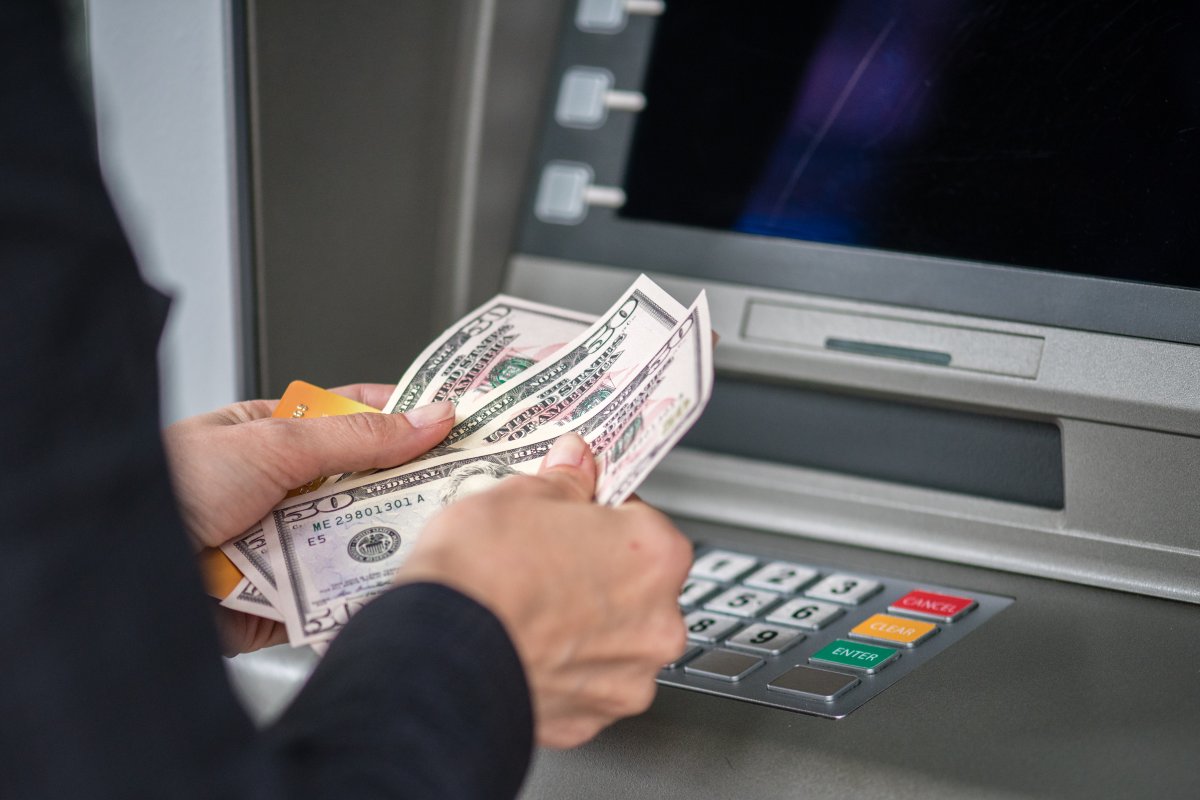
ATM fees have climbed steadily over the last decade, often catching consumers off guard. As of 2024, the average out-of-network ATM fee in the U.S. exceeds $4 per withdrawal, up from about $3.00 ten years ago. Many assume all ATMs charge the same, but fees vary widely based on ownership and bank relationships. For example, withdrawing cash at a bank outside your network typically incurs a ""foreign"" ATM fee, plus the ATM operator might tack on an additional surcharge. The combination can easily total $6 or more per withdrawal.
Fees are also rising due to banks extracting more revenue from ancillary services amid tighter margin pressures. When you retire cash from convenience kiosks at gas stations or malls, fees can reach absurd levels. This makes ATM use costlier compared to card payments or online transfers. If you withdraw cash frequently, these fees compound quickly—even if each transaction feels small.
For some, the fee rises exceed inflation rates, propelling consumer costs higher without clear benefits. Real examples show cash users pay over $300 annually in ATM fees, sometimes much more. That's money better kept in your wallet.
Fee Issues and Risks
Many people assume checking accounts cover all ATM uses or that fee notices are always upfront. Banks often bury these details where they get ignored—inside complex disclosures or online account agreements. The lack of transparency means people often pay fees unknowingly or accept them as inevitable costs.
Ignoring fees leads to repeated charges. People imagine fee rebates or forgiveness that rarely exist. They also underestimate cumulative impacts; withdrawing $20 repeatedly to avoid carrying cash backfires with per-use fees. ATM convenience sometimes costs more than planned.
The worst mistake happens when users depend on third-party ATMs during emergencies without knowing fees may hit double digits. This situation arises often during travel or sudden cash needs. These situations can wreck budgets, especially for those living paycheck to paycheck.
Smart Ways to Dodge Fees
Choose Accounts with No Fee Networks
Several banks offer accounts linked to extensive ATM networks with no surcharges. For instance, Ally Bank and Capital One provide access to thousands of free ATMs nationwide. Using these banks can eliminate both direct fees and out-of-network surcharges. Checking these network maps before opening help avoid fees upfront. People save $20+ monthly this way.
Use Cashback at Retailers
Many debit cards allow cash back when making purchases at grocery or convenience stores. This avoids ATM fees entirely. It's common at chains like Walmart or Kroger. Cashback limits vary but often reach $100 per transaction. Using this option means no ATM fees, plus sometimes you spend less cash overall.
Withdraw Larger Amounts Infrequently
Taking larger sums less often reduces the number of fees paid. Instead of withdrawing $20 five times with $3 fee each, a single $100 withdrawal saves money. Plan cash needs to minimize trips. It’s simple math, but people ignore it.
Enroll in ATM Fee Refund Programs
Some banks refund a portion or all of ATM fees quarterly. Charles Schwab and Ally Bank offer fee reimbursement worldwide on certain accounts. This recovers fees charged by third-party ATMs, a valuable perk for travelers or those often needing out-of-network cash. Terms vary and regularly change — check details carefully.
Leverage Mobile Payment Apps
Apps like Venmo, PayPal, or Cash App support free peer-to-peer transfers linked directly to bank accounts or debit cards. Using these means less need for cash withdrawals. Though not ATM fee dodging per se, reducing cash dependency lowers withdrawal frequency and fees by proxy. It’s a digital workaround until cash remains king.
Find Fee-Free ATMs Quickly
Use tools such as the Allpoint ATM locator or your bank’s app to find free ATMs nearby. These apps update frequently with ATM statuses, keeping users from blindly feeding surcharge boxes. The Allpoint network alone has over 55,000 machines globally. Carry default bank lists manually or offline, because phone service sometimes drops—annoying when you need cash urgently.
Maintain ATM Fee Awareness
Always review receipts or digital statements for unexpected ATM fees. Small repeated charges add up unnoticed. Checking monthly lets you identify patterns and adjust habits. For instance, a habit of withdrawing in convenience stores may explain repeated $3–$5 fees. Adjusting those small behaviors reduces costs quickly.
Real Examples of Fee Avoidance
A small online retailer’s founder once averaged $100 monthly ATM fees from multiple employees withdrawing petty cash. Switching all salaries to direct deposit and payroll cards eliminated cash needs. Monthly ATM fees dropped from $100 to $0.
One family traveling Europe used bank apps to find ATM networks accepted by their credit union. This saved roughly €50 over two weeks in fees compared to withdrawing everywhere indiscriminately. That’s a typically overlooked savings in travel budgets where fees balloon fast.
ATM Fee Checklist
| Action | Benefit | Where To Use | Cost Savings |
|---|---|---|---|
| Select no-fee bank | No surcharge | Nationwide ATMs | $20+ monthly |
| Use cashback | No ATM fees | Retailers | $3–5 per usage |
| Withdraw larger sums | Fewer fees | Any ATM | Save 10%–30% |
| Enroll fee refunds | Reclaims fees | Out-of-network ATMs | Up to $20 per quarter |
| Use locator apps | Free ATM finds | Anywhere | Avoid surprises |
Avoiding Common Errors
People often ignore network affiliations and assume all ATMs linked to their bank card are free. This leads to unnecessary fees. Checking your bank’s app or website each month prevents that. Mistakes happen when you withdraw small amounts repeatedly hoping to ""minimize"" loss, which, frankly, worsens fees quicker.
Another error? Using an ATM just because it’s convenient without checking fees first. Convenience costs -- trust me, I once fell for a $5 surcharge at a gas station just to get $20.
Failing to keep track of refunds or fee reimbursements also wastes money. Some banks require enrollment or spending thresholds to qualify. Miss this, and you lose free money.
FAQ
Why do ATM fees keep increasing?
Banks and ATM operators rely on fee income due to pressure on traditional revenue sources. With fewer branches and more online banking, ATM fees fill revenue gaps.
Are all ATM fees charged at the machine?
No, most fees have two parts: the ATM owner's surcharge and your bank's out-of-network fee, both appearing separately sometimes.
Can I avoid fees by using my bank’s ATMs only?
Yes, but only if you have convenient access. In many areas, bank ATMs are limited, forcing use of out-of-network machines.
Do prepaid cards charge ATM fees?
Often they do. Prepaid cards may have higher withdrawal fees, so read terms before using at ATMs.
What if I need cash during travel abroad?
Choose cards with global ATM fee refunds or network partnerships. Use ATM locators to find fee-free machines and minimize exchange markups.
Author's Insight
In my years managing financial products, I’ve seen ATM fees quietly erode budgets. Most people discuss overdraft fees but ignore ATM surcharges, which feel smaller but add up faster. Personally, I switched to a network with 55,000 free ATMs (Allpoint) and never looked back. Planning withdrawals and using cashback options saved me hundreds yearly. Being alert about these details — often overlooked — made the difference.
Key Takeaways
ATM fees rise relentlessly amid banking shifts and convenience pressures. Many pay avoidable charges due to contract fine print or withdrawal habits. Selecting accounts that refund fees, using cashback for purchases, and limiting ATM visits reduce costs drastically. Combine locator apps with bulk withdrawals to dodge common pitfalls. The goal: keep money in your wallet, not the ATM who’s pricing you out.