Smart Thermostat Impact
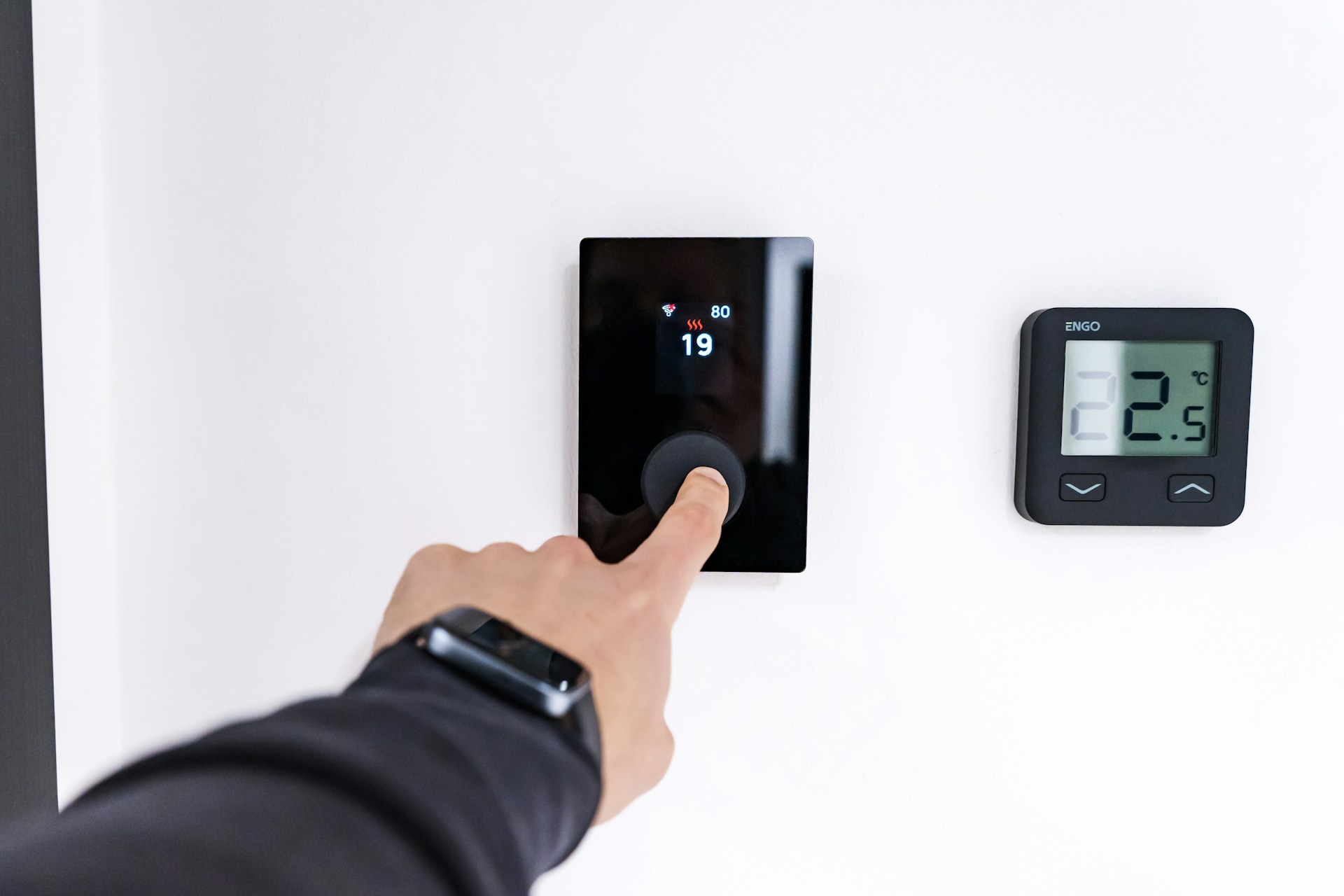
Smart thermostats adjust heating and cooling systems with more precision than traditional models. Devices like the Nest Learning Thermostat or Ecobee can learn household routines and preferences, automatically adjusting temperatures to save energy during idle times. According to the U.S. Environmental Protection Agency, these devices can reduce heating and cooling costs by around 10-12%, translating to an average saving of $131 annually on energy bills.
For example, a home that lowers its heating temperature by 7-10 degrees during the night can achieve significant savings. Smart thermostats automate this, avoiding human forgetfulness. Their adoption rose by over 20% from 2019 to 2023, as reported by the Consumer Technology Association, highlighting growing homeowner interest.
Common Cost Pitfalls
Many users expect instant, massive savings and become disappointed when bills don’t plummet immediately. They overlook that smart thermostats only optimize existing HVAC systems; poor insulation, outdated units, or drafty windows undermine benefits. Misconfigured schedules or overriding the system frequently also diminish savings.
Consider a family that leaves the thermostat set high during day-to-day routines because they manually adjust settings often, ignoring the learning features. Savings evaporate this way. Higher-than-expected bills can push homeowners to distrust the technology or disable smart schedules altogether, which defeats the purpose.
Failure to integrate thermostats with other smart devices like sensors or zone control makes the setup less efficient. House size and layout play roles too. The failure to recognize these variables leads to underwhelming energy reductions.
Steps for Better Savings
Set Realistic Goals
Expect modest monthly cuts of 10-15% in energy costs, rather than drastic dips overnight. Accept that savings grow as the system adjusts to patterns over weeks. This mindset prevents frustration and premature abandonment of the device.
Use Auto-Schedule Features
Allow the thermostat to learn occupancy and preferred temperatures instead of overriding manually. Nest’s version 5.9 enhanced its learning algorithms in 2023, improving cycle adaptation. This hands-off use maximizes efficiency by avoiding unnecessary heating or cooling.
Combine with Proper HVAC Maintenance
Clean or replace filters every 3 months and service the system annually. Smart thermostats can’t compensate for clogged ducts or low refrigerant. In practice, combining good equipment upkeep with smart controls can increase savings by a few percentage points.
Sync with Energy Utility Programs
Many utilities offer rebates or demand response incentives that smart thermostats tap into. For example, customers in California enrolled in PG&E’s SmartAC program see average savings of 500 kWh per cooling season. Participating means thermostats adjust during peak hours to lower strain on the grid and bills.
Use Remote Control Sparingly
Manual remote changes, especially in the early weeks after installation, disrupt learning. Avoid making changes based solely on immediate comfort; trust gradual adjustment. This habit is hard to break, but rewards grow when followed.
Zone Heating and Cooling
Pair smart thermostats with zone control to heat or cool individual areas based on occupancy, reducing waste in unused rooms. Ecobee’s SmartSensor, for instance, can detect presence and temperature in rooms distant from the main unit. Systems using this method report up to 15% additional savings on bills.
Monitor Energy Reports
Many devices and their apps generate detailed energy use reports. Reviewing these helps identify unusual usage spikes or misuse. This insight, paired with adjustments, can improve savings over time. The reports sometimes show time-of-use pricing too, informing better scheduling.
Insulate and Seal First
Without good building envelope performance, a smart thermostat mostly modulates leaky or poorly insulated airflow. Invest in sealing leaks before relying mainly on smarter controls. The combination is what cuts costs most reliably.
Choose the Right Model
Some thermostats are better for specific systems: heat pumps, radiant heat, or forced air. Ecobee and Nest both list system compatibility explicitly. Picking the wrong type reduces effectiveness and can confuse HVAC units.
Real Savings Examples
A family in Boston upgraded to a Nest Learning Thermostat in 2022. Before, their average monthly bill was $180. After six months, bills dropped to $160, then $145 later, totaling a 20% saving over winter with minimal manual adjustments.
In another case, a small business in Austin installed Ecobee smart thermostats to control multiple zones. Their cooling costs decreased by 18% in summer 2023. Integrating occupancy sensors prevented conditioning empty offices after hours, cutting waste visibly and measurably.
Comparison Table
| Feature | Nest Learning | Ecobee SmartSensor | Honeywell Home |
|---|---|---|---|
| Learning AI | Yes | No | Limited |
| Zone Control | No | Yes, via sensors | Limited |
| Mobile App | Full | Full | Full |
| Cost Range ($) | $130-$250 | $170-$300 | $100-$200 |
| Supports Heat Pump | Yes | Yes | Partial |
Errors to Avoid
Ignoring the device instructions often causes issues. For instance, skipping calibration or sensor setup causes inaccurate readings and erratic comfort. Many users disable eco modes because they misunderstand them as too uncomfortable, but tweaking temps slightly achieves balance without waste.
Changing settings too frequently blocks the learning curve. Wait at least 7 days between major schedule adjustments. Assuming a smart thermostat can fix a malfunctioning HVAC without repair is misleading. Smart does not equal miraculous.
Installing a thermostat in direct sunlight or near heat sources distorts sensor data and wastes energy. Place devices in central locations, like hallways or living rooms but out of drafts.
FAQ
Can smart thermostats save money immediately?
Savings build over weeks as the device learns patterns. Initial bills may not drop sharply but improve gradually.
Do I need a new HVAC system?
No, but older or poorly maintained systems limit savings. Regular service helps maximize benefits.
How do smart thermostats handle vacations?
Most have vacation or away modes that reduce conditioning to minimum levels, cutting energy use while away.
Which brands work with solar power?
Many, including Nest and Ecobee, integrate with solar monitoring apps to optimize energy consumption based on production.
Will remote control raise my bills?
Excessive manual overrides confuse learning algorithms, which can lead to more energy use over time.
Author's Insight
From hands-on installations, I've noticed users struggle most with patience in letting these thermostats learn. My advice: commit to minimal intervention early on. Also, pairing these devices with insulation upgrades and HVAC tune-ups produces surprisingly steady savings. The technology is smart but not magic—you need care on the setup and operation. Watching energy reports is a simple, overlooked habit that consistently yields results.
What to Remember
Smart thermostats reduce energy bills when used thoughtfully alongside maintenance and home sealing. Set modest goals, trust automatic schedules, and avoid overriding regularly. Choose compatible models and integrate sensors for zone control. Utilities rebates may amplify savings. Keep devices well placed and monitor usage reports to adjust over time. The benefits grow slow but steady, rewarding those who let the technology work as intended.