Solar's Growing Appeal
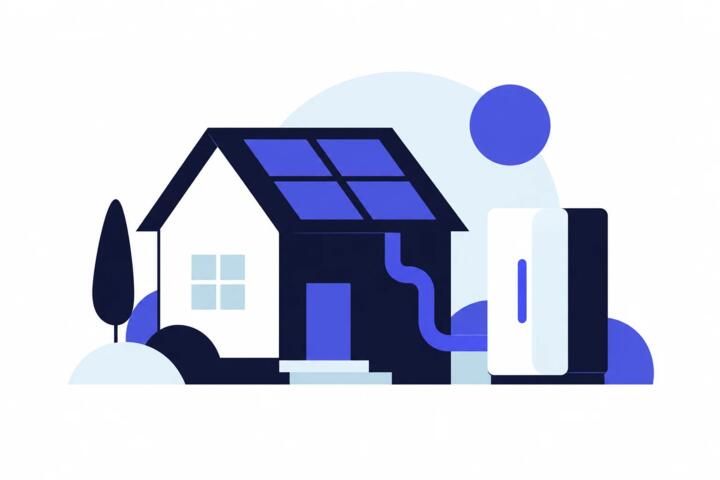
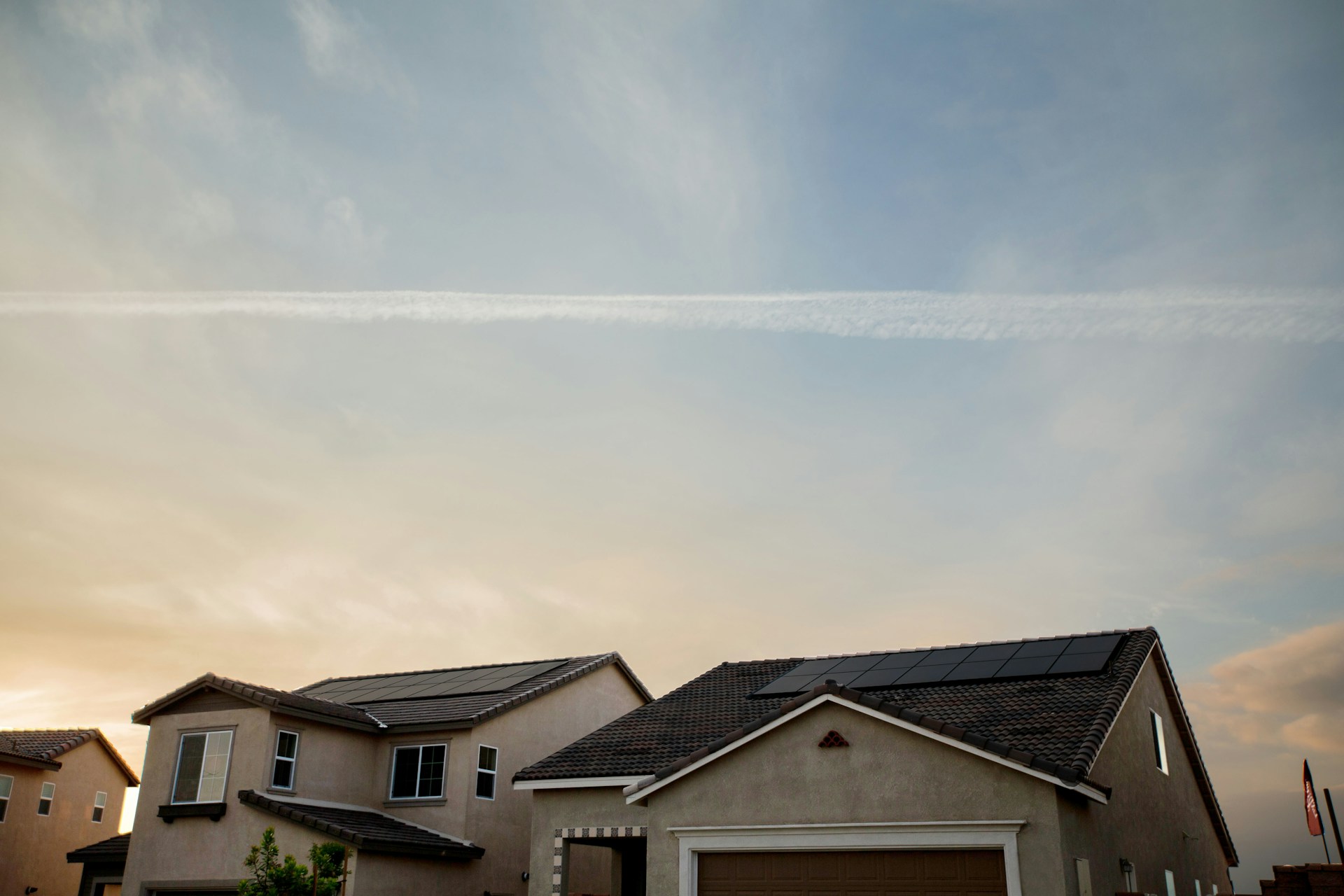
Solar panels have surged in popularity, with over 3 million U.S. households using them as of 2023. Homes in sunny states like California and Arizona see the highest adoption rates, but even northern states are catching up thanks to dropping equipment costs. Installing solar goes beyond cutting power bills — it modifies how households draw energy, sometimes making them more self-sufficient during outages. You can see panels on more rooftops everyday.
A 2022 report from the Solar Energy Industries Association showed average residential solar systems cost around $17,000 after incentives. That sounds steep until you consider utility savings and rising electricity prices. Still, understanding what you save depends on your local rates, sunlight hours, system size, and financing method.
Common Misconceptions
Many believe solar eliminates electricity costs entirely. That’s rarely true unless the system is oversized and paired with batteries. Most households will cut their bill by 40%-70%, but still pay basic service fees. They often underestimate maintenance, inverter replacement, or panel degradation — usually around 0.5% efficiency loss yearly.
Another mistake: the value of net metering. Some states credit excess power sent back to the grid at retail rates, but others pay cents on the dollar. That difference can shift savings by $300 annually or more. People might expect a quick break-even, ignoring that some incentives expired or shifted after the Inflation Reduction Act was passed.
Missing the impact of shading is another frequent problem. Even partial tree cover or a neighboring building can reduce output dramatically. Panels don’t just need sun; they need consistent exposure unless you pay a premium for high-performance models.
Tips to Maximize Savings
Choose Efficient Panels
Opt for panels with tested efficiency rates above 20%. Brands like SunPower and LG consistently offer higher efficiency. Higher output means fewer panels, smaller footprint, and faster payback. For example, a SunPower system can produce 1,400 kWh per year per kW installed, which is 10% more than standard models.
Explore Financing Options
Cash purchases save the most money long term, but leasing or power purchase agreements lower upfront costs. Consider a solar loan with fixed rates near 6%, if you prefer ownership without draining savings. An average loan increases total spend by about 15% but still yields 25-year utility savings above $15,000.
Use Solar Battery Storage
Adding a battery like Tesla Powerwall 3 can store excess power to use at night or during outages. Batteries add $10,000 or more upfront but cut grid reliance substantially. That means you save on demand charges and keep your home running during blackouts, valuable in areas with frequent storms.
Monitor Energy Use Closely
Smart apps linked to solar inverters provide real-time generation and consumption data. Tesla’s app or Enphase Enlighten, for instance, reveal when panels are underperforming or shaded. Catching issues early avoids lost savings and keeps panels running near peak output.
Maintain Panels Annually
Cleaning panels once a year prevents up to 5% efficiency loss from dust or debris. In dusty regions like Nevada, cleaning twice a year can increase generation noticeably. Maintenance is simple: wash with plain water and soft brush. No harsh chemicals needed.
Maximize Time-of-Use Rates
Some utilities charge higher rates during peak hours. Using solar energy directly or stored battery power during those times minimizes mains power costs. You save more by aligning your electric vehicle charging or water heating with midday solar production.
Install Adequate System Size
A 6 kW system typically meets 70% of a medium home's annual needs. Upsizing slightly, especially with future electric appliance plans, avoids buying more power later. Oversizing by 10%-20% is usually a bargain versus potential rate hikes in the next decade.
Review Incentive Programs
Federal tax credits currently cover 30% of solar installation costs. States add rebates or property tax exemptions that drop net prices further. California’s SGIP program, for example, offers up to $1,000 for storage installation. Staying updated on local incentives makes a direct impact on payback.
Do Energy Audits First
Reducing consumption through LED bulbs or smart thermostats complements solar benefits. Running an audit from companies like Home Energy Saver prevents oversizing and saves money on panels you don't need. Cut waste first, then add solar.
Solar Savings in Action
A family in Phoenix installed a 7 kW system in 2021. Electricity bills dropped from $180 monthly to $50 on average. Yearly savings totaled $1,560. Accounting for a $21,000 installation cost with local incentives, they expect a full payback in 11 years. By year 15, they’ll have profited $7,000 after 25 years, factoring in maintenance.
Meanwhile, a Boston homeowner added a 5 kW solar array and Tesla Powerwall late 2022. Their grid reliance dropped 65%, but upfront costs hit $35,000. Higher than planned, yet the battery allowed blackout protection during record winter storms in January 2024, which saved both food and sanity.
Savings Checklist
| Factor | Effect | Tip | Example |
|---|---|---|---|
| System Size | Power generated | Slightly oversize your system | 6 kW = 70% usage |
| Panel Quality | Efficiency & longevity | Choose 20%+ efficiency brands | SunPower, LG |
| Incentives | Lower initial cost | Apply for all credits | 30% federal tax credit |
| Shading | Output reduction | Trim trees, avoid shade spots | Partial shading lowers ~25% |
| Battery Storage | Energy independence | Add if blackout risk high | Tesla Powerwall 3 |
Avoid These Errors
Not accounting for roof direction kills performance. South-facing roofs with 15-degree tilt work best; east or west reduce generation 20%-25%. Ignoring this means paying the same amount for less energy. Don’t overlook inverter quality either. Cheap inverters malfunction more and lose efficiency; a premium microinverter from Enphase lasts longer and boosts output.
Skipping a home energy audit before panels prompts oversized installations. That wastes money on extra equipment and longer payback. Also, failure to check local policies leads to surprises: some jurisdictions require permits that add delay and costs, which, frankly, most people skip discovering early enough.
Lastly, neglecting panel cleaning saps power silently. One disgruntled friend I know waited two years for a technician to note bird droppings covering 10% surface. Trust me, inspect yearly or pay to maintain.
FAQ
How fast does solar payback occur?
Typically between 8 to 12 years when factoring incentives, system size, and local electricity costs. After payback, energy is essentially free.
Do solar panels work on cloudy days?
Yes, panels produce about 10-25% of their rated output on overcast days, depending on cloud density.
Can I install solar if my roof is shaded?
Partial shade reduces efficiency significantly; optimizers or microinverters help mitigate but don’t fully fix shading losses.
Are maintenance costs high for solar systems?
Regular cleaning and an inverter replacement once in 15 years are the main costs, generally low compared to utility savings.
Is battery storage necessary for savings?
Not strictly, but batteries increase savings during peak utility rate periods and provide backup power during outages.
Author's Insight
Installing solar changed how I track energy from utilities to rooftop panels. I saw savings cap at about 65% of total electricity costs without batteries, which, frankly, surprised me. Battery addition raised savings but doubled upfront costs, so I advise weighing blackout risk carefully. I recommend monitoring with apps like Enphase Enlighten to catch dips early. Few things beat the satisfaction of watching your meter spin backward in real time.
Summary
Solar brings solid savings yet demands realistic expectations on upfront costs, system sizing, and maintenance. Choose efficient panels, explore financing carefully, and consider storage for blackout protection. Stay alert to incentives and avoid shading traps. Annual cleaning and energy audits boost every dollar saved. Take these steps to see meaningful bill reductions and long-term returns from your investment.