Phones Became Coaches
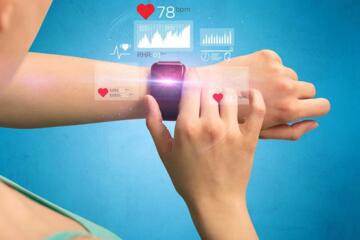
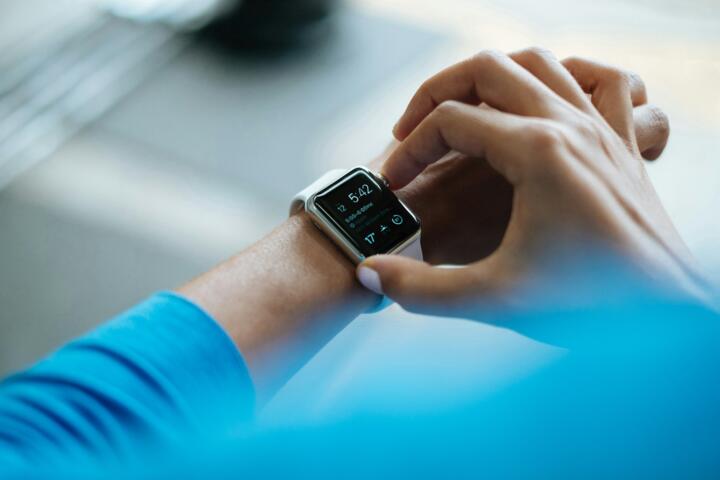
A decade ago, most health apps counted steps badly and drained your battery by noon. Now they track heart rate variability, menstrual cycles, blood oxygen, stress spikes, and sleep stages down to the minute. Apple, Google, Samsung, Fitbit, and Garmin turned phones and watches into constant health companions.
The adoption numbers moved fast. More than 350,000 health apps are now available globally, according to IQVIA research. Smartwatch shipments crossed 200 million units worldwide in recent years, and many users check health dashboards before checking email in the morning.
That changes habits quietly.
People walk differently when a wrist buzz reminds them they have sat for 52 minutes. They eat differently when calorie totals stare back at them after dinner. Even hydration became quantified. A water bottle and thirst used to handle that relationship...
The shift goes beyond fitness culture, too. Parents monitor children’s sleep. Office workers compare stress readings after meetings. Couples compete over daily steps during vacations. Health tracking slipped into ordinary routines without much resistance because the tools arrived disguised as convenience.
Why The Appeal Stuck
Most people do not wake up wanting data. They want reassurance. Health apps sell the feeling that your body has become more understandable.
A smartwatch tells someone they slept 6 hours and 14 minutes. A running app says their pace improved by 11 seconds per mile. A meditation app reports a 19-day streak. Those tiny measurements create momentum because progress suddenly looks visible.
Numbers change behavior fast.
The apps also remove friction. Logging meals once required notebooks or desktop software. Now people scan barcodes inside MyFitnessPal while standing in grocery aisles. Couch to 5K apps guide beginner runners with audio prompts timed to the second.
Some tools genuinely help people notice patterns they ignored for years. Someone realizes caffeine wrecks sleep after 2 p.m. Another spots elevated resting heart rate before getting sick. Diabetics track glucose levels in near real time through connected monitors.
Still, the appeal has a darker edge. Many users stop trusting their own instincts. Instead of asking “Am I tired?” they ask the app first.
Habits That Changed
Walking became measurable
The 10,000-step goal spread globally because pedometers and fitness apps pushed it constantly. The number itself came from a Japanese marketing campaign in the 1960s, not a medical breakthrough, yet it reshaped behavior worldwide.
Apple Watch rings, Fitbit badges, and Samsung Health reminders turned walking into a visible achievement instead of background movement. Office workers pace kitchens at 9:40 p.m. because they want the circle closed before midnight.
The psychology works.
Researchers from Stanford found activity trackers increase physical activity by more than 1,800 steps daily on average. That translates into roughly 80 extra calories burned each day, though results vary heavily by age and consistency.
Sleep became performance
Sleep tracking exploded once wearables improved. Oura Ring, Whoop, Garmin, and Apple Watch all market recovery scores that reduce rest into percentages and color-coded readiness charts.
Some people finally started taking sleep seriously because of those numbers. Bedtimes shifted earlier. Alcohol consumption dropped before workdays. Users noticed how late-night scrolling wrecked recovery metrics.
Then obsession appeared.
Sleep specialists even coined a term for anxiety caused by chasing perfect sleep data: orthosomnia. People wake up feeling rested, check the app, see a low score, and suddenly feel exhausted anyway.
Food logging changed eating
Apps like MyFitnessPal, Cronometer, Lose It, and Noom transformed calorie tracking from a niche bodybuilding habit into something ordinary. A person eating lunch can estimate protein intake within 15 seconds.
That visibility helps some users lose weight steadily. Studies from the National Institutes of Health show food journaling correlates strongly with weight-loss success because awareness interrupts automatic eating patterns.
But logging every almond gets exhausting. Some users drift toward guilt-driven behavior where meals stop feeling social and start feeling mathematical.
Stress tracking entered workdays
Stress used to feel abstract. Health apps converted it into graphs. Garmin watches estimate stress through heart-rate variability. Fitbit and Pixel devices push breathing prompts during tense periods.
A lot of office workers now check stress readings after presentations or difficult meetings. Some companies even subsidize wellness apps through employee benefit programs.
That sounds helpful until workers begin monitoring themselves constantly. A stressful day becomes another metric to optimize instead of an experience to process normally.
Not every feeling needs scoring.
Meditation went mainstream
Headspace and Calm changed meditation from something associated with retreats and yoga studios into a phone habit squeezed between meetings. Calm reportedly surpassed 150 million downloads globally, helped by celebrity narrators and short guided sessions.
The convenience matters. A 7-minute breathing session fits into train commutes and lunch breaks. Users who never would have attended meditation classes suddenly try mindfulness because the barrier feels low.
Yet streak culture creeps in here too. Missing three days can feel strangely defeating for an activity supposed to reduce pressure.
Cycle tracking reshaped planning
Apps like Flo and Clue gave millions of women easier ways to track periods, symptoms, ovulation, and fertility windows. For some users, these tools uncovered long-term hormonal patterns they had struggled to explain during doctor visits.
Cycle tracking also changed daily planning. Some athletes adjust workouts around hormonal phases. Others schedule travel or demanding workdays differently based on recurring symptoms.
The data became intimate fast.
Privacy concerns followed. After changes in abortion law across parts of the United States, digital rights groups warned users that reproductive data stored inside apps could become legally sensitive in certain situations.
Health communities replaced forums
Many health apps now blend tracking with social feeds. Strava users post cycling routes. Peloton riders compare rankings. Fitbit friends compete over weekly totals.
Competition motivates people who struggle with consistency alone. A runner skips fewer workouts when friends can see inactivity for 6 straight days. Peloton built an entire business around this dynamic.
But comparison spirals happen quickly online. Someone recovering from illness opens an app and sees marathon training screenshots from strangers before breakfast.
Where Apps Helped Most
One area where health apps genuinely changed outcomes is diabetes management. Continuous glucose monitors connected to smartphone dashboards help users react to blood sugar swings within minutes instead of hours.
Dexcom and Abbott systems now alert users before glucose crashes become dangerous. Parents of children with Type 1 diabetes often monitor readings remotely overnight. That would have sounded futuristic 15 years ago.
The mental relief matters.
Another example came during the pandemic, when telehealth and symptom-tracking apps surged. People booked appointments, monitored oxygen levels, and tracked vaccine records directly from phones. Adoption jumped because visiting clinics became harder and riskier.
Fitness apps also benefited older adults more than many expected. Walking reminders, medication alerts, and simple movement tracking gave retirees lightweight structure without requiring gyms or complicated programs.
Not every trend turned positive, though. Researchers increasingly warn about health anxiety linked to constant self-monitoring. Some users check pulse readings dozens of times daily, interpreting normal fluctuations as warning signs.
Good Habits Vs Noise
| Habit | Upside | Risk | Fix |
|---|---|---|---|
| StepCount | More movement | Compulsion | Flexible goals |
| SleepData | Earlier bedtime | Anxiety | Ignore scores |
| FoodLogs | Awareness | Obsession | Track briefly |
| StressApps | Reflection | Overchecking | Limit alerts |
Common Tracking Traps
The first mistake is assuming more data automatically creates healthier behavior. It often creates more attention instead. Those are different things.
People also buy expensive wearables before building basic routines. Someone spending $399 on a smartwatch while sleeping 5 hours a night and skipping meals is solving the wrong problem.
Start with consistency first.
Another trap involves copying influencer routines directly from apps or social feeds. Elite athletes can tolerate training loads and fasting schedules that ordinary office workers cannot. Recovery metrics from professional cyclists do not belong in everybody’s life.
Users should also watch privacy settings closely. Many health apps collect location history, biological information, and behavioral patterns. Read permissions before syncing everything automatically across devices.
Then there is notification overload. A phone buzzing 40 times daily about hydration, standing, mindfulness, calorie targets, and stress defeats the point of wellness pretty quickly.
Silence half the alerts.
FAQ
Do health apps actually improve fitness?
They can. Studies show activity trackers and habit apps often increase movement and awareness, though results depend on long-term consistency rather than short bursts of motivation.
Are smartwatch heart readings accurate?
Most modern devices are reasonably accurate for resting heart rate and trends over time. They are less reliable for diagnosing medical conditions without professional evaluation.
Which health apps are most widely used?
Apple Health, Google Fit, MyFitnessPal, Fitbit, Strava, Calm, Headspace, Flo, and Samsung Health remain among the largest platforms globally.
Can health tracking increase anxiety?
Yes. Constant monitoring can make some users hyperfocused on normal bodily fluctuations. Sleep scores and heart-rate readings trigger stress in certain people instead of reassurance.
Should people track everything?
Usually no. Tracking works best when tied to one or two clear goals, such as improving sleep consistency or walking more often. Measuring every possible metric tends to become exhausting.
Author's Insight
I think health apps work best when they stay in the background instead of becoming tiny managers on your wrist. The healthiest users I know check trends occasionally, adjust habits gently, and then move on with the day. The least relaxed users stare at dashboards constantly and panic over every bad sleep score.
I still like step tracking because it nudges movement without much mental noise. But I have also watched people turn recovery metrics into a personality. That road gets strange quickly...
Summary
Health apps changed ordinary behavior by turning movement, sleep, food, stress, and recovery into visible data. Millions of people now rely on phones and wearables to shape decisions that once depended mostly on instinct.
Some of those changes improved routines dramatically. Others created pressure, comparison, and obsessive tracking habits. The healthiest approach usually sits somewhere in the middle: use the data when it helps, ignore it when it starts running your life.