A new EU law will make an under-seat bag free on EU departures, but a roller bag can still cost extra. This guide sets out what Regulation (EU) 2026/2202 actually requires from October 2027, why the much-reported free 7 kg cabin bag did not make the final text, and which trips it does not cover, such as British Airways flights from London. It compares carry-on rules at 14 US and European airlines as listed on their own pages in October 2026: sizes in inches and centimeters, weight caps, and which cheapest fares include a full-size bag. It also shows why a US 22-inch roller can fail a European sizer, and works through bag costs for a family of four.
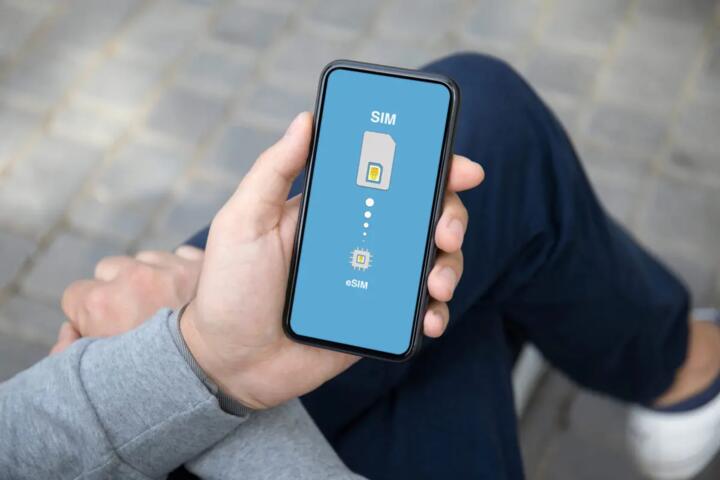
International roaming used to feel like a hidden tax on travel: take one short trip abroad and come home to a phone bill that had crept up by €60 or more without any warning. The arrival of eSIMs changed the equation. Instead of hunting for a plastic SIM card or accepting expensive carrier add-ons, travelers can activate a plan in minutes, often at local data rates. You can choose a network, install the profile, and be connected before the plane even touches down. Compared with that flexibility, traditional roaming now seems slow, costly, and surprisingly inflexible.
Flight cancellations now feel less chaotic for passengers inside the EU, yet confusion still shows up at the airport desk. Under EU Regulation 261/2004 and updated enforcement practices, travelers departing from or arriving in the EU can claim refunds or compensation in many cancellation cases. A short-haul disruption can trigger €250 payouts, while long-haul routes may reach €600. Knowing timing rules, documentation steps, and airline obligations changes how fast you recover money and rebook.