Every year, millions of travelers get stuck dealing with airport delays, and it’s easy to feel unprepared when plans suddenly change. This guide is for both frequent flyers and occasional vacationers who want to stay calm, organized, and in control when flights don’t go as scheduled. You’ll learn the most common reasons delays happen, the planning mistakes that can make them worse, and simple, practical strategies to protect your time, reduce stress, and keep your trip on track even when you’re forced to wait.
New EU and Mexico pet rules took effect in 2026, adding deadlines for US owners traveling with dogs and cats. Since August 3, dogs entering Mexico need a screwworm inspection certificate issued within 5 days, and since October 1, pets flying into the EU travel on a new EU health certificate. Both sit on top of the CDC rule that every dog entering the US must be at least 6 months old, microchipped and covered by a CDC Dog Import Form receipt. The article sorts the rules by trip type, walks through a dated timeline for a dog going to France and back, explains what returning from Mexico or a high-risk country adds, and corrects the tick-treatment myth for the UK.
For years, travel points felt like a reliable shortcut to free flights and hotel stays - but lately, many travelers have noticed they don’t go nearly as far as they used to. This article breaks down what’s driving the drop in redemption value across airline, hotel, and credit card loyalty programs, and why “great deals” can quietly cost more than expected. You’ll learn the common traps that drain value, how to identify sneaky devaluations and hidden fees, and what practical moves can help you get more out of your rewards (or avoid wasting them altogether).
TSA still caps carry-on liquids at 3.4 ounces, but several airports abroad now accept bottles up to 2 liters. A September 2026 report that TSA may let PreCheck members keep full water bottles at some CT-equipped airports made headlines, but nothing official has changed at US checkpoints. This explainer sets out what the 3-1-1 rule still requires, why CT scanners change how bags are screened but not the US size limit, which UK and EU airports have moved to 2-liter containers, and how exemptions work for baby milk, medications and sealed duty-free bags on connections. It ends with a packing checklist for round trips that cross different rule sets.
More and more airlines are nudging - or outright pushing - passengers to use their official apps for check-in, mobile boarding passes, seat changes, and real-time flight alerts. This article explains what’s driving that shift, from cost savings and staffing changes to data collection and smoother gate operations. It also looks at what this means for travelers in the real world: battery anxiety, spotty airport Wi‑Fi, app glitches, passport/visa checks, and accessibility concerns. Whether you’re a frequent flyer, a travel planner, or someone who follows the aviation industry, you’ll come away with a clearer picture of the benefits, the headaches, and how to handle app-first travel without getting caught off guard.
New Google Flights data says the day you fly saves about 10 times more than the day you book. On October 5, 2026, Google reported that leaving on a Monday and returning on a Tuesday or Wednesday has cost about 14% less than weekend trips, while the cheapest day to buy saved only 1.4%. This explainer shows why weekdays and weekends price differently, from business demand and TSA crowd counts to how airlines ration cheap seats, and where that pattern breaks down. It sets Google's figures against Expedia's and KAYAK's, explains how hotels follow a different weekly rhythm, and sums up what tests of incognito browsing have and haven't found. Two worked examples put the savings in dollars.
Basic Economy fares are no longer a niche experiment. They now sit at the bottom of booking pages across major airlines, quietly reshaping what travelers get for the lowest ticket price. The trade-off looks simple on the surface, yet it changes everything from boarding order to luggage rules. If you fly even twice a year, these restrictions can reshape how you plan trips and how much you actually pay once the trip is done.
Flight delay compensation has changed noticeably in recent years. Where airlines used to steer travelers toward vouchers, complicated paperwork, and drawn-out complaint processes, newer regulations in the EU and the United States are increasingly pressuring carriers to provide cash refunds for major delays and cancellations. For frequent flyers, this shift can make a real difference: even a couple of disrupted trips each year may now result in money back rather than restrictive travel credits that expire or go unused.
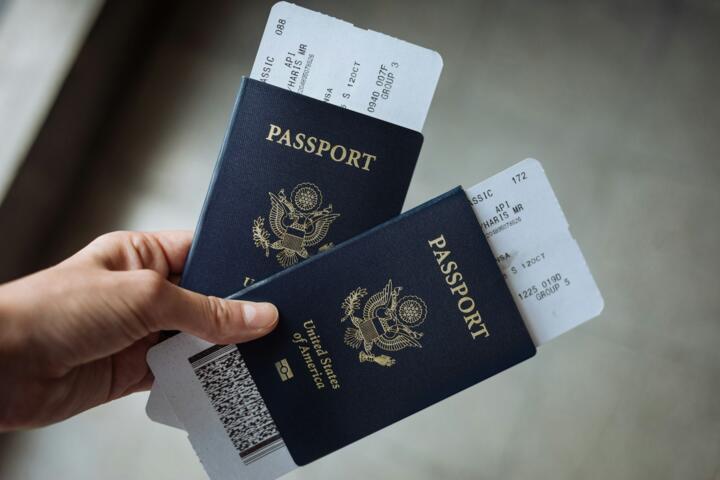
US passport applications are moving online, but trips this winter still run on today's rules. On September 29, 2026, the State Department announced online first-time passport applications and a 2028 redesign, weeks after proposing to open online renewal to Americans abroad. None of that is live yet. This explainer sorts announced plans from rules already in force: who can renew online now and why doing so cancels the old passport, the $130 adult fee and the up-to-10-week mail-in timeline, the Schengen three-month validity test, the sex-at-birth marker policy now that the court injunction against it is gone, and what Global Entry members and returning citizens should do at the border.
Travel insurance is moving from optional add-on to something travelers actively check before booking flights and hotels. Rising medical costs abroad, stricter visa requirements, and more frequent trip disruptions are changing how people plan travel. This article explains why coverage is getting harder to ignore and what actually matters in a policy. It is written for anyone booking international or expensive trips who does not want surprise costs later.