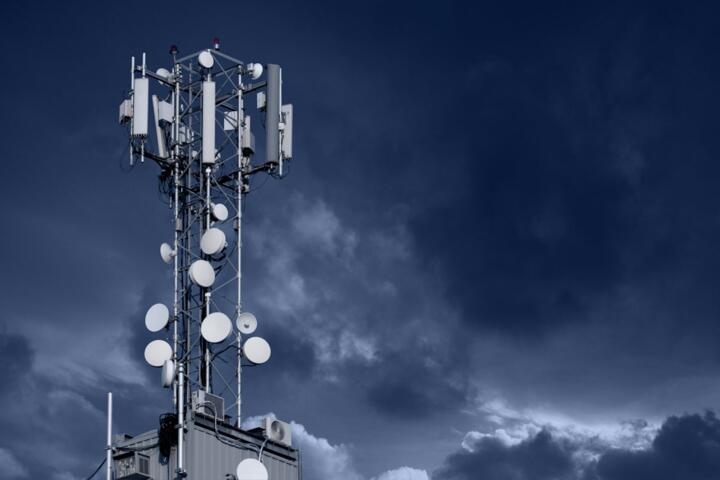
5G arrived with giant promises: self-driving cars, remote surgery, cities packed with smart sensors. Regular phone users got something less cinematic. Faster downloads, steadier video calls, lower lag in crowded places, and a quiet shift in how people use mobile internet every day. The changes are real, though uneven. Some people barely noticed 5G at all. Others stopped thinking about Wi-Fi outside the house.
AI chatbots moved from novelty to daily habit in less than 3 years. Students use them to study, small businesses draft emails with them, and customer service departments quietly replaced parts of their support teams with automated assistants. The hype gets loud fast, though, and many people still do not understand what these systems actually do, where they fail, or why companies are pouring billions into them. This guide breaks down the real uses, the limits, and the tradeoffs behind the chatbot boom.
Phones do not die all at once anymore. First the security patches stop, then banking apps complain, then the battery drains faster after every update you can still install. Millions of Android and iPhone owners are using devices that no longer receive software support from Apple, Samsung, Google, or Motorola. If your old phone is approaching that line, you still have options - and some are cheaper than replacing the device immediately.