The Network Shift
When carriers first pushed 5G ads around 2019, the marketing sounded futuristic enough to launch a moon mission. Download movies in seconds. Control robots remotely. Transform cities. Meanwhile, regular people mostly wanted Google Maps to stop freezing in train stations.
That gap between hype and reality shaped the entire rollout. The biggest changes turned out to be practical, not dramatic. Mobile internet became more dependable in crowded areas. Upload speeds improved. Video calls stopped collapsing quite so often during rush hour.
Small improvements add up.
In the United States, median 5G download speeds passed 200 Mbps on several major carriers by 2024, according to Ookla testing data. That is far ahead of average 4G LTE performance from the late 2010s. Yet coverage still varies wildly by neighborhood, building materials, and even the side of the street you stand on.
People expected flying cars. What they mostly got was Instagram uploading before the elevator doors opened.
Where People Felt It
The clearest difference appeared in crowded places. Stadiums, airports, downtown business districts, music festivals — locations where old LTE networks often turned into sludge under heavy demand.
5G handles congestion better because carriers can move more data across wider chunks of spectrum. In practice, that means thousands of people can post videos after a concert without watching upload bars crawl for 90 seconds.
The improvement became obvious during live events. At the 2024 Super Bowl, Verizon reported customers used more than 50 terabytes of mobile data inside the stadium area alone. Ten years ago, many networks would have folded under that traffic.
Latency dropped too.
Most users never talk about latency, but they notice it indirectly. Apps open faster. Cloud gaming responds better. FaceTime calls feel less awkward because the delay shrinks from noticeable to barely there.
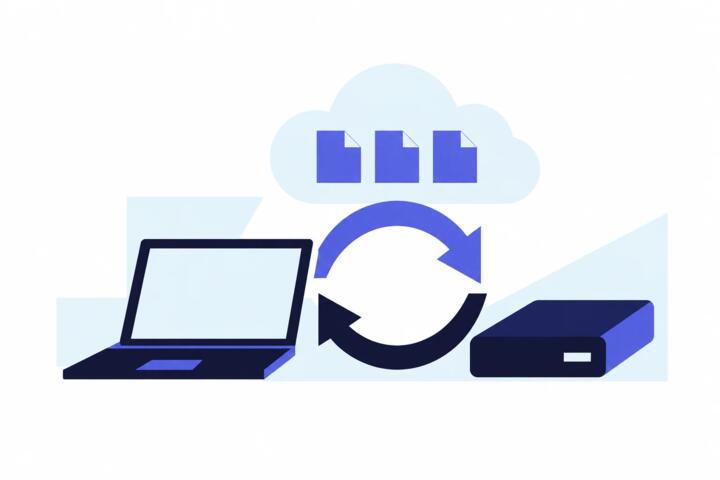
Remote work changed the equation as well. During the pandemic years, people discovered they could tether laptops to phones during outages, travel, or bad home internet stretches. 5G made mobile hotspots usable for tasks that once required fixed broadband.
Not perfectly. But close enough...
What Improved Daily
Streaming outside the house
Before widespread 5G, high-quality streaming on mobile data often felt risky. Video buffered unpredictably, especially on trains or during evening congestion. Now many users stream 1080p or even 4K video on mobile networks without thinking twice.
T-Mobile heavily expanded mid-band 5G coverage across the U.S., and that spectrum turned into a sweet spot between speed and range. In many suburbs, mobile speeds now rival older home broadband packages.
People noticed fewer interruptions more than raw speed numbers. That is usually how network upgrades work in real life.
Hotspots became practical
5G hotspots changed travel routines for freelancers, consultants, and remote workers. A decent signal can support Zoom calls, Slack, cloud backups, and browser-heavy workloads from a hotel lobby or parked car.
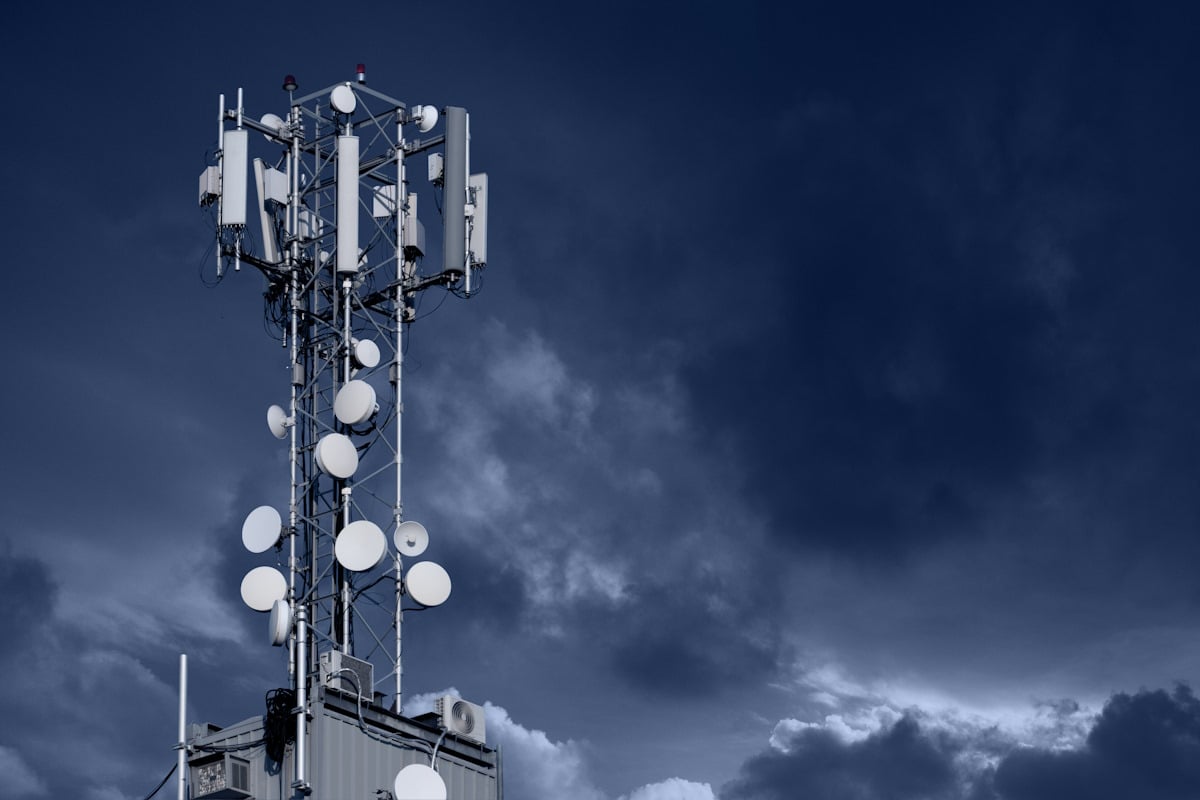
AT&T and Verizon both pushed fixed wireless home internet using 5G towers instead of cable infrastructure. By early 2025, millions of households had switched, partly because setup took less than 30 minutes and pricing undercut traditional cable plans.
Some rural areas benefited most.
Gaming stopped fighting delay
Mobile gaming revenue crossed $90 billion globally in recent years, and faster networks played a role. Multiplayer games became smoother on cellular connections because latency often dropped below 30 milliseconds on strong 5G networks.
That does not mean every game suddenly became esports-ready on the subway. Dead zones still exist. Network handoffs still wobble. But cloud gaming services like Xbox Cloud Gaming and Nvidia GeForce Now became far more usable away from Wi-Fi.
The difference felt immediate.
Uploads got faster
Most people focus on download speeds. Upload performance quietly changed more daily habits.
Posting videos to TikTok, Instagram, and YouTube from a phone used to involve waiting. Sometimes a lot of waiting. With stronger 5G coverage, creators can upload multi-gigabyte clips from cafés, parks, airports, and event venues without hunting for public Wi-Fi.
That shift helped fuel the explosion of mobile-first content creators over the last few years.
Navigation apps improved
Google Maps, Waze, Uber, and transit apps rely on constant data exchanges. Faster and steadier mobile networks reduced the weird lag that once happened in dense downtown areas or during major events.
Drivers now expect rerouting updates instantly. Riders expect live bus locations accurate within seconds. Delivery workers depend on these systems constantly. A delayed map refresh can cost money now, not just convenience.
Expectations climbed fast.
Home internet competition appeared
For years, many neighborhoods had only one realistic broadband option. Cable companies knew it. Customers knew it too.
5G fixed wireless internet disrupted that pattern in some cities. Verizon 5G Home and T-Mobile Home Internet gave households another choice, often costing $40 to $70 monthly without contracts or technician visits.
Cable providers suddenly started offering retention discounts once customers had somewhere else to go.
Battery life got complicated
Early 5G phones drained batteries aggressively. The first-generation Qualcomm modems were fast but power hungry, and users noticed phones heating up during heavy data sessions.
Newer chips improved a lot by 2023 and 2024. Apple, Samsung, and Google optimized modem efficiency enough that most users stopped thinking about it daily.
The early complaints mattered, though. They slowed excitement during the first wave of adoption.
The Gap Between Ads
Some consumers expected instant transformation after buying a 5G phone. Instead they discovered three annoying truths.
First, coverage maps exaggerated reality. A carrier could advertise “nationwide 5G” while much of that network relied on slower low-band frequencies that barely felt different from strong LTE.
Second, phone upgrades mattered. Early budget 5G devices often used weaker modems and antennas. Two people standing side by side could get completely different performance.
Third, the fastest versions of 5G — especially millimeter wave — worked only in tiny coverage pockets. You could hit 2 Gbps near a stadium entrance, then lose that speed 40 feet later behind a concrete wall.
Physics still wins.
That mismatch created skepticism around 5G marketing. Surveys from JD Power and Pew Research showed many consumers could not clearly explain what changed after upgrading phones.
The answer turned out less dramatic than carriers promised but more useful than critics admitted.
5G By The Numbers
| Area | 4G | 5G | Effect |
|---|---|---|---|
| Streaming | Buffering | Smoother | Less waiting |
| Gaming | High lag | Lower lag | Faster play |
| Hotspots | Limited | Usable | Remote work |
| Uploads | Slow | Faster | Quick sharing |
Common User Mistakes
A lot of people upgraded phones expecting miracles while staying on old data plans with throttling caps. Faster networks do not help much if carriers reduce speeds after 20 or 30 GB of monthly usage.
Another mistake was assuming every “5G” icon meant the same thing. Low-band, mid-band, and millimeter wave networks behave very differently. Marketing compressed all of them into one symbol in the corner of the screen.
That confused almost everyone.
People also ignored battery settings. Many phones now include smart network management that balances LTE and 5G automatically. Forcing constant 5G connections in weak-signal areas can still drain batteries faster than necessary.
Then there is the Wi-Fi issue. Some users abandoned reliable home Wi-Fi completely after getting strong 5G service, only to discover indoor cellular performance collapses behind thick walls or underground parking structures.
The smarter setup uses both.
FAQ
Did 5G really make phones faster?
Yes. In many areas, download and upload speeds improved dramatically compared with older LTE networks. The biggest gains usually appear in crowded locations and strong mid-band coverage zones.
Why do some people barely notice 5G?
Coverage quality varies heavily by region, carrier, and phone model. Some low-band 5G networks feel only slightly faster than strong LTE connections.
Can 5G replace home internet?
For some households, yes. Fixed wireless 5G internet now supports streaming, gaming, remote work, and video calls in many suburban and rural areas.
Does 5G drain batteries faster?
Early devices struggled with battery efficiency. Newer phones improved a lot, though weak-signal areas can still increase power consumption during constant 5G use.
Was the original 5G hype exaggerated?
Mostly, yes. The rollout improved mobile internet in practical ways rather than transforming daily life overnight. The changes became noticeable gradually through speed, reliability, and lower latency.
Author's Insight
I think the most interesting part of 5G is how invisible the real improvements became. People rarely wake up excited about lower latency or steadier upload speeds. They just stop complaining once apps respond faster and connections fail less often.
I also noticed expectations changed almost immediately. Once mobile hotspots became reliable enough for work calls and cloud documents, people started treating internet access as permanent infrastructure instead of something tied to a building. That shift feels bigger than the advertisements ever did.
Summary
5G did not transform ordinary life in the cinematic way carriers promised during the rollout years. It made mobile internet faster, steadier, and more dependable in crowded places. Streaming improved. Hotspots became realistic work tools. Uploads sped up. Competition in home broadband finally appeared in some markets.
The biggest change may be psychological. People now expect strong internet almost everywhere, and they get irritated much faster when it disappears.