Connecticut stores that scan faces must now post signs, but in most states nobody has to tell you. The Connecticut rule took effect October 1, 2026, and it is one patch in an uneven map. At airport checkpoints, US citizens can decline the photo. Since December 2025, noncitizens, green card holders included, may be required to be photographed when entering or leaving the country. In stores, stadiums and apartment lobbies, your rights depend on where you live: Illinois requires written consent and lets people sue, while Texas, Colorado and Washington add consent rules that exempt many security and anti-fraud uses. The guide also shows why false matches pile up as watchlists grow and how to opt out of Clearview AI and PimEyes.
EV charging is no longer just an “auto industry” topic - it’s becoming a major technology and infrastructure challenge. With global EV adoption now topping 10 million vehicles, the focus is shifting to what happens after the sale: reliable charging networks, seamless software and payment compatibility, and the ability of local power grids to handle growing demand. This article explores the real-world hurdles these systems face, and the opportunities they create for drivers, businesses, charging providers, and utilities as the charging ecosystem scales.
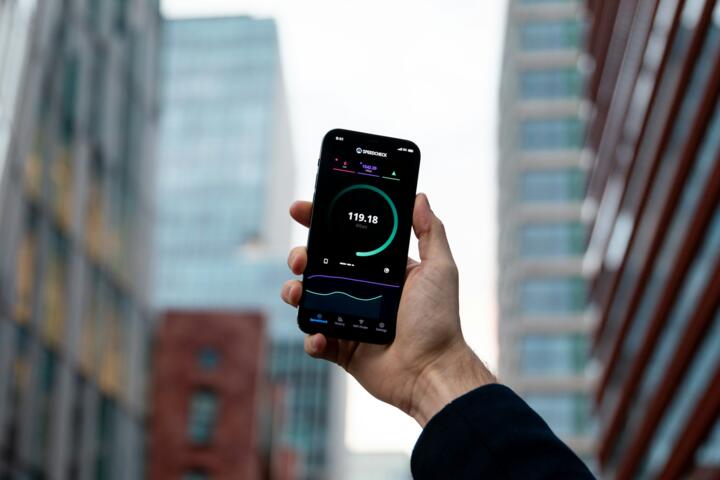
Many people confuse internet speed with WiFi speed, expecting their wireless connection to match the speed their provider advertises. This article explains why those speeds differ, detailing how WiFi technology, environmental factors, and network equipment impact the real user experience. Designed for anyone frustrated by slow wireless connections despite paying for fast internet, it offers in-depth insights and actionable tips.
App Store fee changes might sound like inside-baseball for developers, but they can quickly show up in your everyday phone life. This article breaks down the new rules and what they mean in plain terms: how app prices may shift, why some subscriptions could change (or get reworked), and how billing and renewals might look different going forward. It also explains why certain apps may add new payment options, tweak features, or even limit availability in specific regions. By understanding the ripple effects now, both users and developers can better prepare for upcoming updates, potential cost swings, and a more complicated subscription landscape.
Google opened its SynthID AI checker to all on October 7, but a clean result doesn't prove a file is real. Studies from 2021 to 2026 put numbers on how often people misjudge AI faces, cloned voices and generated video: a September 2026 preprint found viewers caught the newest fake videos only 52.6% of the time, and most of the detection models it tested scored close to chance. Here is what the research shows, which checks still work (SynthID, Content Credentials, platform labels, reverse image search) and what each result does and does not prove. It also covers where US law stands on AI voice robocalls, impersonation and digital replicas, and gives a short routine for urgent calls, viral clips and payment requests.
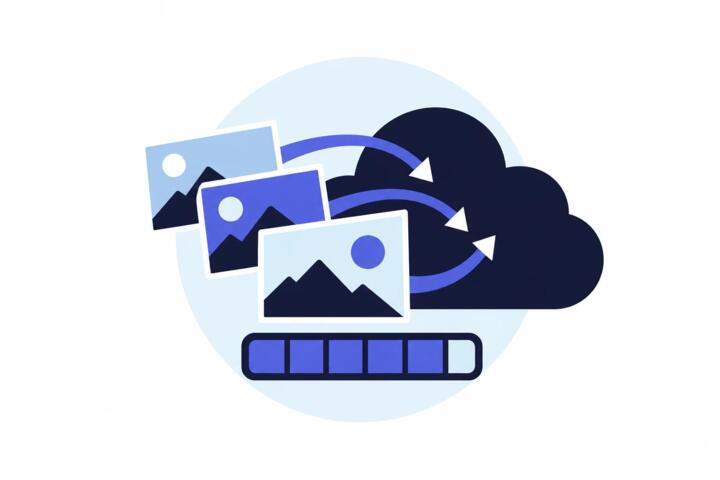
Apple's iOS 27 makes new Shared Albums count against the owner's iCloud storage, at full resolution. That change sits alongside older rules that decide what happens to a photo library on each big service: Google Photos counts new uploads toward a shared allowance of up to 15 GB, Amazon keeps photos unlimited only while Prime lasts, Google and Amazon set two-year clocks for deleting content, and Apple's iCloud terms allow closing an account after one year without use. The piece compares how iCloud, Google Photos and Amazon Photos count pictures, what each does when you go over quota or stop paying, how to move a library between Apple and Google, how to share without revealing location, and what a local copy on an external drive costs next to a cloud plan, with prices checked in October 2026.
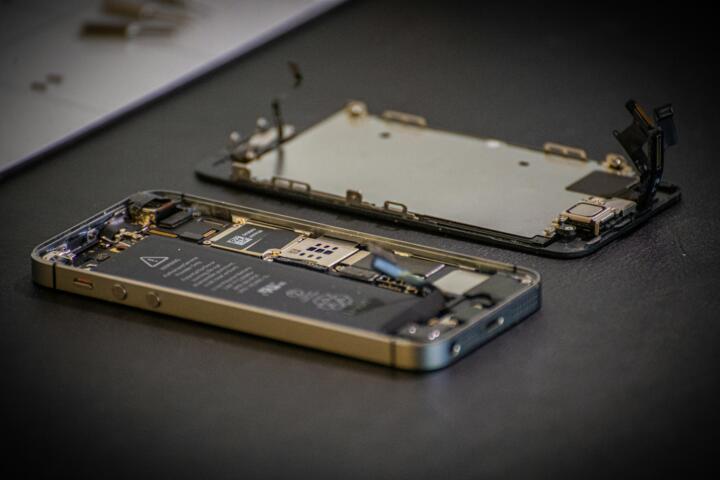
New regulations and industry shifts are altering how consumers can fix their personal electronics. This article breaks down what changed, what users should watch out for, and how to act to maintain control over device repairs. Whether it's smartphones, laptops, or appliances, knowing your repair rights can save money and reduce hassle. Learn real examples, common challenges, and practical steps to get repairs done right.
Buying software isn’t as simple as it used to be. Instead of paying once and owning a version forever, more products now come as monthly or yearly subscriptions - and that change affects everything from budgeting to long-term control. This article breaks down how subscription plans compare with traditional perpetual licenses, including hidden costs, update and support expectations, and what happens if you stop paying. You’ll also get practical guidance to help you choose the model that fits your needs, whether you’re an individual user or managing tools for a team.
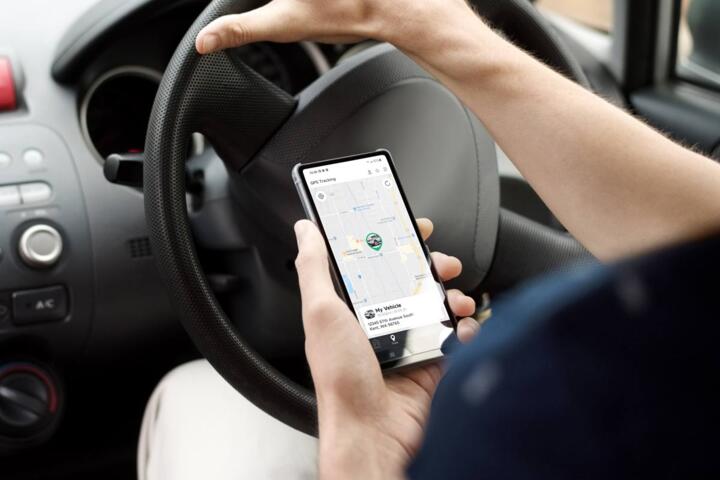
Your phone has tracked you for years through weather apps, shopping apps, games, and ad networks most people never notice. Now the rules around location access are shifting after lawsuits, Apple and Google policy changes, and pressure from regulators in the U.S. and Europe. The result sounds good on paper, but it also created new loopholes, murkier permissions, and more confusion for everyday users. If you carry a smartphone - which means almost everyone - the way apps collect and sell your movements just changed in ways you can actually control.
Scam calls used to sound sloppy. Misspelled bank names, robotic voices, fake IRS threats that fell apart after two questions. That version is fading. Modern scammers clone voices, spoof local numbers, reference real purchases, and send text messages that look nearly identical to alerts from Amazon, FedEx, Chase, or Apple. The result is a different kind of fraud problem - one built around timing, familiarity, and panic. Even careful people get caught now.