Why Sleep Took Over
Ten years ago, sleep advice lived in the background of wellness culture. You heard vague warnings about getting “enough rest,” then everyone went back to glorifying hustle. That tone changed fast after the pandemic years, when millions of people noticed how badly stress, screens, and fractured schedules wrecked their nights.
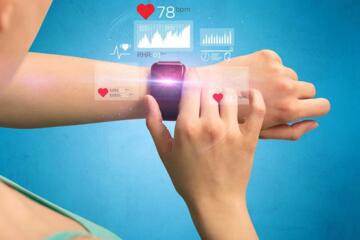
Now sleep sits near the center of health conversations. Apple Watches track sleep stages. Oura Rings score recovery. TikTok is packed with “sleepmaxxing” routines involving mouth tape, cooling pads, tart cherry juice, and magnesium glycinate.
The market exploded quickly.
The global sleep economy is projected to exceed $580 billion by 2030, according to Horizon Grand View Research estimates covering mattresses, wearables, supplements, and sleep clinics. That growth follows a miserable trend: roughly 1 in 3 adults in the United States reports not getting enough sleep on a regular basis, according to CDC data.
People are not chasing sleep because it sounds virtuous. They are chasing it because poor sleep leaks into everything else. Appetite changes. Focus collapses. Anxiety gets louder at 2 a.m. Workouts feel heavier. Even minor frustrations start sounding personal...
What Exhaustion Really Does
Sleep deprivation rarely arrives dramatically. Most people adjust downward in tiny steps. Six hours becomes normal. Then five and a half. Then weekend sleeping turns into recovery work instead of rest.
The body keeps score anyway.
Research from the American Academy of Sleep Medicine links chronic sleep loss with higher risks of obesity, hypertension, Type 2 diabetes, depression, and cardiovascular disease. One rough night will not destroy your health. Months of fragmented sleep can.
Cognitive decline shows up faster than people expect. Studies comparing sleep-deprived adults with legally intoxicated drivers found similar reductions in reaction time and decision-making after about 20 hours awake. Yet tired people often insist they are “fine.” That confidence is part of the problem.
Modern habits amplify the damage. Phones stay inches from our faces until midnight. Streaming platforms autoplay the next episode before you even think about it. Slack notifications arrive at 10:47 p.m. because someone in another time zone finally logged on.
The brain never fully clocks out.
There is also a social angle people avoid discussing. Fatigue changes relationships. Short sleep increases irritability and emotional reactivity, which means small disagreements stretch longer and patience shrinks faster. Couples fight more when both people are exhausted. Parents snap quicker. Friends cancel plans because they feel drained before leaving the house.
How People Are Fixing It
Cut light earlier
Bright light at night delays melatonin production, especially blue-heavy light from phones and tablets. That part is well established now. The harder part is behavior.
Many people still scroll until the second they try sleeping. Then they wonder why the brain feels alert. Dim lights 60 to 90 minutes before bed instead. Use warmer bulbs. Lower screen brightness aggressively after sunset.
Small shifts help quickly.
Some people also move charging stations outside the bedroom entirely. That sounds extreme until you realize the average person touches their phone more than 2,600 times per day.
Cool the room down
Sleep improves when body temperature drops slightly. Most sleep researchers recommend bedroom temperatures somewhere between 60 and 67 degrees Fahrenheit.
Cooling mattresses from companies like Eight Sleep turned this idea into a booming category. They are expensive — often above $2,000 — but demand surged because overheating wakes people repeatedly without them realizing why.
You do not need futuristic bedding, though. Lighter blankets, breathable sheets, and a fan near the bed often change sleep quality more than another supplement stack.
Stop treating caffeine casually
Caffeine hangs around longer than people think. The half-life averages about 5 to 6 hours, meaning a 4 p.m. cold brew can still affect the nervous system near bedtime.
That afternoon pickup hides the real issue.
People feel tired from poor sleep, drink more caffeine, then sleep worse the next night. The cycle feeds itself quietly. Cutting caffeine after noon helps many people within a week, though the first few days can feel brutal.
Energy drinks make this worse because some contain 200 to 300 milligrams of caffeine per serving. That is closer to a chemical negotiation than a casual beverage.
Keep wake times stable
Consistency matters more than most people expect. Sleeping from 11 p.m. to 7 a.m. during weekdays and then 2 a.m. to 11 a.m. on weekends creates a mild social jet lag effect.
The body likes rhythm.
Sleep specialists often recommend fixing the wake-up time first instead of obsessing over bedtime. Wake at the same hour daily, including weekends, and the body gradually starts building sleep pressure more predictably at night.
Shift workers face a harder challenge here. Blackout curtains, white noise machines, and carefully timed naps become survival tools instead of lifestyle accessories.
Watch alcohol closely
A drink at night can make people feel sleepy. That is different from sleeping well. Alcohol fragments sleep architecture and suppresses REM sleep later in the night.
Many people notice this indirectly through 3 a.m. wakeups, elevated heart rates, or vivid restless dreams after drinking. Fitness trackers exposed this pattern to a wider audience because users started seeing overnight recovery scores collapse after even two glasses of wine.
The data surprised people.
Use wearables carefully
Sleep tracking devices brought awareness to habits that once went unnoticed. Oura, Whoop, Fitbit, Garmin, and Apple all turned overnight recovery into a visible metric.
That awareness helps until it becomes obsessive. Some users now stress over “bad sleep scores” so intensely that the anxiety itself harms sleep. Researchers even coined a term for it: orthosomnia.
Use trackers for trends, not perfection. A rough Tuesday does not mean your nervous system is collapsing.
Move during the day
Regular exercise improves sleep depth and duration for many adults, though timing matters. Intense workouts too close to bedtime leave some people wired for hours afterward.
Morning sunlight plus movement works surprisingly well because it anchors circadian rhythms from two directions at once. Even a 20-minute walk outdoors after waking can improve evening sleep onset later that night.
Simple habits still matter.
What Companies Noticed
Large employers started paying attention after seeing how fatigue affected productivity, healthcare claims, and burnout rates. Some firms now include sleep coaching inside wellness benefits alongside therapy and nutrition support.
Calm and Headspace expanded heavily into sleep content during the last five years. Airlines redesigned crew rest protocols after studies connected fatigue with operational risk. Even hotels began marketing “sleep tourism” packages featuring blackout suites, soundproofing, and circadian lighting systems.
Consumer behavior changed too. Mattress company Saatva reported strong growth in luxury mattress sales above $1,500 as shoppers shifted from treating beds like furniture to treating them like health equipment.
The language around sleep changed first.
People once described rest as laziness. Now executives talk openly about recovery metrics, HRV scores, and burnout prevention. That cultural shift may explain why sleep apps crossed hundreds of millions of downloads globally within just a few years.
Sleep Habits Compared
| Habit | Effect | Cost | Speed |
|---|---|---|---|
| DarkRoom | Better rest | Low | Fast |
| LateCoffee | Poor sleep | Medium | Slow |
| CoolRoom | Fewer wakes | Low | Fast |
| FixedWake | Stable rhythm | None | Medium |
Where People Go Wrong
The biggest mistake is hunting for complicated solutions before fixing obvious habits. People buy supplements, weighted blankets, and sunrise alarm clocks while still drinking espresso at 6 p.m. and sleeping beside a glowing phone.
Another mistake comes from perfectionism. Sleep is not a machine where every night scores 100 out of 100. Some nights feel lighter because stress, hormones, travel, or life changes interfere. Chasing flawless recovery data every morning becomes its own source of stress.
Stop doom-scrolling at midnight.
Many people also underestimate medical causes of fatigue. Sleep apnea affects millions of adults and often goes undiagnosed for years. Loud snoring, gasping during sleep, morning headaches, and crushing daytime exhaustion deserve actual medical attention, not another melatonin gummy.
There is also a strange modern habit of treating exhaustion like status. People brag about functioning on 4 hours of sleep as if biology negotiates with ambition. It does not.
FAQ
How many hours of sleep do adults need?
Most adults function best with 7 to 9 hours per night, according to major sleep organizations. Individual needs vary slightly, but regularly sleeping under 6 hours raises health risks over time.
Do sleep trackers really work?
They can help identify trends around bedtime, wake frequency, and recovery patterns. Consumer wearables are not perfect medical devices, though, so the numbers should be treated as estimates instead of exact measurements.
Is melatonin safe every night?
Short-term melatonin use appears safe for many adults at low doses, but long-term nightly use deserves a conversation with a healthcare professional. Many over-the-counter doses are far higher than necessary.
Why do I wake up at 3 a.m.?
Stress, alcohol, blood sugar fluctuations, anxiety, room temperature, and inconsistent schedules can all contribute. Persistent middle-of-the-night waking may also point toward sleep disorders or chronic stress overload.
Can exercise improve sleep quality?
Yes. Regular movement is strongly linked with deeper and more stable sleep. Morning and afternoon exercise tends to help most, while intense late-night workouts may disrupt sleep for some people.
Author's Insight
I used to think sleep problems could be patched with more discipline and stronger coffee. That logic worked for about 3 years, then my concentration started thinning out in ways caffeine could not hide anymore. What surprised me most was how quickly energy, patience, and mood improved once sleep stopped being treated like leftover time.
If someone wants better sleep, I would start with light exposure and consistency before spending money on gadgets. The expensive tools sometimes help. The boring habits usually matter more.
Summary
Sleep climbed the list of health priorities because people finally connected exhaustion with everything else going wrong. Poor sleep affects mood, metabolism, focus, relationships, recovery, and long-term health. Wearables and sleep apps accelerated awareness, but the core fixes remain surprisingly old-fashioned: darker rooms, stable schedules, less caffeine late in the day, cooler temperatures, and fewer glowing screens at midnight.
The culture around sleep shifted fast. Rest is no longer framed as weakness or laziness. For a growing number of people, it looks more like maintenance for the brain they need tomorrow morning.