Connecticut stores that scan faces must now post signs, but in most states nobody has to tell you. The Connecticut rule took effect October 1, 2026, and it is one patch in an uneven map. At airport checkpoints, US citizens can decline the photo. Since December 2025, noncitizens, green card holders included, may be required to be photographed when entering or leaving the country. In stores, stadiums and apartment lobbies, your rights depend on where you live: Illinois requires written consent and lets people sue, while Texas, Colorado and Washington add consent rules that exempt many security and anti-fraud uses. The guide also shows why false matches pile up as watchlists grow and how to opt out of Clearview AI and PimEyes.
A WHO update and new studies put the job, not just the worker, at the center of burnout fixes. The World Health Organization's September 2026 fact sheet update keeps changes to working conditions as its main prevention advice. A 2025 meta-analysis found mindfulness-style programs for physicians cut burnout only slightly, and a large UK survey found users of workplace wellbeing apps or resilience training no better off, though the wider evidence is mixed. This guide explains what burnout officially is and isn't, how it differs from depression, which fixes have the better evidence, and what that means for office workers, health care staff, managers, freelancers and caregivers. It ends with a two-week check you can run on your own job.
New York City's stricter lead-dust limits start November 5, joining other rental safety rules now in force. Most of these rules tell landlords what to install, disclose or fix once something triggers them. Few require routine testing. This guide covers smoke and carbon monoxide alarms in HUD-assisted homes, the federal lead rules for pre-1978 rentals, New York City's gas detector deadline and window guard changes, California's balcony inspections, and radon notices in Illinois, Maine and Colorado. A worked lead-dust example shows how the same lab result can count as a hazard under one standard and pass under another.
App-only deals are discounts and perks that require a specific mobile app, account login, and sometimes location or payment permissions. This matters to regular shoppers who want predictable pricing, privacy, and the option to buy without extra steps. This article explains how app-only offers work, what shoppers often lose, and how to compare them with store or online alternatives. You’ll also get checklists, realistic examples, and a short FAQ to help you decide case by case.
Paper checks are fading from bill paying as more providers shift to ACH, card payments, and online portals. This guide explains what changes for households, how payment timing and errors work, and what to check before switching. You’ll learn how ACH debits differ from checks, how to spot scams tied to “payment updates,” and how to set up safer bill pay using common tools. The article also covers practical steps, realistic timelines, and common mistakes.
Every year, millions of travelers get stuck dealing with airport delays, and it’s easy to feel unprepared when plans suddenly change. This guide is for both frequent flyers and occasional vacationers who want to stay calm, organized, and in control when flights don’t go as scheduled. You’ll learn the most common reasons delays happen, the planning mistakes that can make them worse, and simple, practical strategies to protect your time, reduce stress, and keep your trip on track even when you’re forced to wait.
Active breaks are a simple way to rethink the typical desk-bound workday. Instead of sitting for hours at a time, you add short moments of movement - stretching, walking, or quick mobility exercises - right into your office routine. These mini-breaks can help ease back and neck pain, boost circulation, and even sharpen focus when your energy starts to dip. This article explains why active breaks matter, what long stretches of sitting do to your body, and practical, realistic ways to build movement into your day using helpful tools and proven strategies—plus the results people and workplaces are already seeing.
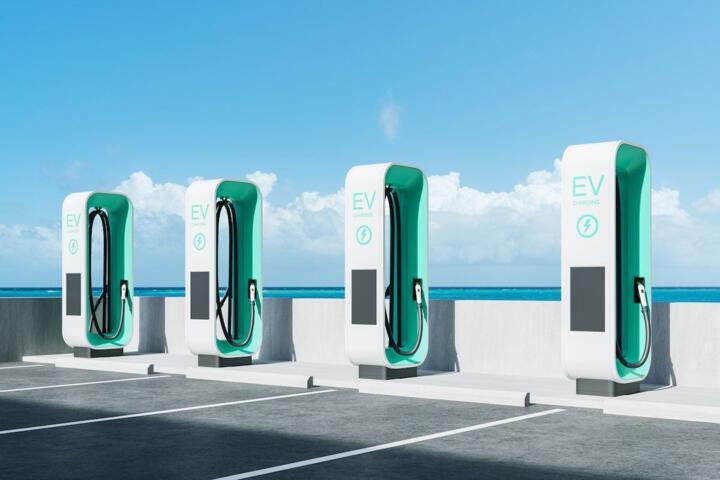
EV charging is no longer just an “auto industry” topic - it’s becoming a major technology and infrastructure challenge. With global EV adoption now topping 10 million vehicles, the focus is shifting to what happens after the sale: reliable charging networks, seamless software and payment compatibility, and the ability of local power grids to handle growing demand. This article explores the real-world hurdles these systems face, and the opportunities they create for drivers, businesses, charging providers, and utilities as the charging ecosystem scales.
If you’ve ever watched the interest rate on your savings account jump up one month and drop the next, it can feel random- but it usually isn’t. Savings rates move with broader economic forces like central bank policy, inflation expectations, competition between banks, and how expensive it is for lenders to get money. This article explains those moving parts in plain language so you can understand what’s really driving the changes. It also clears up common misconceptions (for example, why “high-yield” doesn’t always stay high), and shares practical ways to take advantage of shifting rates - such as comparing account terms, watching for teaser offers, and deciding when to switch banks - so your cash can earn more without adding unnecessary risk or hassle.
New EU and Mexico pet rules took effect in 2026, adding deadlines for US owners traveling with dogs and cats. Since August 3, dogs entering Mexico need a screwworm inspection certificate issued within 5 days, and since October 1, pets flying into the EU travel on a new EU health certificate. Both sit on top of the CDC rule that every dog entering the US must be at least 6 months old, microchipped and covered by a CDC Dog Import Form receipt. The article sorts the rules by trip type, walks through a dated timeline for a dog going to France and back, explains what returning from Mexico or a high-risk country adds, and corrects the tick-treatment myth for the UK.