What Are Active Breaks?
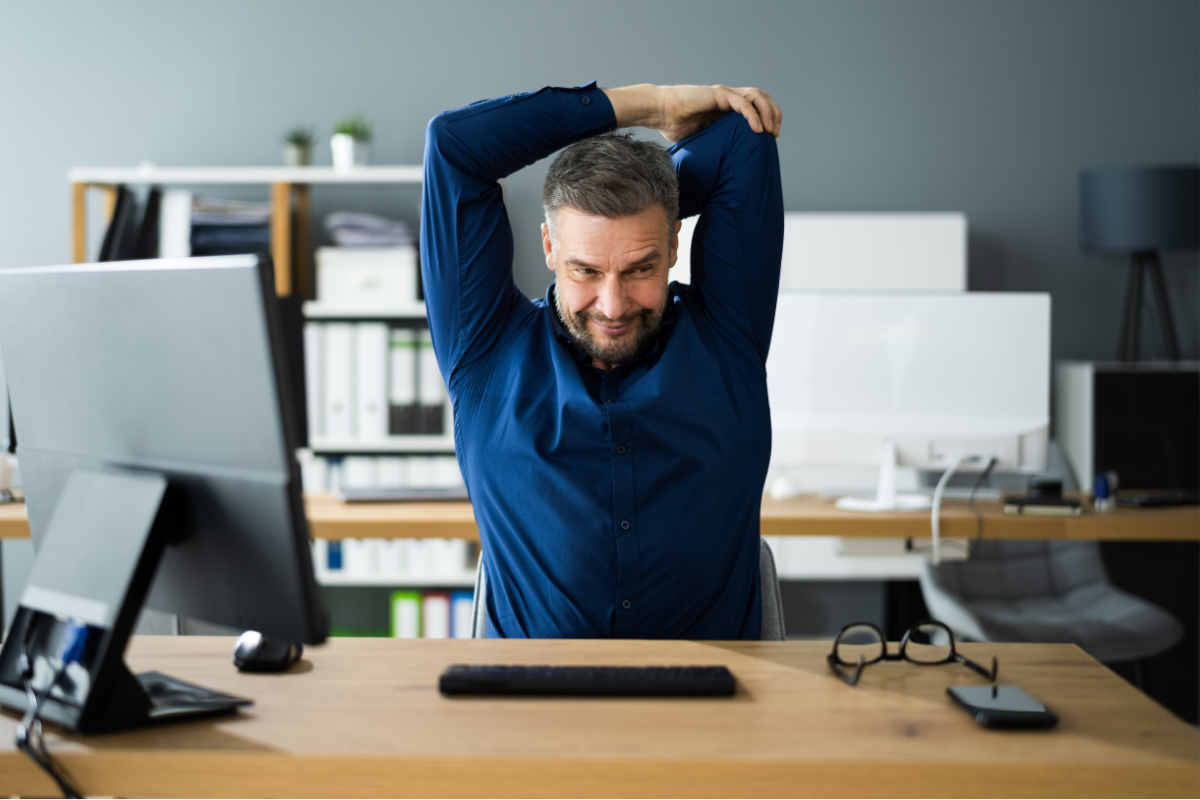
Active breaks consist of brief periods of physical activity during desk work. Unlike traditional breaks that involve just stepping away from the screen, active breaks involve standing up, stretching, or even walking for a few minutes. Research from the American Heart Association shows professionals who interrupt sitting every 30 minutes with 2–5 minutes of movement report reduced fatigue and better cognition.
For example, a software developer might stand and stretch every hour using a Pomodoro timer app or perform 10 jumping jacks between meetings. Another office uses sit-stand desks that prompt employees to shift positions frequently throughout the day. Such breaks range from simple calf raises to brisk five-minute walks around the building.
Companies like Microsoft and Google recommend employees take active breaks, correlating these with improved well-being surveys. The shift flips static desk routines into dynamic workflows.
Problems with Sitting Long
Extended sitting reduces muscle activity and blood flow, increasing risks for cardiovascular diseases and metabolic issues. People wrongly assume that working hard means staying glued to their chairs. This mistake leads to fatigue, concentration lapses, and chronic pain in the neck or lower back.
For instance, a 2018 study from the University of Queensland found people sitting more than eight hours daily without interruption had a 15% higher risk of premature death, irrespective of exercise levels outside work. In smaller offices, employees bend forward over keyboards and remain sedentary for hours—ignoring subtle aches until burnout happens.
Also, consecutive hours without movement stiffen joints and compress discs, escalating discomfort. This causes reduced productivity, yet the remedy often gets overlooked.
Active Break Methods
Scheduled Movement Reminders
Wearable devices, like Fitbit Charge 5, vibrate to prompt walking or stretching every 30–60 minutes. This conditions the body to expect breaks regularly. Physically interrupting tasks keeps circulation balanced and brain alert. In practice, employees reply to the notification by standing and performing light stretches for about 3 minutes, which increases energy levels by up to 20%, according to a University of Illinois experiment (2022).
Standing and Sit-Stand Desks
Changing posture frequently mitigates the effects of total sitting. Sit-stand desks from Varidesk or Fully allow users to adjust height easily, shifting between sitting and standing every 20–40 minutes. This approach also reduces lower back strain by 30% based on a 2023 ergonomic trial in a tech company. It sounds simple but requires discipline to avoid fatigue standing too long.
Micro-Exercises at the Desk
Exercises like seated leg lifts, shoulder rolls, or neck stretches can be done without leaving the chair. These cost no extra time and avoid disrupting workflows, making them popular among tight schedules. Apps like ""Stretchly"" offer free, customizable reminders paired with demonstration videos. Results include reduced muscle stiffness and improved mood throughout the day.
Walking Meetings
Replacing seated meetings with short walks outdoors breaks monotony and introduces natural movement. Walks averaging 10–15 minutes improve creativity and information retention. A 2021 study noted 70% of participants felt more engaged in walking sessions than regular sit-down meetings. The challenge lies in choosing routes and weather conditions, though some indoor alternatives exist.
Using Activity Apps with Social Features
Platforms like Stridekick or MoveSpring create friendly challenges to encourage movement within teams. Peer competition and accountability drive adoption. Teams track daily step counts or break frequency, creating measurable motivation. One marketing firm saw a 25% rise in average daily steps over six weeks using such tools.
Breathing and Mindfulness Breaks
Short breathing exercises reduce stress and improve focus between tasks. Though not physically intense, they encourage body awareness and reset posture, indirectly supporting active break routines. Apps like ""Calm"" or ""Headspace"" guide brief sessions, usually lasting 2–5 minutes. Some users pair mindfulness with light stretching.
Tailored Ergonomic Adjustments
Optimizing chair height, screen position, and keyboard angle cuts down strain and complements movement breaks. Institutions like OSHA offer guidelines, and consultation with certified ergonomists proves valuable but, frankly, often skipped. Combining good ergonomics with active breaks yields best outcomes.
Hydration Breaks
Frequent water intake encourages getting up naturally every hour or so. This casual tactic supports physical activity without explicit reminders and improves overall health. In-person settings favor water coolers placed away from desks to promote this.
Real Success Stories
Salesforce, facing rising employee complaints about back pain, introduced mandatory 5-minute active breaks every hour alongside sit-stand desks. After three months, reports of discomfort decreased by 40%, and productivity metrics rose 15%. Staff credited the structured breaks for boosted stamina during long calls.
In another case, a mid-sized legal firm replaced traditional lunch breaks with walking groups encouraging hourly office walks averaging 7 minutes. Over 90 days, absenteeism dropped by 20% with notable improvement in morale surveys. This cost nothing but improved wellness substantially.
Active Break Planning Checklist
| Step | Action | Frequency | Tool/Example |
|---|---|---|---|
| 1 | Set movement reminder | Every 30 min | Fitbit, Stretchly |
| 2 | Use sit-stand desk | Every 20–40 min | Varidesk, Fully |
| 3 | Perform micro-exercises | 2–3 times daily | Stretchly, YouTube videos |
| 4 | Hold walking meetings | Weekly | Indoor/outdoor |
| 5 | Encourage hydration breaks | Hourly | Water coolers off desk |
| 6 | Adjust workspace ergonomics | Initial and quarterly | OSHA guidelines |
Wrong Steps to Avoid
A common mistake involves ignoring break reminders outright. Setting too frequent or long breaks disrupts workflow and breeds resistance. Some attempt exercises too intense for cramped office spaces, leading to injury or awkwardness. Employers often forget follow-up, causing any initial enthusiasm to fade within weeks.
Skipping ergonomic adjustments while expecting breaks to fix posture is another false hope. Resistance also happens when management pressures employees to multitask during breaks, killing their benefit. Lastly, relying solely on apps without incorporating cultural shifts dooms the effort.
FAQ
How long should active breaks last?
Breaks of 2 to 5 minutes every 30 to 60 minutes work best. This range balances movement benefits with minimal disruption.
Can active breaks replace exercise?
No. They complement regular exercise but do not substitute. Active breaks reduce risks of sitting, but daily workouts remain vital for health.
What if I have a tight schedule?
Micro-exercises done while seated take seconds and can accumulate benefits. Even brief standing and stretches are better than nothing.
Are walking meetings effective indoors?
Yes. Walking halls or open spaces indoors provide movement and change environment, stimulating fresh ideas.
Which apps help track breaks?
Popular options include Stretchly 1.6.4, Fitbit reminders, and MoveSpring for social motivation among teams.
Author's Insight
Having tested multiple strategies in office settings, I saw firsthand that people resist change unless breaks feel natural, easy to adopt. Combining reminders with social challenges works, though only with consistent encouragement. Sit-stand desks are invaluable but require people to build new habits patiently. The key lies in layering small movements throughout the day—not forcing long sessions that annoy users.
What to Remember
Active breaks reduce health risks tied to prolonged sitting by weaving movement into the workday. Effective methods include timers, ergonomic desks, micro-exercises, and walking meetings. Avoid overcomplicating or skipping ergonomic basics. Commit to brief, frequent breaks using tools and social incentives. Start small, build momentum, and watch focus plus well-being improve.