The Meter Wall Is Gone
For decades, utility billing moved slowly. A worker checked the meter once a month, wrote down a number, and your bill arrived weeks later with little explanation beyond total usage. Smart meters changed that rhythm almost overnight.
These devices send data automatically, often every 15 minutes or every hour. Utilities no longer need trucks driving neighborhood routes to collect readings. Companies like Duke Energy, Pacific Gas & Electric, and Southern California Edison now monitor usage remotely across millions of homes.
The hardware rollout has been massive. More than 130 million smart electric meters had been installed in the United States by 2024, according to the U.S. Energy Information Administration. That covers roughly 75% of households.
The pace surprised people.
The change sounds technical until the first detailed bill arrives. Suddenly you can see electricity spikes at 6:30 p.m., air-conditioning costs during a heat wave, or how much the dryer adds during weekends. Utilities love this visibility because it helps them balance demand. Consumers may love it too once they understand how billing structures are shifting underneath them...
Why Bills Feel Different
A lot of customers assume smart meters exist only to automate readings. The bigger story sits inside pricing.
Utilities spent years charging flat rates regardless of when energy was used. Running the dishwasher at 2 a.m. cost roughly the same as running it at 6 p.m. during peak summer demand. Smart meters changed that because utilities can now measure usage by time block instead of monthly total.
That creates time-of-use billing. Electricity gets cheaper overnight and more expensive during high-demand windows. In California, some peak periods now cost more than double off-peak rates.
Peak hours hit hard.
The shift catches households off guard because habits formed under older systems no longer work the same way. Families cooking dinner, charging electric vehicles, running laundry, and blasting air conditioning between 4 p.m. and 9 p.m. may suddenly see larger bills despite using the same total amount of power.
Then there is estimated billing. Smart meters reduce it dramatically because utilities receive constant readings instead of relying on projections. That sounds good until people realize previous estimates occasionally worked in their favor. Some households had been underbilled for months without noticing.
The correction bills sting.
How To Lower The Damage
Shift heavy usage later
Start with the appliances pulling the most electricity. Dryers, dishwashers, EV chargers, pool pumps, and central air systems create the biggest spikes during peak-rate periods.
Many utilities publish peak windows directly inside customer dashboards. In Texas and California, the expensive stretch often begins around 4 p.m. and runs until 9 p.m. Running a dishwasher after 10 p.m. instead can cut the operating cost by 30% to 50% under certain plans.
Small timing changes matter.
Study the utility app monthly
Smart meters generate enormous amounts of data. Utilities want customers inside those apps because detailed usage graphs reduce complaint calls.
Use that visibility. Apps from Con Edison, Florida Power & Light, and Xcel Energy now break down hourly or daily consumption. Many even compare your home against similar nearby households.
Most people never check.
Watch for demand charges
Some utilities are quietly testing residential demand charges once smart meters are installed. Instead of billing only for total energy used, they also charge based on your highest short-term usage spike.
Imagine running the oven, dryer, and EV charger together for 20 minutes. That peak can raise the bill even if total monthly usage stays moderate. Arizona utilities and several co-op providers have experimented with these structures already.
Spread large appliance use apart. The bill math changes fast under demand pricing.
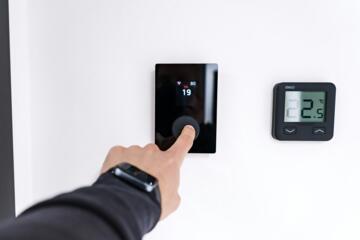
Use smart thermostats carefully
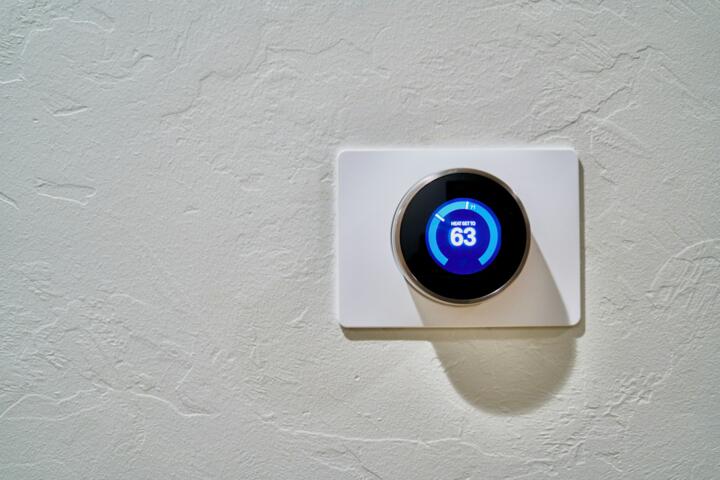
Devices from Google Nest and Ecobee became more attractive once utilities adopted time-based rates. Many utility companies now offer rebates between $50 and $150 for installing them.
These thermostats pre-cool homes before peak pricing begins, then reduce air-conditioning demand during expensive windows. The savings can reach a few hundred dollars annually in hot climates.
But automation can get annoying. Some utility-linked programs temporarily adjust thermostat settings during grid emergencies, and homeowners do not always realize they enrolled...
Check solar billing rules
Smart meters also changed rooftop solar economics. Older net-metering systems often credited solar exports at the same rate customers paid for electricity. Many utilities are moving away from that structure.
Under newer billing models, daytime solar exports may earn lower compensation while evening electricity purchases cost more. California's NEM 3.0 rules shifted the equation sharply in 2023.
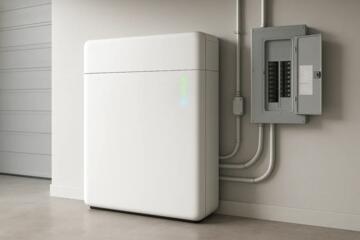
Battery storage suddenly matters.
Track phantom energy use
Smart meter dashboards expose how much electricity homes consume overnight when nobody is actively using appliances. Routers, gaming systems, old refrigerators, cable boxes, and standby electronics quietly draw power 24 hours a day.
The Department of Energy estimates standby consumption may account for 5% to 10% of residential electricity use. That sounds small until utility rates climb above 30 cents per kilowatt-hour in expensive regions.
One aging garage freezer can become an expensive roommate.
Prepare for remote shutoffs
Utilities rarely advertise this part loudly. Smart meters make remote service disconnections easier because companies no longer need technicians visiting homes in many cases.
Missed payments can escalate faster under automated systems. Some consumer advocates worry the reduced human interaction removes opportunities to catch billing disputes or hardship cases before shutoffs happen.
Set payment alerts early. Waiting for paper notices is becoming risky.
Ask about opt-out fees
Some households resisted smart meter installations over privacy or health concerns. Utilities in states like California and Nevada often permit opt-outs, though customers may pay monthly manual-reading charges ranging from $10 to $25.
For some families, the fee feels worth it. Others discover the opt-out cost exceeds any realistic billing difference after only a few months.
The math usually wins.
What Utilities Learned
Smart meters gave utilities something they had wanted for years: real-time visibility into neighborhood demand. During heat waves or winter storms, operators can now identify outages faster and predict overload areas before transformers fail.
After severe storms in Florida and Texas, utilities reported shorter restoration times because smart meters automatically flagged outage clusters instead of waiting for customer phone calls. That operational advantage saves millions annually in labor and dispatch costs.
The consumer side looks messier.
In California, many households complained about rising bills after time-of-use plans became standard. Investigations often showed overall energy usage had not changed dramatically. The timing had. Families using large amounts of electricity during evening peak periods absorbed much higher rates.
Another example came from Arizona Public Service. Customers using demand-based pricing plans discovered that one short usage spike could influence the entire monthly bill. Some adapted quickly by staggering appliance use. Others had no idea why charges jumped.
The confusion spread fast online.
Billing Models Compared
| Plan | Peak | OffPeak | Risk |
|---|---|---|---|
| FlatRate | Same | Same | Low |
| TOU | High | Low | Medium |
| Demand | Variable | Variable | High |
| SolarTOU | VeryHigh | Low | Medium |
Common Billing Mistakes
The biggest mistake is assuming lower energy usage automatically means a lower bill. Under time-based pricing, usage timing can matter just as much as total consumption.
Another problem comes from ignoring appliance schedules. People install EV chargers or portable AC units without realizing they push evening electricity demand into expensive territory. One added appliance can reshape the whole bill.
Do not trust averages.
Utilities love advertising “average household savings” from smart programs. Real outcomes vary wildly by climate, home size, work schedule, and family routines. A remote worker at home all afternoon faces different costs than someone leaving the house at 8 a.m.
Customers also forget rate plans change over time. Introductory pricing structures sometimes expire after 12 months. Others automatically shift households into default time-of-use plans after meter upgrades.
Read every utility notice carefully, even the boring ones nobody wants to open.
FAQ
Do smart meters raise electric bills?
Not automatically. The meter itself does not increase rates. Bills often rise because utilities introduce time-based pricing structures that charge more during peak demand hours.
Can I refuse a smart meter installation?
Sometimes. Policies vary by state and utility company. Some providers permit opt-outs but charge monthly manual-reading fees.
What is time-of-use billing?
Time-of-use billing charges different electricity rates depending on the hour of the day. Peak evening periods usually cost more than overnight or midday usage.
Are smart meters accurate?
Generally yes. Digital smart meters are usually more accurate than aging analog devices. Complaints often come from pricing changes rather than faulty measurements.
Do smart meters track personal information?
Utilities collect detailed energy usage data, including timing patterns. The data does not show exactly what appliances are running, though usage trends can reveal household routines.
Author's Insight
I think utilities underestimated how confusing this transition would feel for ordinary households. Most people do not spend weekends studying rate structures or comparing kilowatt-hour pricing windows. They just notice the bill changed.
After looking through dozens of utility plans over the last few years, one thing stands out clearly: households that pay attention to timing usually adapt well. The people getting crushed are often the ones who never realized the rules had shifted underneath them in the first place...
Summary
Smart meters are changing utility billing from a once-a-month snapshot into a live tracking system with time-based pricing, detailed usage data, and faster automated decisions. That can lower costs for households willing to adjust routines, monitor usage, and avoid expensive peak windows.
Check your utility rate plan before summer or winter demand spikes arrive. Study the app. Move large appliance use later when possible. And do not assume the old billing habits still work under the new system.