Homes Started Working
Before 2020, most people treated home as a place to return to after work. Then millions started working from kitchen tables, guest rooms, and corners beside laundry baskets almost at once. The house stopped being a backdrop and became part office, part classroom, part break room.
The numbers moved fast. Stanford economist Nicholas Bloom estimated that more than 40% of U.S. employees worked remotely at the height of the pandemic. Even after offices reopened, remote and hybrid schedules stayed far above pre-2020 levels.
Floor plans suddenly mattered differently. Buyers who once cared about commute distance started asking about fiber internet speeds, extra rooms, soundproof walls, and backyard office sheds. A one-bedroom apartment that felt fine in 2019 could feel claustrophobic after 14 straight Zoom calls.
People noticed every wall.
Remote work also changed daily rhythms inside homes. Kitchens handled more meals. Electricity bills climbed. Living rooms became shared office territory by 9 a.m. Parents negotiated conference calls around school pickup schedules and barking dogs somewhere off camera...
The Pressure Points
A lot of people imagined remote work would automatically improve quality of life. For some, it did. Others discovered that working where you sleep creates a strange kind of mental spillover.
Small apartments became harder to tolerate after spending 50 hours a week inside them. Couples who once staggered office schedules suddenly competed for silence, desk space, and stable Wi-Fi connections. In dense cities like New York and San Francisco, renters started paying premiums for extra rooms they barely considered before.
Privacy became expensive.
There was also the productivity illusion. Companies saved money on office space, but workers quietly absorbed more household costs themselves. Electricity, heating, cooling, office furniture, coffee, faster internet plans — the monthly expenses shifted from employer buildings into private homes.
Remote workers also blurred boundaries badly. Microsoft research from 2023 found employees were attending more meetings and extending workdays later into the evening. Without commute transitions, many people stopped mentally “leaving” work at all.
And housing markets reacted fast. Mountain towns, mid-sized cities, and suburban areas saw surges in demand because workers no longer needed to live 20 minutes from headquarters. Boise, Asheville, and parts of Texas experienced huge price jumps during the remote-work migration wave.
How People Adapted
Turning spare rooms into offices
The guest bedroom changed jobs first. Instead of housing relatives twice a year, it became permanent workspace territory with monitors, standing desks, and better lighting.
IKEA reported strong growth in home-office furniture sales during the first remote-work surge. So did Herman Miller and Steelcase. People stopped buying decorative furniture and started measuring whether a chair could survive 8-hour workdays.
Comfort became measurable.
Leaving expensive cities
Many workers realized they were paying enormous rents mostly to stay close to offices they rarely visited anymore. So they moved.
A software employee earning $160,000 in Manhattan could suddenly consider Pittsburgh, Nashville, or Columbus without changing jobs. Redfin migration reports throughout 2021 and 2022 showed heavy movement away from expensive coastal markets toward smaller metros with lower housing costs.
Not everyone stayed away, though. Some workers returned after realizing cheaper cities also meant smaller professional networks, fewer cultural options, or weaker career visibility.
Building backyard offices
Backyard sheds turned into mini headquarters almost absurdly fast. Companies started selling prefab office pods with insulation, electrical wiring, heating, and soundproofing built in.
In some suburban neighborhoods, homeowners spent $12,000 to $35,000 creating detached workspaces. The appeal made sense. Physical separation helped people regain boundaries between work and private life.
The commute became 30 feet.
Redesigning new homes
Builders adapted because buyers kept asking the same questions. Is there a flex room? Can two adults work privately? Does the floor plan support hybrid schedules?
Homebuilders like Lennar and Toll Brothers began marketing houses with office nooks, dual workspaces, and adaptable bonus rooms. Open-concept layouts, once celebrated constantly on HGTV, started receiving criticism because noise traveled everywhere.
People wanted doors again.
Upgrading internet infrastructure
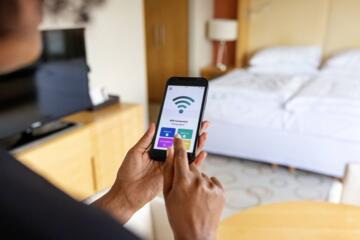
Reliable broadband became part of housing value in a way it had never been before. Weak upload speeds could wreck meetings, presentations, and client calls within seconds.
Remote workers started checking internet providers before signing leases. In rural regions, some buyers rejected otherwise attractive homes because broadband coverage was unreliable.
That shift pushed telecom expansion too. Fiber installations accelerated in many suburban and secondary markets after providers realized remote workers would pay for stronger connections.
Using coworking spaces nearby
Not everybody wanted to stay home all week. Coworking companies adjusted by opening smaller suburban locations closer to residential neighborhoods.
WeWork struggled publicly during this period, but local coworking operators in many cities found steady demand from remote employees needing occasional structure without full commutes downtown.
Three days at home sometimes felt fine. Five straight days started feeling blurry.
Separating work visually
People underestimated how much visual clutter affects stress levels during remote work. A laptop sitting beside dinner plates makes it harder to disconnect mentally.
Workers started using folding dividers, shelving units, rugs, and lighting changes to create psychological separation inside small spaces. Even tiny routines helped. Closing a laptop into a drawer at 6 p.m. became symbolic boundary-setting.
Small rituals matter more than expected.
The Housing Ripple
One of the clearest examples came from Austin, Texas. Remote workers flooded the city during the pandemic housing boom, attracted by lower taxes and warmer weather. Home prices jumped more than 40% in some areas between 2020 and 2022.
Then the market cooled sharply once mortgage rates climbed and tech layoffs spread through the industry. Some buyers who moved for permanent remote jobs discovered their companies wanted partial office returns after all.
The assumptions changed fast.
Another example appeared in New York City rentals. During the early pandemic period, rents dropped as residents left dense neighborhoods. By 2022, prices surged back because hybrid workers still wanted urban life — just with larger apartments and extra workspace.
Landlords adapted marketing language too. Listings started highlighting “Zoom rooms,” built-in desks, and sound-insulated layouts. Five years earlier, almost nobody used those phrases in apartment ads.
What Buyers Compare
| Feature | Before | Now | Effect |
|---|---|---|---|
| Commute | Top priority | Less central | Migration shift |
| Office | Optional | Expected | Higher demand |
| Internet | Secondary | Critical | Provider checks |
| Space | Shared use | Zoned rooms | Renovations |
Remote Work Mistakes
One common mistake is assuming bigger homes automatically solve remote-work stress. More square footage helps, but layout matters more. A poorly placed office beside a noisy kitchen can still wreck concentration.
Another issue is overspending during relocation waves. Some buyers rushed into hot markets during 2021 bidding wars assuming remote work would remain permanent forever. Then hybrid schedules returned and long-distance commutes became painful again.
Temporary trends trap people.
Workers also ignore ergonomic problems too long. Dining chairs and couches feel manageable for a month or two. After a year, back pain and repetitive strain issues start showing up.
There is also the isolation problem. Remote workers sometimes optimize homes so aggressively for productivity that they accidentally shrink social interaction. Days become oddly repetitive: bedroom, desk, kitchen, repeat.
That rhythm catches up eventually.
FAQ
Did remote work increase home prices?
In many regions, yes. Areas with lower costs and larger homes saw heavy demand from remote workers during 2020 through 2022. That migration helped push prices upward in many suburban and mid-sized cities.
Why do remote workers want bigger homes?
People working from home spend far more hours inside their living spaces. Extra rooms help create separation between work, rest, and family activities, which improves concentration and lowers stress.
Are companies still supporting remote work?
Many companies now use hybrid models instead of fully remote setups. Policies vary widely by industry. Tech firms generally support remote flexibility more than finance, law, or manufacturing companies.
What home features matter more now?
Reliable internet, flexible office space, natural light, sound control, and room separation became much more desirable after remote work expanded.
Did apartment design change because of remote work?
Yes. Developers started adding coworking lounges, phone booths, built-in desk areas, and flexible-use rooms to attract renters working remotely at least part of the week.
Author's Insight
The biggest surprise to me was how quickly people started evaluating homes emotionally through the lens of work. A cramped apartment feels different when you spend 10 hours inside it every weekday. So does a noisy street, weak internet signal, or lack of sunlight.
I also think many workers underestimated how much commuting once separated their identities. Without that transition, work started leaking into evenings, weekends, and small moments that used to feel private. Homes became more useful. They also became harder to escape.
Summary
Remote work reshaped housing faster than almost anyone expected. Buyers and renters started prioritizing office space, privacy, internet quality, and flexible layouts over traditional commute concerns. Builders, landlords, and entire cities adjusted around those changes.
The shift is still unfolding. Some companies are pulling workers back toward offices, while others continue expanding remote options. But homes are no longer viewed only as places to sleep and relax. For millions of people, they became permanent work infrastructure too.