How Wearables Track Health
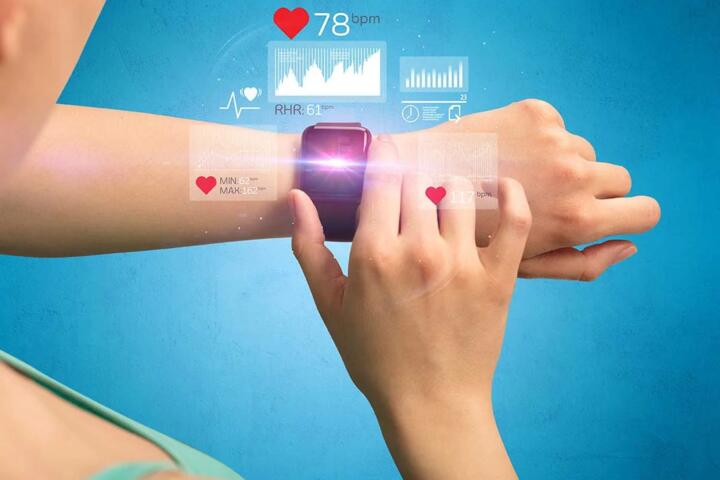
Wearables capture continuous streams of biometric data, including heart rate, blood oxygen levels, and physical activity. For instance, Fitbit devices report daily step counts exceeding 10,000 steps for many users; Apple Watch Series 9 can monitor ECG and detect atrial fibrillation. These gadgets convert raw signals into health insights often missing in routine doctor visits—like subtle arrhythmias or fragmented sleep stages. Users gain immediate feedback on diet impact, stress spikes, or recovery times with just a glance.
Blood oxygen sensors on devices like Garmin Fenix 7 can alert users to abnormal oxygen depletion during sleep, which could hint at sleep apnea. The availability of such detailed physiological appraisals—once accessible mainly in sleep labs—enables early detection and tailored lifestyle adjustments.
Monitoring is constant.
Common Misunderstandings
Many assume wearables provide diagnostic certainty. They don’t. These devices track trends, not definitive diagnoses, which can mislead users into either complacency or unnecessary alarm. For example, overreliance on step counts might overshadow the quality of exercise or neglect other health domains like nutrition or mental well-being.
Ignoring data nuances, users sometimes misinterpret normal variations as problems, prompting undue anxiety or doctor visits. Conversely, some skip follow-ups despite irregular heart rhythms logged, dismissing alerts as glitches. This confusion arises because wearables blur boundaries between consumer gadgets and medical tools.
As a result, critical health signs may be missed or misjudged, especially among people with pre-existing conditions. Data overload without context can be overwhelming, and the data rarely replace professional evaluation.
Practical Steps and Tools
Choose Devices with Clinical Validation
Select wearables vetted in peer-reviewed studies. Devices like Apple Watch and Withings ScanWatch have FDA clearance for detecting arrhythmias, ensuring measurements meet medical standards. This improves reliability beyond cheap fitness trackers with unverified sensors.
Set Realistic Monitoring Goals
Define what to track based on personal health concerns: sleep quality, stress variability, or physical activity. For instance, WHO recommends 150 minutes weekly of moderate exercise, which many trackers monitor with detailed intensity zones. Proper goal setting avoids chasing irrelevant metrics.
Integrate Tracking with Lifestyle Logs
Combine wearable data with diet apps or mood journals to spot correlations. Apps like MyFitnessPal paired with Garmin Connect help users analyze how calorie intake affects heart rate zones or sleep. This holistic view redefines self-care from fragmented data points.
Consult Healthcare Providers Early
Share wearable reports during checkups. Many doctors now recommend bringing device data to illustrate trends. Sometimes, Apple Health export formats facilitate integration with electronic medical records (EMRs), improving clinical assessments.
Use Alerts Judiciously
Customize notifications to avoid alarm fatigue. Early versions of Fitbit alarms prompted excessive false alerts; newer firmware updates fix this. Properly calibrated thresholds help users stay informed without overwhelm.
Leverage Community Insights
Participate in user forums like r/AppleWatch or Garmin forums. Users exchange experiences about device accuracy, battery life quirks, latest updates (I spotted a 2024 March update that improved SpO2 tracking), which is helpful for making informed choices.
Combine Wearables with Occasional Lab Tests
Wearable data should complement, not replace, periodic clinical tests like HbA1c or lipid panels. Such hybrid approaches bring objective biomarker snapshots together with daily monitoring.
Practice Data Hygiene
Regularly update firmware to avoid bugs, review permissions for privacy, and clear obsolete logs. This keeps the device operational and trustworthy. Some devices, surprisingly, keep collecting even after reaching storage limits, creating junk data.
Evaluate Battery Longevity and Usage Patterns
Choose wearables with battery lives matching your tolerance for charging—some users drop tracking when devices fail mid-sleep. The Fitbit Charge 5 lasts about 7 days, compared to two on most smartwatches, affecting continuous data quality.
Real-World Impact
One hospital system in Cleveland incorporated Fitbit data into cardiac rehabilitation programs. Patients wearing trackers increased daily step counts by 35% over three months, reducing readmission rates by 20%. The program relied on weekly remote reviews coupled with wearables to gauge adherence.
A tech company offering Apple Watch supplements noticed employees reporting heightened awareness of stress. Monthly aggregate HRV (heart rate variability) scores informed wellness initiatives, resulting in a 12% reduction in sick leave over six months.
Data isn't perfect—but it moves the needle.
Device Comparison Checklist
| Feature | Fitbit Charge 5 | Apple Watch Series 9 | Garmin Fenix 7 |
|---|---|---|---|
| Battery Life | ~7 days | 18 hours | 14 days |
| Heart Rate | Optical Sensor | Optical + ECG | Optical + Pulse Oximeter |
| Sleep Tracking | Stages + HRV | Detailed Sleep Stages | Advanced with O2 |
| FDA Clearance | No | Yes (ECG) | No |
| Price (USD) | $150 | $399+ | $699+ |
Frequent Missteps
Ignoring baseline variability leads many down wrong paths. Some people expect absolute numbers instead of relative trends, which is flawed: heart rate shifts 10 beats between days are normal but often freak users out. Also, charging schedules get neglected, fragmenting data and skewing analysis.
Below average sleep on one night doesn't mean chronic insomnia; it means investigate patterns. Users often skip device updates that fix sensor drift issues, which, frankly, defeats accuracy. Misreading alerts as emergencies too frequently causes alarm fatigue, prompting some to disable notifications altogether.
Don’t confuse correlation with causation: rising heart rates could stem from caffeine, not illness. Use caution.
FAQ
Are wearables accurate for medical use?
Most consumer wearables offer good trend data but don’t replace formal diagnostics. Devices with FDA clearance provide clinical-grade measurements in specific areas like ECG but are not fully diagnostic tools.
How do wearables measure sleep stages?
They combine heart rate, movement, and sometimes blood oxygen to estimate sleep phases. However, these are models, not direct brainwave measurements, so exact accuracy varies by device.
Can wearables detect heart problems early?
Some can flag irregular rhythms or rapid heartbeat, prompting medical review. Apple Watch’s atrial fibrillation alert reduced undiagnosed cases in a trial but users still need clinical confirmation.
Do wearables affect motivation?
Tracking can improve engagement by providing feedback loops. But some users experience burnout or anxiety if metrics cause stress.
Should I share wearable data with my doctor?
Yes, if the doctor is open to it. Sharing trends can support diagnosis and treatment but requires interpreting raw data carefully rather than selfies of random stats.
Author's Insight
After testing multiple wearables over several years, I've observed how data quality and user comprehension define value. Users tend to fixate on single metrics instead of trends, which clouds judgment. I suggest focusing on consistent behavior patterns and integrating device info with medical advice. Not every alert needs action; sometimes watching quietly reveals more. Remember that wearables build awareness—don't expect them to replace clinical expertise.
Key Takeaways
Wearables reshape health understanding by delivering continuous, personalized data that uncovers hidden physiological patterns. Embracing validated technology, setting clear goals, and interpreting trends carefully avoid pitfalls. Combining these insights with professional healthcare discussions enhances outcomes. Those ready to dive deep must balance enthusiasm with measured skepticism to truly harness wearable potential.