The New Scam Playbook
Five years ago, most scam texts looked sloppy enough to spot from across the room. The grammar was broken. The links looked bizarre. Some messages claimed your “Bank Of America Account Has Been Suspended Kindly.” Nobody talks like that.
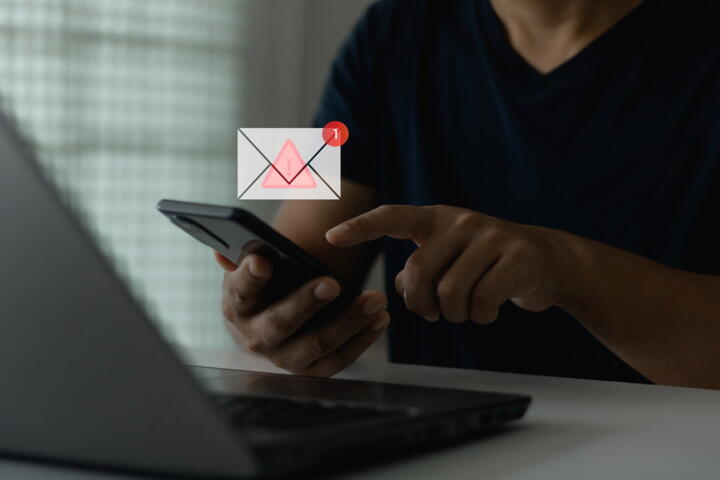
Now scammers sound almost professional. They mirror the tone, timing, and formatting banks actually use. A fake fraud alert may arrive seconds after you made a purchase. Sometimes the text lands inside the same message thread your bank already uses for real alerts.
That changes everything.
The FBI reported that Americans lost more than $12.5 billion to internet crime in 2023, with phishing and spoofing attacks driving a large share of the damage. Mobile banking made daily money movement easier. It also created perfect conditions for believable scams.
A modern bank scam usually starts with urgency. “Did you authorize a $742 transfer?” Most people panic first and think second. That emotional spike matters because the next 90 seconds determine whether the attacker gets account access, card numbers, or a wire transfer approval.
Some scams now use caller ID spoofing tied to real bank phone numbers. Others direct victims to fake login pages that look nearly identical to Chase, Wells Fargo, or Citi mobile sites. The details are convincing enough that even careful people hesitate...
Why People Fall For It
The old stereotype about scams catching only careless people never matched reality. Modern phishing attacks work because they imitate familiar routines.
Most consumers already receive legitimate fraud alerts by text. Banks trained customers to expect account notifications at random hours. A message asking you to “verify unusual activity” no longer feels strange. It feels normal.
Routine lowers defenses fast.
Scammers also understand banking behavior better than people realize. They target Friday afternoons, weekends, and late evenings because support centers are harder to reach then. Victims feel pressure to act before “the transfer clears.”
Another problem sits inside mobile phones themselves. Small screens hide details. URLs get truncated. People tap links quickly because that is how phones trained us to behave for the last 15 years.
Then there is trust in text threads. If a fake alert appears beneath genuine messages from your bank, many customers assume the entire conversation remains authentic. Criminals exploit weaknesses in phone carrier systems to make that happen.
That trick fools people daily.
How To Stay Ahead
Never use the text link
This single habit blocks a huge percentage of banking scams. Do not tap the link inside the message, even if the alert looks real.
Instead, open your bank app manually or type the official website yourself. If there is truly suspicious activity, the information will appear there too.
That extra 20 seconds matters.
Call the number on your card
Scammers often include fake support numbers inside texts. Some even answer calls with realistic hold music and automated menus.
Ignore every number sent through the message itself. Flip over your debit card or credit card and call the official customer service line printed there. Banks like Chase and Bank of America repeatedly warn customers about this exact tactic.
Trust the plastic, not the text.
Turn on transaction alerts
Real-time alerts help because they establish a reliable baseline. If your bank usually texts purchases instantly, you can compare suspicious messages against actual account activity.
Most major banking apps support custom alerts for purchases over certain amounts. Set low thresholds. A $1 notification catches fraud faster than a $500 threshold ever will.
Speed beats cleanup later.
Use app-based authentication
SMS verification codes remain common, but text-based security has weaknesses. Criminals use SIM-swap attacks to hijack phone numbers and intercept authentication codes.
Authenticator apps like Google Authenticator, Authy, and Microsoft Authenticator create stronger barriers because codes stay tied to the device instead of the phone number itself.
Many consumers skip this setup because it feels annoying for the first 10 minutes. After that, it becomes automatic.
Watch for emotional pressure
Fraud texts nearly always push urgency. “Reply now.” “Account locked.” “Transfer pending.” The goal is speed.
Pause before responding. Real banks rarely demand immediate action through text alone. They also do not ask customers to move money into “safe accounts,” buy gift cards, or reveal one-time passcodes over the phone.
Slow down deliberately.
Check the wording carefully
Modern scam texts improved dramatically, but many still contain tiny inconsistencies. A fake message may use slightly unusual punctuation, awkward spacing, or a generic greeting instead of your name.
Some attackers copy old bank branding that no longer matches the company app. Others use shortened links that hide suspicious domains behind random characters.
Small clues add up.
Lock down your mobile carrier
People focus heavily on bank passwords while ignoring phone account security. That gap creates risk because mobile carriers remain vulnerable to social engineering attacks.
Add a carrier PIN or account lock through Verizon, AT&T, T-Mobile, or your provider’s security settings. This makes SIM-swap attacks harder to pull off.
One extra PIN helps.
Monitor linked payment apps
Many bank scams now target Zelle, Venmo, Cash App, and PayPal users because transfers move instantly. Once the money leaves, recovery gets difficult.
Watch linked accounts closely after any suspicious message. Some attackers test stolen credentials with tiny transfers under $5 before attempting larger withdrawals later.
Those small tests matter more than people think.
What Real Cases Show
In 2024, multiple large U.S. banks warned customers about text scams impersonating fraud departments. Victims received messages claiming suspicious Zelle transfers were underway. After replying “NO,” they got calls from fake representatives who sounded calm, informed, and believable.
The scammers already knew partial card numbers and recent transaction details gathered from data breaches or stolen records online. That information lowered skepticism immediately.
Then the transfer started.
Victims were instructed to “protect” their money by moving funds into another account controlled by the attackers. Some consumers lost $3,000. Others lost entire savings balances exceeding $40,000 within hours.
Another trend hit iPhone and Android users through fake package delivery texts tied to banking fraud later in the process. A person clicks a shipping link, enters personal details, then receives banking alerts days later because the criminals already harvested enough information to begin account recovery attempts.
The attack chain keeps evolving. Banks patch one weak spot, scammers move sideways, and customers stay stuck in the middle trying to judge which messages deserve trust.
Red Flags Side By Side
| Signal | Real | Fake | Risk |
|---|---|---|---|
| Urgency | Moderate | Extreme | High |
| Links | Official | Shortened | High |
| Requests | Review | Transfer | Critical |
| Codes | Limited | Repeated | High |
Costly Mistakes People Make
The biggest mistake is believing scam detection depends entirely on spotting bad grammar or weird formatting. That advice expired years ago.
Another problem comes from multitasking. People answer fraud texts while driving, standing in checkout lines, watching television, or half asleep at 11:40 p.m. Attention drops. Urgency rises. Mistakes happen faster.
Fatigue changes judgment quickly.
Consumers also trust caller ID too much. Phone numbers can be spoofed cheaply now. A call appearing under your bank’s official support number does not prove legitimacy.
Some victims panic and move money themselves after hearing words like “fraud investigation” or “secure account.” Real banks almost never ask customers to transfer money out as protection against fraud.
People who share verification codes over the phone create another opening. Banks repeatedly warn customers never to reveal one-time authentication numbers, yet attackers still succeed because they sound patient and informed.
The confidence is intentional.
FAQ
Can scam texts really appear in my bank’s real message thread?
Yes. Criminals sometimes exploit weaknesses in phone messaging systems to insert fake alerts into existing conversations. That makes the texts appear far more believable.
Will my bank ever ask for verification codes by text or phone?
Generally no. Banks send verification codes for customer use, not for customers to read back aloud. Anyone requesting those codes directly should raise suspicion immediately.
What should I do after clicking a suspicious bank link?
Change your banking password immediately from the official app or website. Then contact the bank directly, monitor transactions closely, and review linked payment apps for unusual activity.
Are iPhone users safer from scam texts than Android users?
Not really. Both platforms face phishing attacks. The methods differ slightly, but scammers target behavior more than operating systems.
Can banks reverse stolen Zelle payments?
Sometimes, but recovery is difficult because transfers move quickly. Outcomes depend on timing, account details, and the bank’s fraud investigation process.
Author's Insight
I have noticed that the best scammers no longer sound aggressive. They sound helpful. Calm voices, polished scripts, realistic timing — that combination lowers people’s guard faster than obvious threats ever did.
I no longer trust any banking text at face value, even legitimate-looking ones. Every alert gets verified through the app itself or the phone number printed on the card. That extra friction feels annoying for about 30 seconds. Losing access to your checking account for 3 weeks feels much worse...
Summary
Bank scam texts evolved from obvious spam into polished impersonation attacks that mimic real fraud alerts almost perfectly. Criminals now exploit mobile banking habits, phone spoofing, and emotional urgency to steal credentials and drain accounts.
Never trust links or phone numbers sent inside unexpected banking texts. Open the official app yourself, use stronger authentication tools, and slow down whenever a message pressures you to act immediately. A few cautious habits block most attacks before they start.