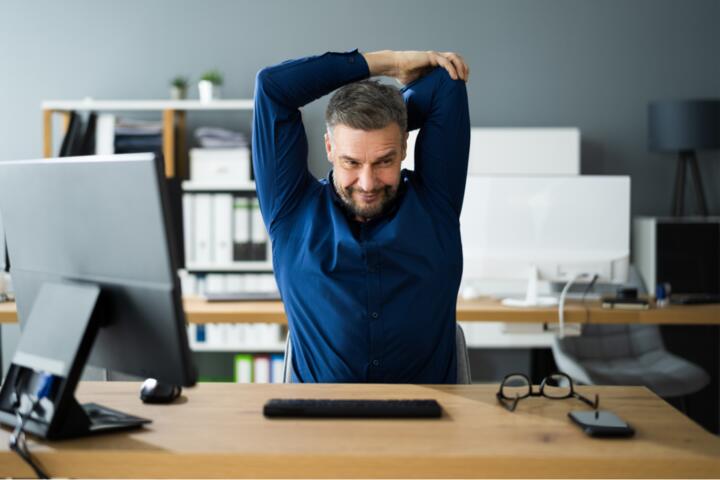
Active breaks are a simple way to rethink the typical desk-bound workday. Instead of sitting for hours at a time, you add short moments of movement - stretching, walking, or quick mobility exercises - right into your office routine. These mini-breaks can help ease back and neck pain, boost circulation, and even sharpen focus when your energy starts to dip. This article explains why active breaks matter, what long stretches of sitting do to your body, and practical, realistic ways to build movement into your day using helpful tools and proven strategies—plus the results people and workplaces are already seeing.
The advice most of us grew up with about warming up - especially long, static stretching before exercise - has changed a lot in recent years. This article explains what’s fallen out of favor, why some classic routines don’t help the way we thought they did, and what the research now supports instead. You’ll get practical, easy-to-follow warm-up options designed to boost performance and lower injury risk, whether you’re a beginner getting consistent or an experienced athlete. The guidance is grounded in up-to-date biomechanics and physiology, so it’s not just “do this,” but also the reason it works.
Irregular sleep times carry their own health risk, but they do not cancel the need for seven hours of sleep. An August 2026 study that tracked 95,819 people for about 20 months found chronic irregular sleepers had 46% higher odds of high blood pressure, one UK Biobank study found regularity predicted death slightly better than sleep length, and others linked irregular sleep to diabetes and heart risk even in people sleeping 7 hours or more. Duration still matters too. This explainer covers the Sleep Regularity Index with an illustrative weekly example, social jet lag, what weekend catch-up sleep can and cannot do, the 1-hour window that the most regular sleepers kept, and what changes for shift workers, travelers, teens, new parents and people with insomnia.
A 2026 US study links caffeine within 8 hours of bed to short sleep, but official daily limits have not moved. A survey analysis of more than 37,000 adults and a review of 32 sleep-EEG studies, both from 2026, point to the day's last dose: moderate amounts within eight hours of bed went with shorter sleep, and caffeine pushed sleep toward a lighter pattern. Meanwhile the FDA's 400 mg figure for most adults and ACOG's under-200 mg advice in pregnancy, reaffirmed in 2026, stand. The article sets out which trial results support which bedtime cutoff, works through a 4 p.m. pre-workout scoop against the 13.2-hour gap one meta-analysis suggests, lists caffeine that rarely gets counted (pain relievers, dark chocolate, decaf) and names who clears it slowly.
Short breaks during work have reentered workplace discussions with a clearer focus on their benefits for sustained attention and productivity. This article explores how brief pauses, even as short as five minutes, help reduce fatigue and improve decision-making. It covers common misconceptions, practical methods to integrate breaks, and real company examples improving outcomes by reintroducing structured downtime.
Understanding what constitutes a balanced plate has shifted dramatically in recent years. This article explores how nutritional guidelines, food culture, and scientific insights have reshaped perceptions about portioning, food groups, and dietary quality. With practical examples and evidence-based recommendations, it helps readers rethink their approach to meal planning to improve health outcomes.
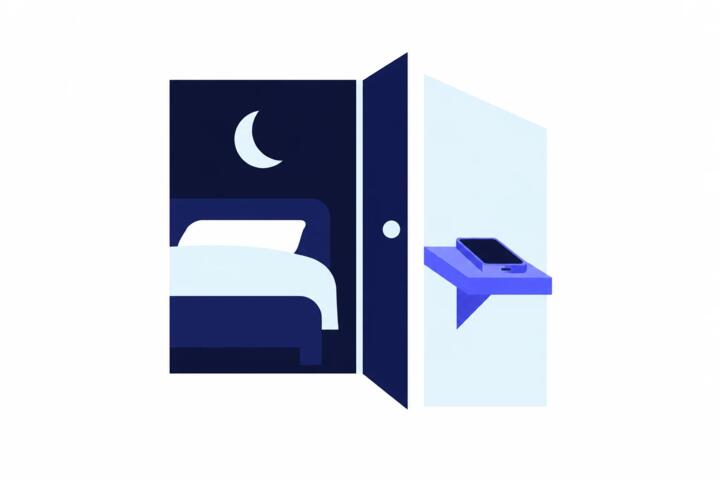
Two medical groups now say to power down before bed and charge the phone outside the bedroom. In January 2026 the American Academy of Pediatrics told families to keep screens off for the hour before bed and devices out of bedrooms, and in February the American Academy of Sleep Medicine gave adults similar advice alongside a survey in which half of US adults said they use a screen in bed every day. Here is that advice beside the evidence: a lab study where hours of tablet reading delayed falling asleep by about 10 minutes, a trial where Night Shift made no difference, and studies tying in-bed screen time to shorter sleep, split by reader situation and ending with a plan for tonight.
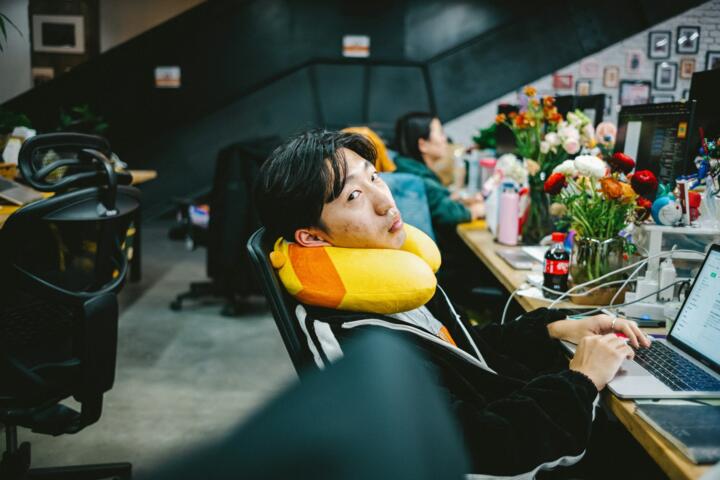
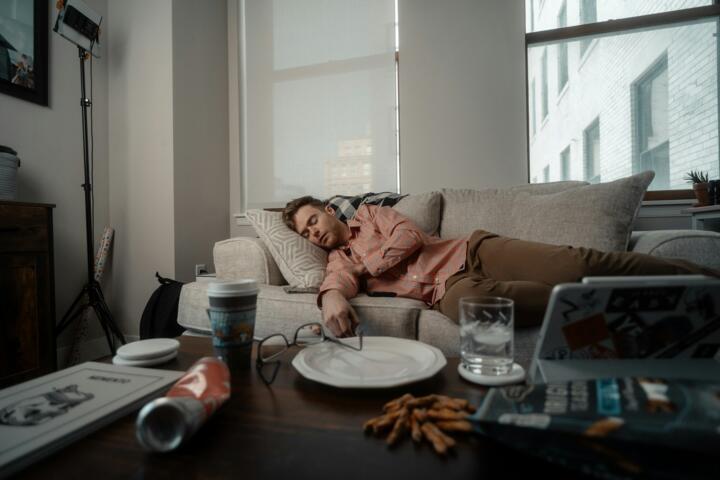
Most people blame laziness for the 2 p.m. crash. Sleep researchers and nutrition experts see something else: blood sugar swings, poor meal timing, dehydration, and nervous-system overload from nonstop screen time. New guidance around caffeine, protein intake, movement, and light exposure is changing how doctors talk about daytime fatigue. If your afternoons disappear into brain fog, cravings, or another cup of coffee that barely works anymore, the newer advice looks a lot different from the old “just sleep more” routine.
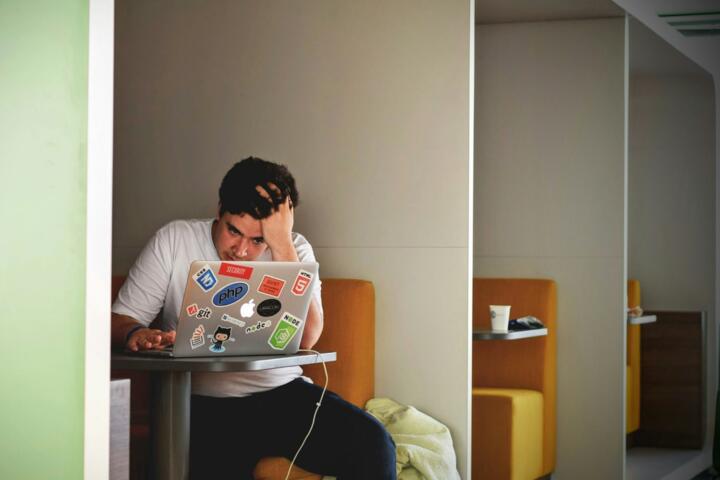
Stress used to look dramatic. Burnout meant breakdowns, missed work, maybe a doctor telling you to slow down. Now it looks ordinary. People answer emails at 10:43 p.m., scroll through “relaxing” videos while half-working, and call exhaustion productivity. Rest changed too. It stopped meaning recovery and started meaning optimization, tracking, routines, supplements, sleep scores. The shift happened quietly, then all at once.
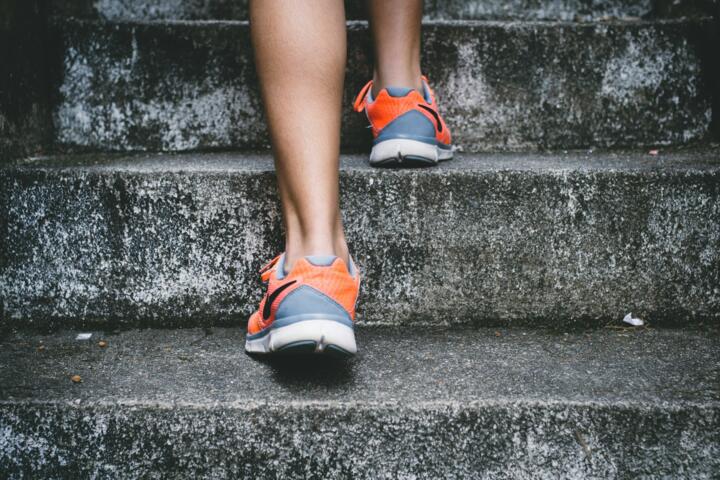
Fitness watches, phones, rings, and smart shoes now count nearly every step people take. The promise sounds simple: hit 10,000 steps and your health improves. The reality is messier. Research over the last decade shows that walking more does lower health risks, but the benefits do not begin or end at one magic number. For people trying to lose weight, improve heart health, or just survive desk-job stiffness, the data tells a more interesting story than most trackers advertise.