App-only deals are discounts and perks that require a specific mobile app, account login, and sometimes location or payment permissions. This matters to regular shoppers who want predictable pricing, privacy, and the option to buy without extra steps. This article explains how app-only offers work, what shoppers often lose, and how to compare them with store or online alternatives. You’ll also get checklists, realistic examples, and a short FAQ to help you decide case by case.
Refurbished items are showing up everywhere on major online stores, and it’s not hard to see why: prices are climbing, budgets are tighter, and more shoppers are willing to consider “like-new” alternatives. This article explains what refurbished really means, how these products end up back on the market, and why retailers are leaning into the trend. It also highlights the common traps - unclear grading, weak warranties, missing accessories, or questionable sellers - and shares straightforward tips to help you buy smarter. If you want solid electronics, appliances, or gadgets without paying full new-item prices, this guide will help you shop with confidence.
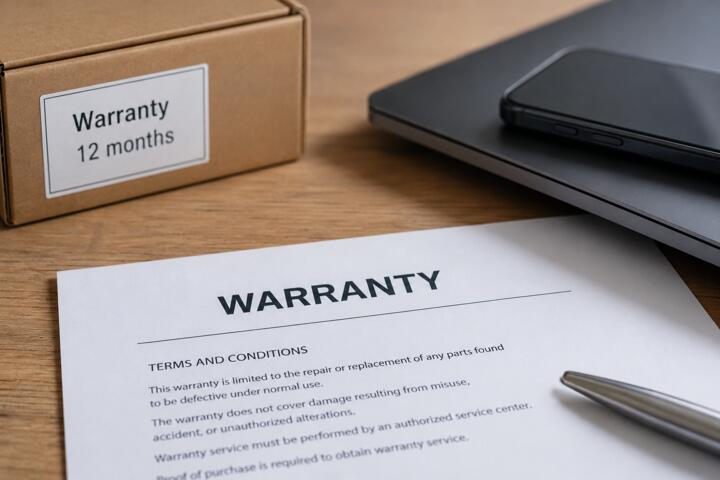
Product warranties are shrinking across electronics and appliances. Many brands now offer just 12-month coverage, while repair costs often exceed the item's depreciated value. This shift leaves buyers vulnerable as return windows tighten and service fees climb. Consequently, understanding warranty terms has become an essential buying skill rather than just fine print trivia. Knowing your rights is now key to protecting your purchases.
Retailers trained shoppers to expect free returns for almost two decades. Order three sizes, keep one, send the rest back - no penalty attached. That habit is colliding with higher shipping costs, tighter retail margins, and mountains of returned inventory. Stores are starting to charge return fees, shorten return windows, and block repeat returners. If you shop online more than a few times a month, the new rules will hit your wallet faster than you think.
Retailers no longer wait for holiday weekends to change prices. Airline tickets, sneakers, hotel rooms, electronics, and even groceries now move up and down by the hour as companies react to demand, inventory, weather, and your browsing behavior. That sounds frustrating until you understand the pattern. With the right timing, tools, and a little restraint, shoppers can cut hundreds off annual spending without chasing fake “limited-time” deals all day.
Fake reviews used to feel like background noise online. A few suspicious five-star ratings, a vague testimonial, maybe a product photo that looked stolen from another listing. Regulators are starting to treat the problem differently now. New rules from the Federal Trade Commission target paid reviews, hidden incentives, fake followers, and review suppression tactics that shape what shoppers see before they spend money.
Retailers learned something uncomfortable during the pandemic: people buy faster when they think products might disappear. Since then, “limited stock” warnings have spread across fashion sites, airline apps, hotel bookings, food delivery platforms, and even digital subscriptions. Some alerts reflect real inventory pressure. Others are carefully tuned psychological nudges designed to speed up decisions before shoppers stop to compare prices, read reviews, or simply walk away.
Missing packages used to end with a shrug and a customer service loop. Now carriers, retailers, and payment companies face tighter pressure around refunds, delivery proof, and dispute handling. If you shop online even a few times a month, the new rules change how quickly you can recover money, who carries responsibility, and what evidence actually matters when a box disappears between a warehouse scan and your front porch.