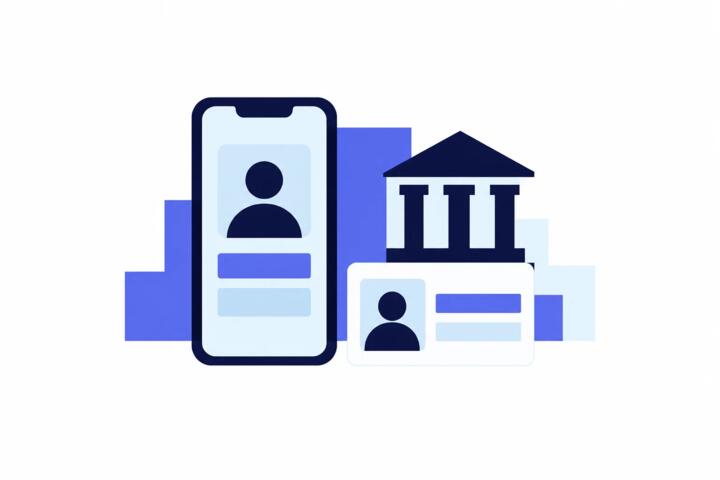
Banks may now accept a mobile driver's license when you open an account, but only if they choose to. FinCEN and staff of the federal banking agencies said on September 8, 2026 that a state-issued mobile ID can count as government ID for opening a bank or credit union account, more than a year after regulators let banks get Social Security numbers from third-party sources instead of from customers. The four facts every bank must collect have not changed, and FinCEN has pointed banks toward live audio and video checks as AI-made fake IDs spread. Here is what to have ready, how a real bank call differs from an impersonator's, and what to do when online verification fails.
A CFPB late-fee review and an $8 cap bill are pending, but no federal late-fee rule has changed yet. The Bureau's request for information on late fees has been with the White House budget office since July 6, 2026, and a Senate bill to write an $8 cap into law has sat in committee since January. This piece dates each step since the 2024 cap was struck down, lays out the federal limits that apply today, explains why the exact safe-harbor dollar amounts are less settled than most guides suggest, covers the payment-timing rules (including the 5 p.m. cutoff, the weekend mail rule and the 60-day trigger for a penalty rate), and runs a $3,000 balance through four late-payment scenarios to show what each one costs over a year.
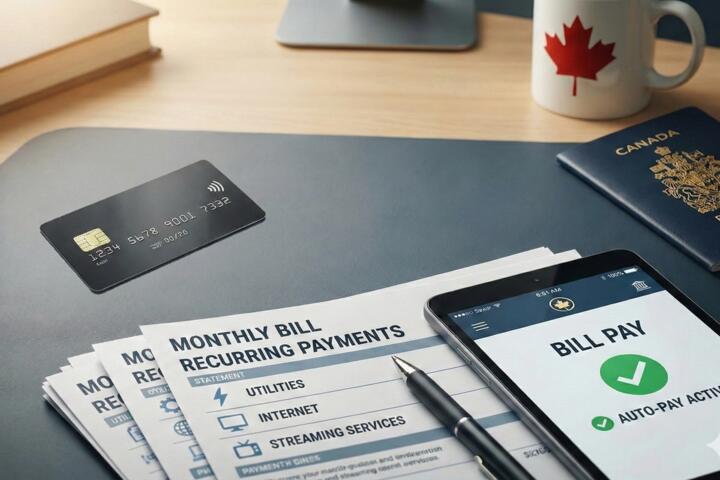
Paper checks are fading from bill paying as more providers shift to ACH, card payments, and online portals. This guide explains what changes for households, how payment timing and errors work, and what to check before switching. You’ll learn how ACH debits differ from checks, how to spot scams tied to “payment updates,” and how to set up safer bill pay using common tools. The article also covers practical steps, realistic timelines, and common mistakes.
If you’ve ever watched the interest rate on your savings account jump up one month and drop the next, it can feel random- but it usually isn’t. Savings rates move with broader economic forces like central bank policy, inflation expectations, competition between banks, and how expensive it is for lenders to get money. This article explains those moving parts in plain language so you can understand what’s really driving the changes. It also clears up common misconceptions (for example, why “high-yield” doesn’t always stay high), and shares practical ways to take advantage of shifting rates - such as comparing account terms, watching for teaser offers, and deciding when to switch banks - so your cash can earn more without adding unnecessary risk or hassle.
Some states are tightening payday loan caps as federal enforcement eases, so your state sets your protection. Rhode Island's 36% APR cap takes effect January 1, 2027, but the CFPB has stepped back from enforcing its own payday rule and has listed it for reconsideration, so protection now depends mostly on where you live and who your lender is. This explainer sets out what tightened and what loosened since 2020, with dates, and compares Illinois, Colorado, Minnesota, Rhode Island and Florida. It recomputes what a $400 loan costs when rolled over four times ($300 in fees, $400 still owed), compares it with a credit union payday alternative loan, and walks through stopping automatic withdrawals under federal rules.
A $3.99 early-pay fee can equal a 208% APR, yet apps repaid through payroll don't have to show you that rate. Since December 2025, the CFPB has said earned wage access that meets four conditions, including repayment through a payroll deduction rather than a bank debit, is not credit under federal lending law. In September 2026 a House committee sent the full House a bill that would exempt early pay from the Truth in Lending Act altogether. This explainer covers how employer-integrated and direct-to-consumer apps differ, how to turn a flat fee into an annual rate, which states cap fees, require a free option or ban tips, what New York alleged against two providers, and the questions to put to HR before your first draw.
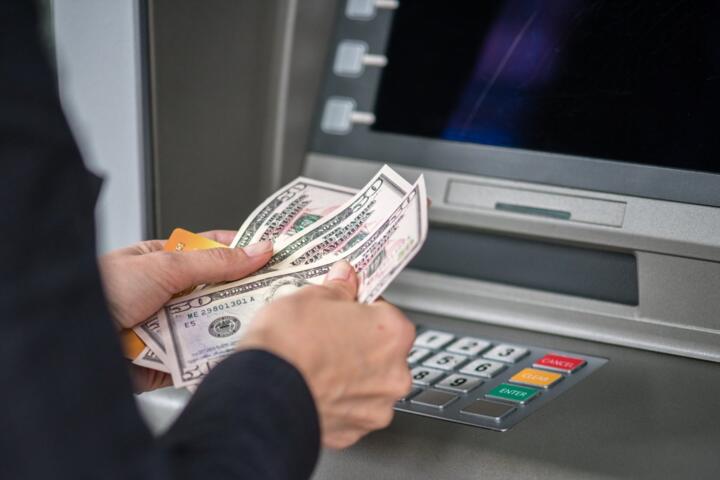
ATM fees have gotten expensive enough to feel like a penalty for needing your own cash. If you’ve ever grabbed money in a hurry and then noticed an extra charge (or two) afterward, this guide is for you. We’ll explain how ATM fees are actually built - what your bank charges, what the ATM owner adds, and when those costs stack up. You’ll see the most common slip-ups that trigger fees and the simple habits that prevent them. From choosing accounts that reimburse charges to timing withdrawals and using in-network machines, you’ll walk away with practical, proven ways to keep more of your money where it belongs: with you.
Buy-now-pay-later services like Klarna, Afterpay, Affirm, and PayPal Pay Later are no longer sitting outside the credit system. Lenders and bureaus are pulling them in, turning split payments into reportable debt behavior. That shift changes how approvals, credit scores, and borrowing limits work for millions of users. If you rely on short-term installment plans at checkout, your financial profile may already look different than you expect.
Nearly 70% of US Visa in-store payments are now taps, yet no national cap sets when a tap needs a PIN. Unlike the UK or the EU, the US has no single dollar limit for contactless cards. Visa's rules let US merchants skip verification at any amount, and every tap goes to your bank for approval. So the prompts you see come from your bank's risk checks, the store's terminal settings or a debit PIN preference. The article explains each one, works through an illustrative $120 grocery tap, shows how phone and watch wallets verify you differently, explains how New York's $35 OMNY fare cap counts taps per card or device, and compares labeled limits in the EU, the UK and Canada.
Paying your card in full does not stop a high balance from reaching your credit report, and limits can be cut. The national average FICO Score sat at 714 in FICO's August 2026 report, but averages hide the people whose scores fell for reasons they never saw coming. This explainer shows why a card paid in full can still report a high share of its limit, what card issuers must and need not tell you when they cut a limit, how resumed student loan delinquency reporting has hit borrowers, where medical collections stand after the CFPB rule was struck down, and how to check reports and dispute errors before a mortgage or car loan application.